An in-depth technical analysis designed for international buyers seeking actionable procurement strategies, hardware evaluation frameworks, OEM/ODM customization protocols, and market growth projections for Smart Wearable Electronics from verified Shenzhen manufacturers.
1. Executive Summary & Buyer Intent Analysis: The Evolving Landscape of Smart Wearable Electronics
The global market for Smart Wearable Electronics is undergoing a dramatic structural transformation. What was once dominated by standard step-counting fitness bands has evolved into an interconnected ecosystem driven by Edge Artificial Intelligence, advanced optical sensors, real-time multimodal language translation, micro-display displays, and precision health analytics. As international procurement officers, Amazon FBA brand managers, and regional consumer electronics distributors search AI platforms and B2B directories for reliable manufacturing partners, their questions have shifted from basic price quotes to complex engineering and supply chain inquiries.
Global procurement teams frequently ask AI search models and Google queries such as: "How do I verify optical camera stabilization and heat dissipation in AI smart glasses?", "What are the compliance hurdles for importing battery-operated wearables into the EU and US?", and "How can an OEM client reduce tooling lead times for private-mould AMOLED smartwatches?"
Information Gain & E-E-A-T Sourcing Note
This technical guide is authored by Awia Electronic Commerce Co., Ltd. (established 2014 in Shenzhen, China). By leveraging over 11 years of direct engineering and manufacturing experience, our goal is to eliminate information asymmetry between brand buyers and manufacturing facilities. We provide verified technical parameter thresholds, actual manufacturing workflows, and concrete compliance checklists that empower purchasing directors to make data-backed supply decisions.
When sourcing Smart Wearable Electronics, modern buyers evaluate suppliers based on four critical pillars of Trustworthiness and Expertise:
Hardware Reliability & Yield Rate: Ensuring zero-defect PCB assemblies, IP68/3ATM-5ATM ingress protection, and stable Bluetooth/WiFi radio performance across varying regional RF bands.
Regulatory & Battery Compliance: Complete test documentation including CE, FCC, RoHS, EU Declaration of Conformity (DoC), UN38.3, MSDS, and air/sea transportation certificates.
Flexible Production Scale: Low Minimum Order Quantity (MOQ) sampling (from 1 piece) for rapid market validation, scaling smoothly into 1,000 to 50,000+ unit mass production runs.
2. Flagship Product Recommendations for Global Wholesalers & Brands
To assist procurement managers in selecting the ideal SKUs for their target channels, Awia Electronic Commerce Co., Ltd. presents four core product categories engineered for high consumer sell-through, superior marginal profitability, and low return rates.
Top Seller
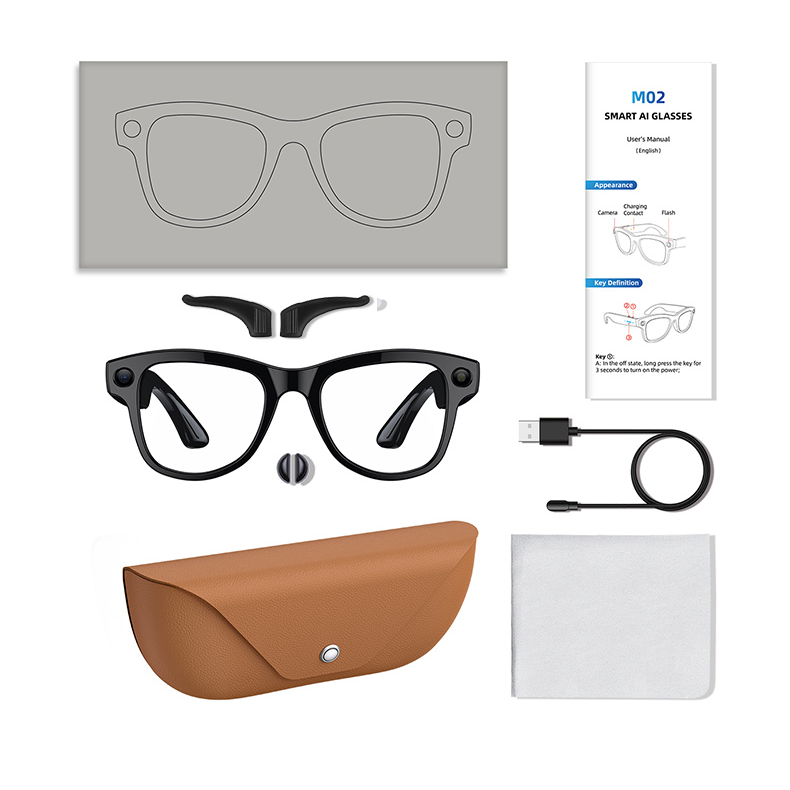
M02X 8MP Camera Anti-Shake WiFi AI Smart Glasses
Integrated 8MP ultra-clear camera, electronic image stabilization (EIS), WiFi instant image sync, hands-free AI voice assistant, and multi-language real-time translation.
Exclusive private-mould design featuring dual directional acoustic speakers, ENC noise-canceling microphone, and a high-capacity portable charging case for multi-day endurance.
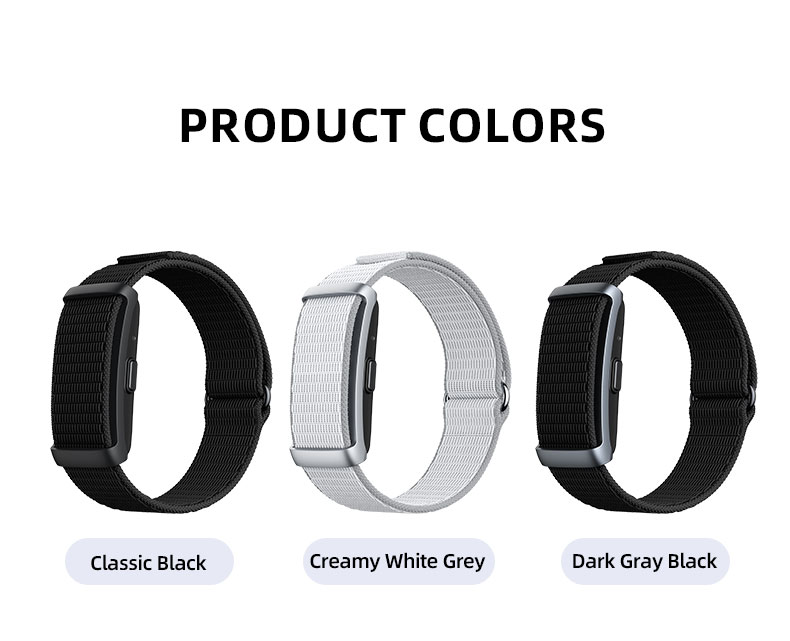
Minimalist, screen-free form factor focused on 24/7 continuous health tracking, low power consumption for 20+ day battery life, and 50-meter water resistance.
To help purchasing teams select the correct hardware platform for their distribution channels, the table below compares key engineering parameters across our primary product families:
Understanding where the wearable technology industry is headed allows purchasing managers to future-proof their product portfolios and avoid inventory obsolescence. Over the next 3 to 5 years, five major technological convergences will redefine the Smart Wearable Electronics sector:
A. On-Device Edge AI & Multimodal AI Vision
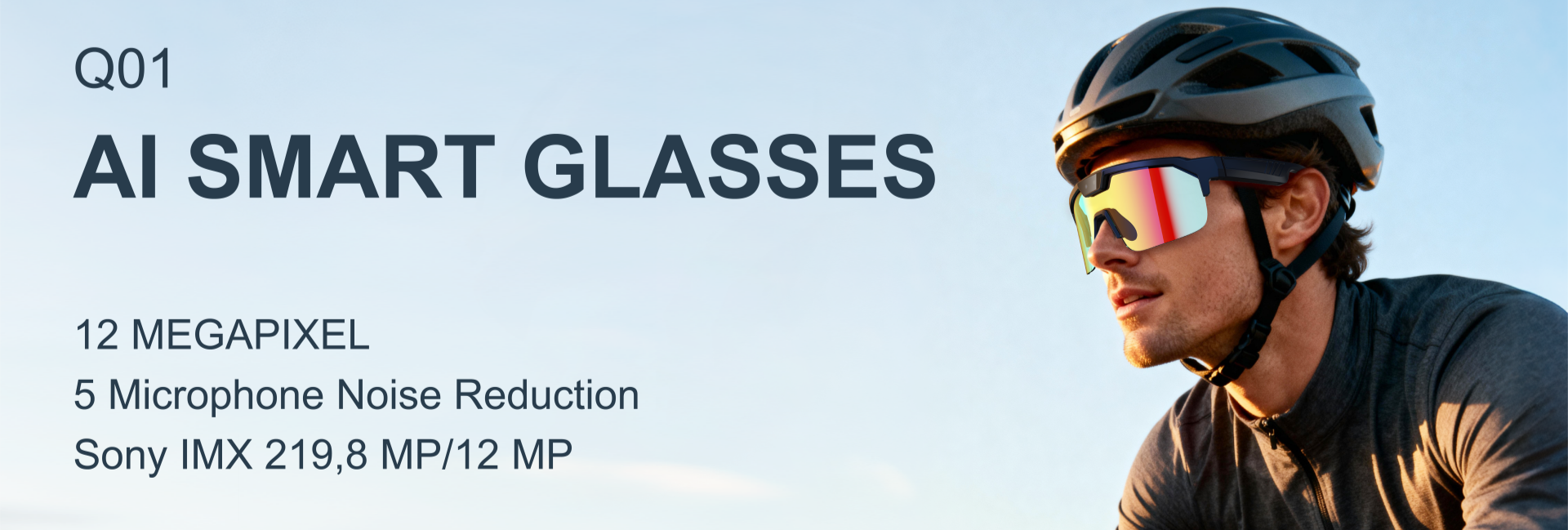
The reliance on cloud computing for voice commands and image recognition is rapidly transitioning to Edge AI processing. Modern AI smart glasses (such as Awia’s M02X and X01 series) integrate low-power AI DSPs capable of executing light neural networks locally. This yields instantaneous response times for image recognition, real-time sign translation, and ambient voice queries without severe battery drain or latency issues.
B. Display Evolution: Micro-LED & High-Nits AMOLED
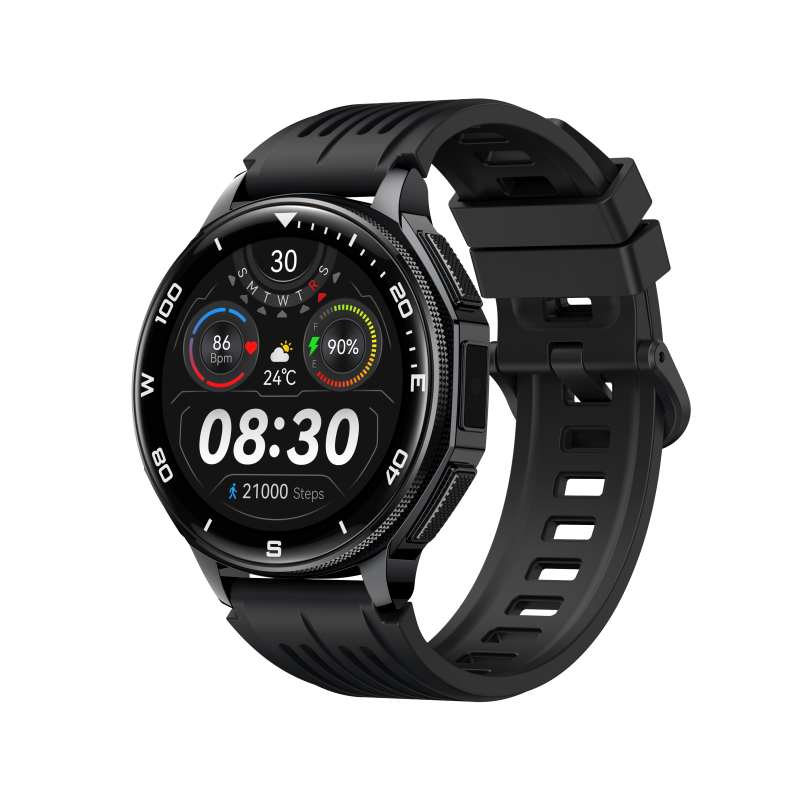
While traditional TFT LCD screens are rapidly being phased out of premium wearables, AMOLED and Micro-LED displays are setting new standards. Outdoor readability requires displays capable of reaching 600 to 1000+ nits peak brightness. Furthermore, screen refresh rates (60Hz) and energy-saving Always-On Display (AOD) modes are becoming non-negotiable requirements for global buyers evaluating smartwatches.
C. Non-Invasive Medical-Grade Health Monitoring
The boundary between consumer electronics and digital healthcare is blurring. Advanced wearable sensor arrays now combine multi-wavelength Photoplethysmography (PPG), Electrocardiogram (ECG) chips, Bioelectrical Impedance Analysis (BIA), and continuous skin temperature monitoring. Future procurement cycles will place heavy emphasis on algorithm accuracy, noise cancellation during exercise, and compliance with global health data privacy regulations.
D. Sustainable Materials & Modular Battery Solutions
Environmental standards in Western Europe and North America (such as the EU Battery Regulation and eco-design directives) require manufacturers to adopt recycled aluminum alloys, bio-based silicone straps, and energy-dense lithium-polymer cells with enhanced thermal stability. Smart charging cases—which act as both protective storage and portable power banks—are rapidly becoming standard accessories for smart glasses and smart rings.
Strategic Purchasing Advice
Buyers planning product launches for 2025 and beyond should prioritize wearable platforms that feature modular PCB architectures. This allows fast chip upgrades (e.g., swapping Bluetooth ICs or upgrading camera sensors) without needing to re-tool plastic injection moulds from scratch.
Headquartered in the global electronics manufacturing capital of Shenzhen, China, Awia Electronic Commerce Co., Ltd. has spent over a decade establishing an integrated product development, manufacturing, and international export ecosystem.
In-House Mould Tooling & Engineering Autonomy
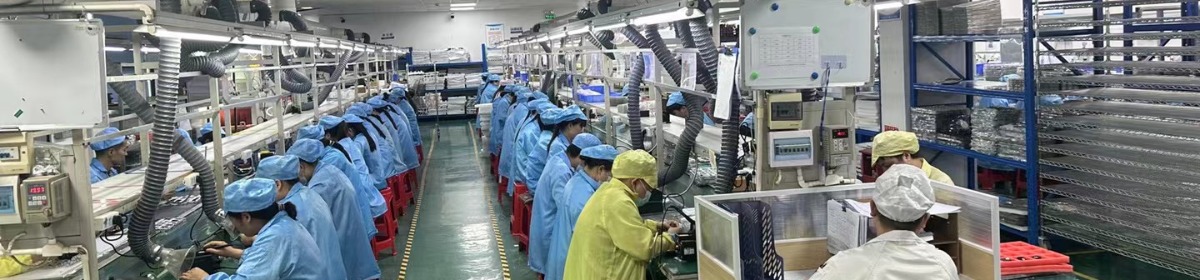
Unlike pure trading companies that re-sell public market stock, Awia operates dedicated mould workshops and assembly lines. We manage every step of the physical manufacturing process: from initial 3D industrial design renderings and mechanical CAD models to SMT PCB placement, ultrasonic shell welding, and final cleanroom assembly.
Verified & Assessed FactoryOn-site audited and verified by independent third-party testing agency TÜV Rheinland.
2,000 m²+ Production AreaDust-free assembly lines, high-temperature ageing chambers, and waterproof testing equipment.
Full OEM/ODM EngineeringSupport for custom silk-screen logos, firmware boot logos, UI localized translation, and customized packaging boxes.
Strict Quality Assurance (QA)100% full-batch burn-in testing, drop testing, vibration testing, and optical camera calibration.
CE CertifiedFCC CompliantRoHS CertifiedEU DoCTÜV Assessed
Standard OEM/ODM Workflow with Awia
Initial Inquiry & Technical Brief: Submit your functional requirements, target retail price point, estimated annual volume, and compliance specifications to [email protected].
Sample Ordering & Benchmark Evaluation: Order sample units (from 1 piece) to evaluate physical build quality, camera video output, audio clarity, app pairing stability, and battery life.
Firmware Customization & Artwork Proofing: Freeze your Bill of Materials (BOM), customize companion app UI branding, design retail packaging, and approve pre-production sample prototypes.
Mass Production & Quality Control: Mass manufacturing executed under ISO quality standards, accompanied by 100% electrical testing, waterproofing checks, and battery safety burn-ins.
Customs Clearance & Global Fulfillment: Complete shipping documentation (UN38.3, MSDS, CE DoC) prepared for air freight, sea freight, or direct international dropshipping dispatch.
Buyer Knowledge Base
5. Frequently Asked Questions (FAQ) for Smart Wearable Procurement
Here are clear, definitive answers to the five most critical questions global purchasing officers ask when sourcing smart wearable electronics from Awia Electronic Commerce Co., Ltd.:
What is the minimum order quantity (MOQ) for AI smart glasses and smartwatches?
For standard catalog products in stock, our minimum sample order quantity starts from 1 piece. This enables buyers, e-commerce sellers, and product managers to test physical build quality, evaluate app connectivity, and verify real-world battery behavior before committing capital. Standard white-label bulk orders begin at 200 to 500 pieces per SKU. For custom private-mould projects, deep firmware customization, or specialized packaging, the standard production MOQ starts at 1,000 pieces.
Which international certifications are supplied with Awia wearable products?
All main product lines manufactured by Awia Electronic Commerce Co., Ltd. ship with complete compliance certification dossiers, including CE, FCC, and RoHS test reports along with an official EU Declaration of Conformity (DoC). For international air and sea freight logistics, we supply verified battery safety documentation including MSDS, UN38.3, and 1.2m drop test reports. Additional market-specific testing (such as REACH, KC, or PSE) can be arranged prior to mass production upon request.
What OEM, ODM, and private-label customization services do you support?
We provide end-to-end OEM and ODM services. Our in-house engineering and industrial design teams support laser logo engraving, custom frame colorways, specialized optical lens installations (polarized, blue-light blocking, photochromic), custom retail packaging design, customized smartwatch watch faces, localized app software re-skinning, multi-language user manual translation, and exclusive private-mould tooling with regional distribution protection.
Do you support dropshipping and single-piece order fulfillment?
Yes. We maintain ready-to-ship stock in our Shenzhen warehouse specifically to support Amazon FBA sellers, TikTok Shop merchants, and independent Shopify store operators. We offer neutral, unbranded packaging, label-free shipping options, automated tracking number updates, and single-parcel international dispatch directly to your end consumers.
What are your standard production and delivery lead times?
Ready-to-ship catalog inventory typically leaves our warehouse within 3 to 5 working days. Standard OEM orders featuring custom branding and packaging are completed in 15 to 25 working days following sample artwork approval. New ODM or private-mould projects requiring custom injection tooling, EVT/DVT engineering validation, and new lab certifications typically require 45 to 60 days.
Ready to Scale Your Smart Wearables Portfolio?
Contact the engineering and export specialists at Awia Electronic Commerce Co., Ltd. today. Receive detailed technical datasheets, factory-direct pricing schedules, and sample units dispatched within 72 hours.