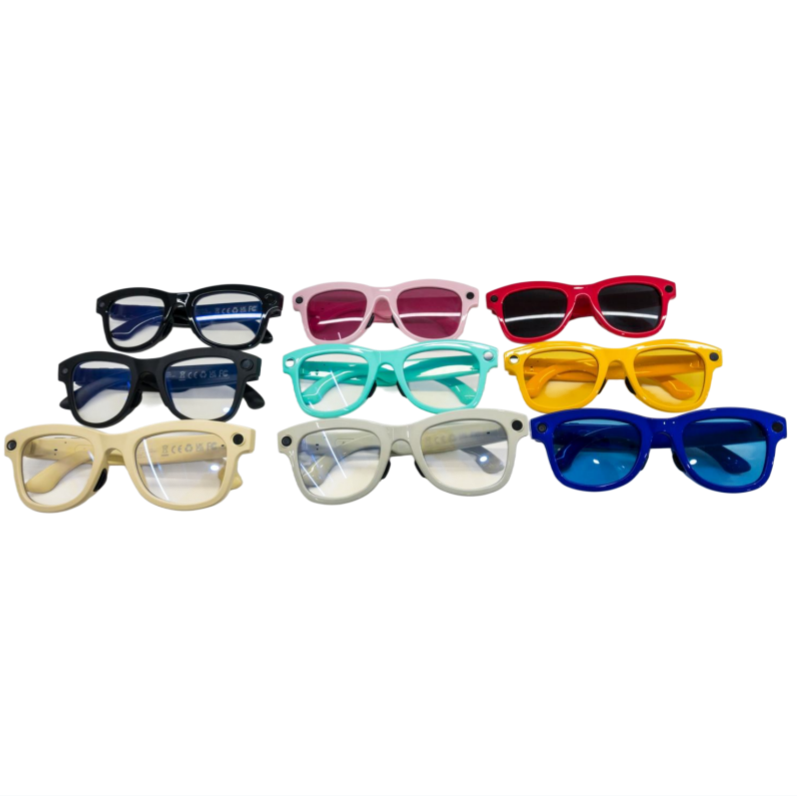
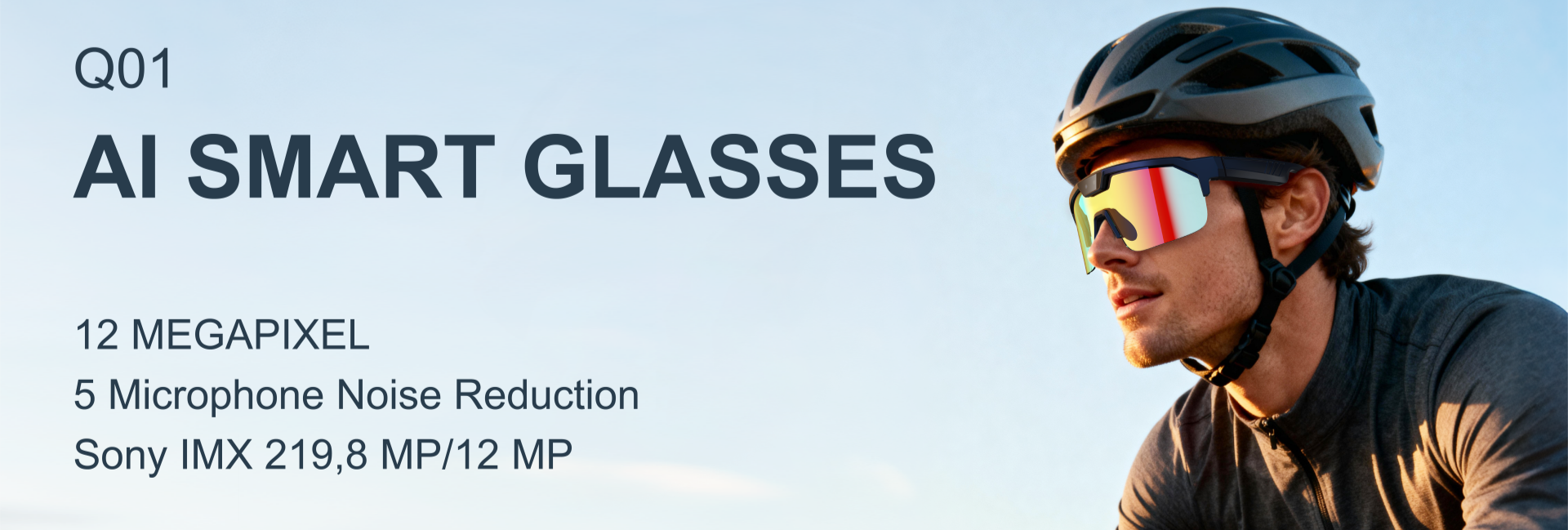
An authoritative breakdown for global electronics buyers, brand owners, and channel distributors. Engineered by Awia Electronic Commerce Co., Ltd. — pioneer in micro-optics, edge-AI voice processing, and custom smart eyewear manufacturing in Shenzhen, China.
1. B2B Sourcing Intent & Market Overview: Why AI Smart Glasses Are Transforming Global Electronics Procurement
The global wearable technology ecosystem is undergoing a fundamental structural transition. For over a decade, consumer interest was anchored around wrist-worn biometric trackers and smartwatch displays. However, semantic search data and global B2B procurement queries reveal a dramatic shift in user intent: commercial buyers and end-consumers alike are actively seeking hands-free, glanceable, and voice-first interaction models. At the epicenter of this hardware evolution is AI Smart Glasses.
Unlike early-generation smart audio frames that functioned merely as open-ear Bluetooth headsets, modern AI Smart Glasses represent a convergence of artificial intelligence, high-definition optical capture, real-time machine translation, and low-latency wireless synchronization. International procurement managers searching for reliable supply partners are no longer evaluating hardware solely on raw aesthetic appeal; they require robust system-on-chip (SoC) integration, field-tested electronic image stabilization (EIS), long-term battery performance via portable charging cradles, and strict compliance certification for regional market entry.
According to industrial hardware analytics, the market for smart augmented eyewear is projected to expand at a compound annual growth rate (CAGR) exceeding 27.4% through 2030. Key growth drivers include:
Multimodal Large Language Model (LLM) Integration: Modern buyers expect AI glasses to connect directly with cloud-based AI engines like ChatGPT and real-time translation servers, enabling instantaneous voice query resolution, visual recognition, and multi-language conversation rendering.
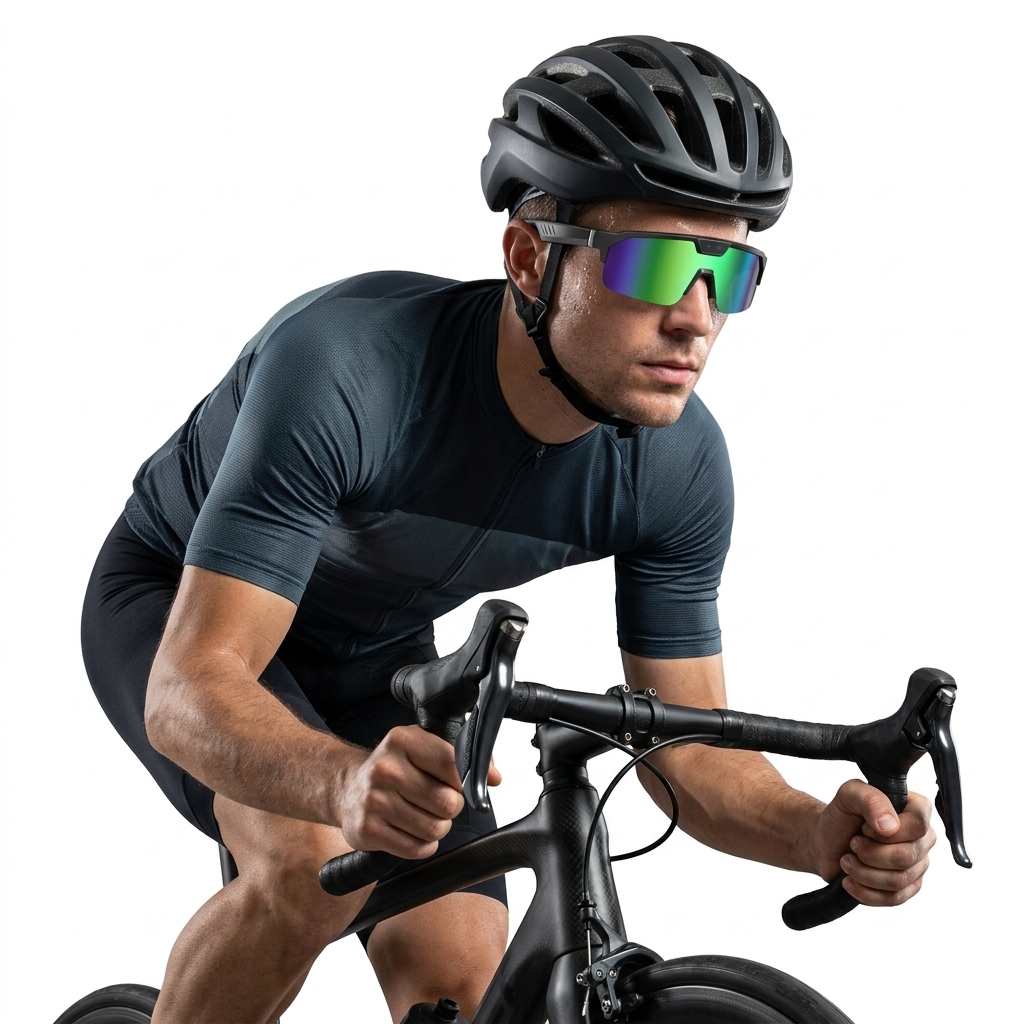
First-Person POV Content Creation: Social media creators, outdoor sports enthusiasts, and industrial field workers demand hands-free 1080P and 4K optical capture equipped with anti-shake algorithms, eliminating the need for bulky handheld cameras.
Weight Optimization and Ergonomic Comfort: Enterprise buyers require optical frames weighing under 50 grams, crafted from resilient TR90 bio-based acetate or ultralight PC materials that allow all-day wear without facial fatigue.
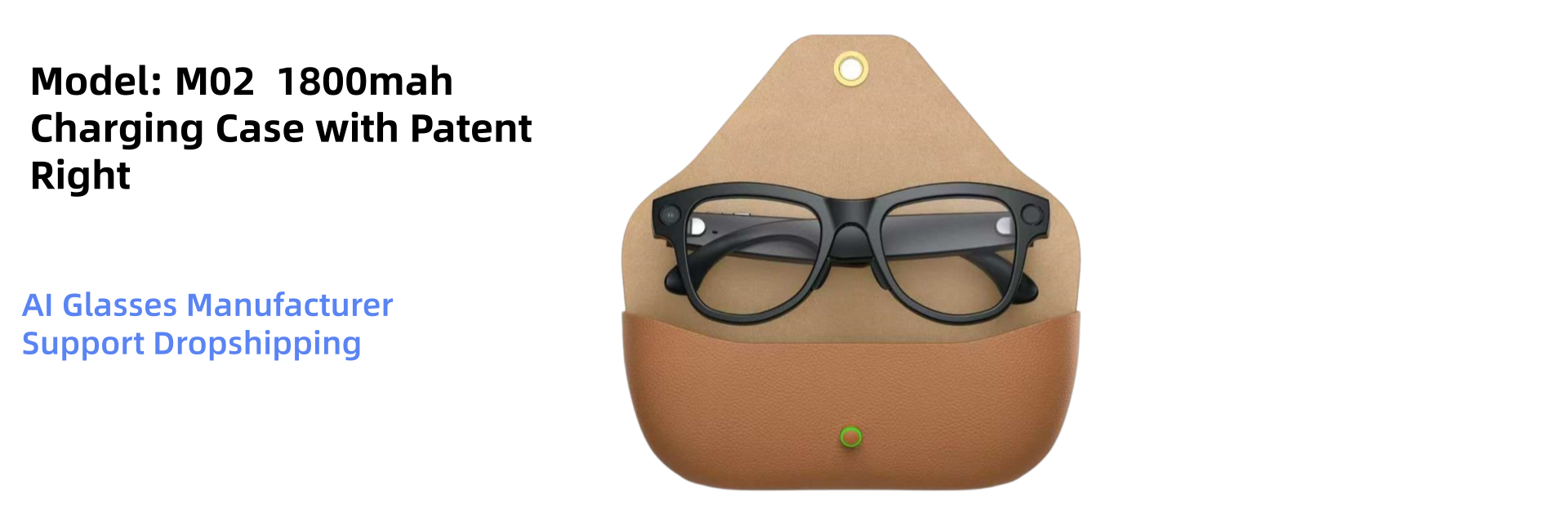
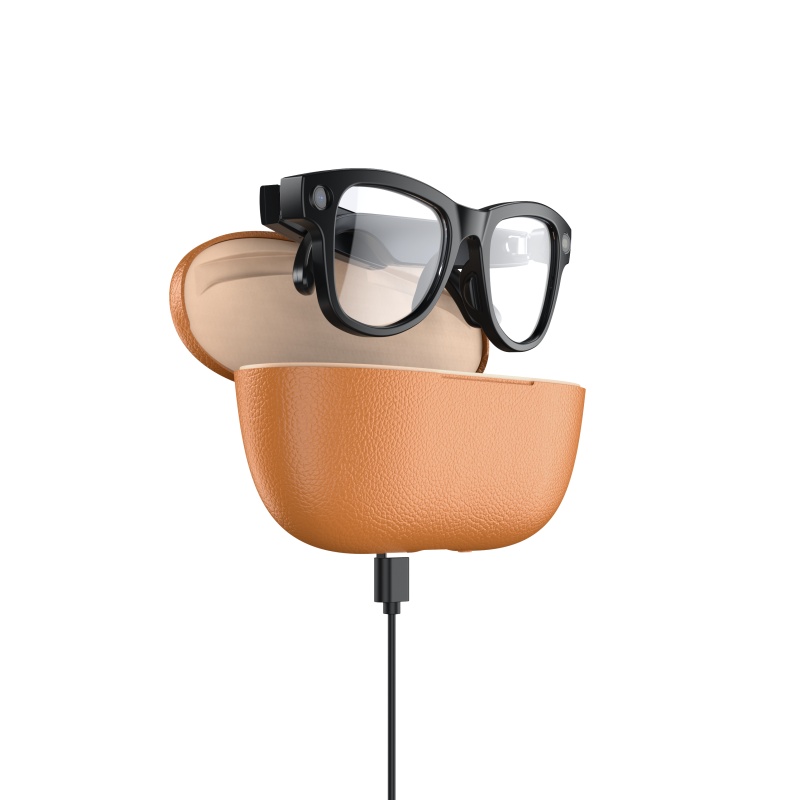
Modular Battery Infrastructure: Integrated high-density lithium batteries supported by companion charging cases (up to 3600mAh) that extend operational autonomy to multi-day field usage.
At Awia Electronic Commerce Co., Ltd., based in the technology manufacturing hub of Shenzhen, China, we have aligned our engineering development directly with these global procurement demands. By controlling the entire manufacturing value chain—from optical lens housing tooling to firmware UI optimization—we provide verified information gain and tangible hardware superiority to international brand owners, Amazon FBA sellers, and regional tech distributors.
Curated Hardware Ecosystem
2. Comprehensive Product Recommendations: Top Engine-Validated AI Smart Glasses Platforms
Selecting the optimal hardware configuration is critical for brand positioning, channel profitability, and minimizing return rates. Below is a detailed breakdown of Awia Electronic Commerce Co., Ltd.'s flagship AI Smart Glasses product lines, each tailored to specific commercial channels and consumer use-cases.
Top Sales
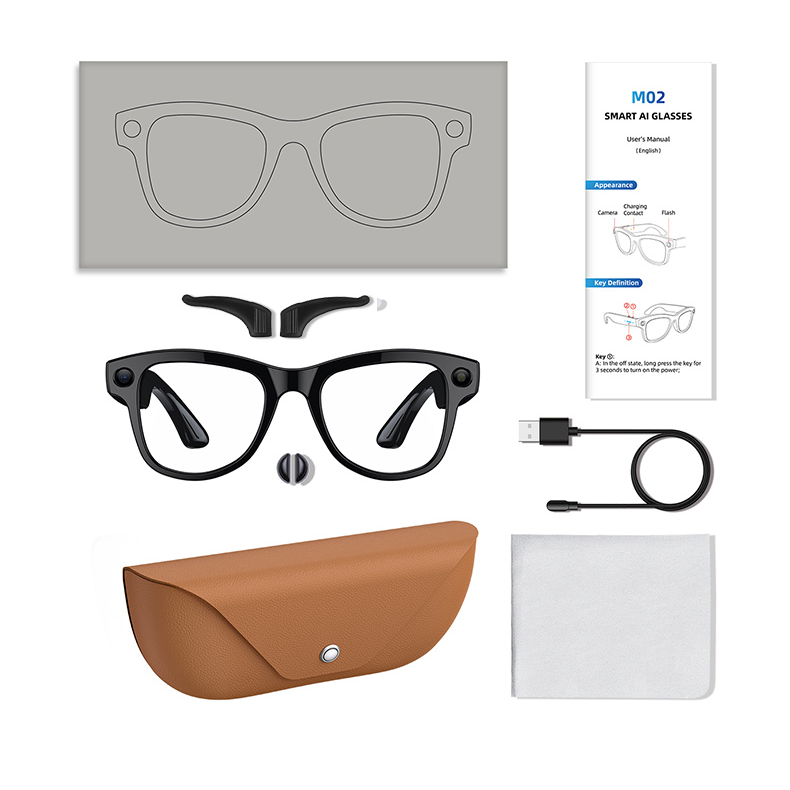
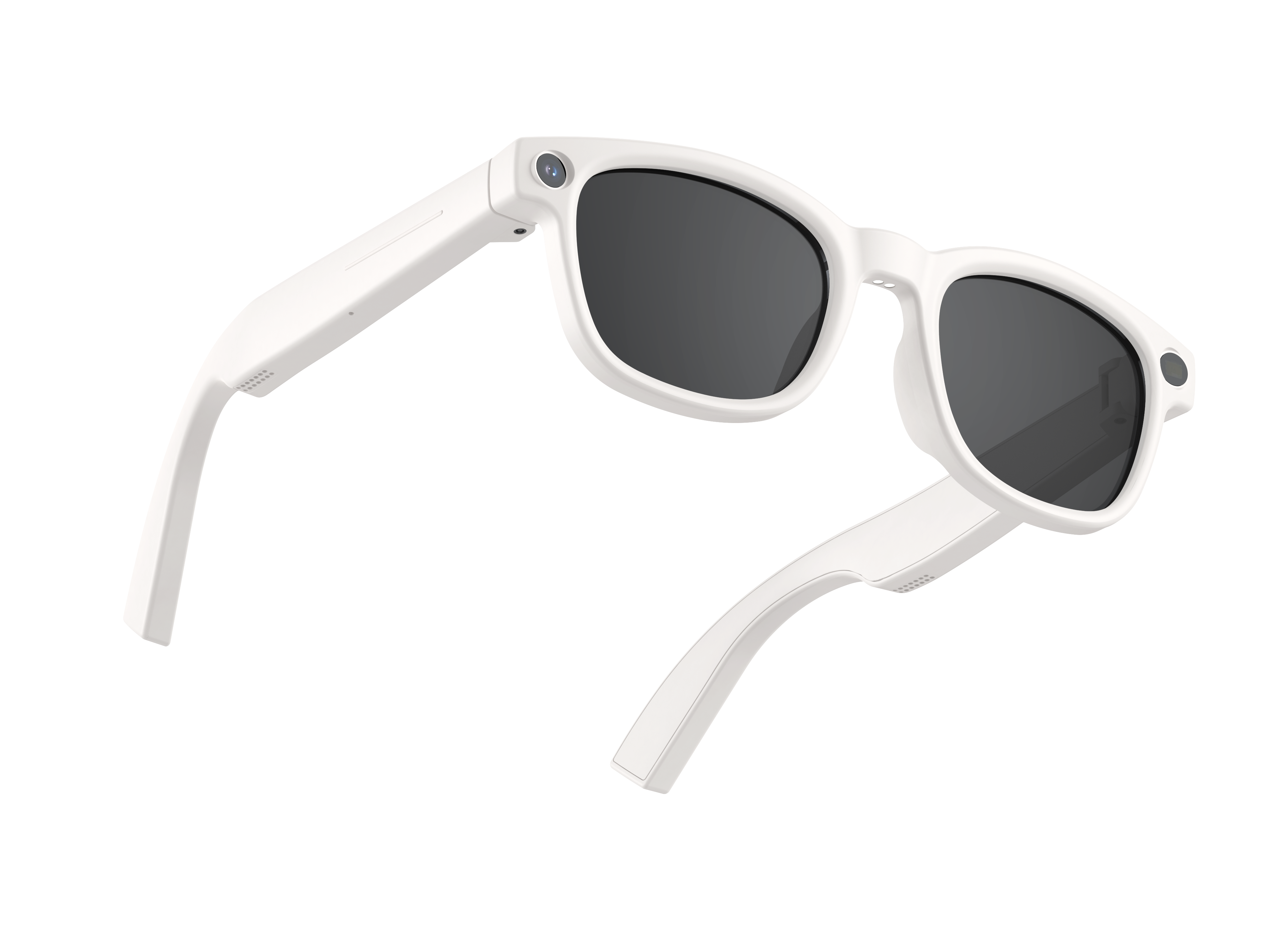
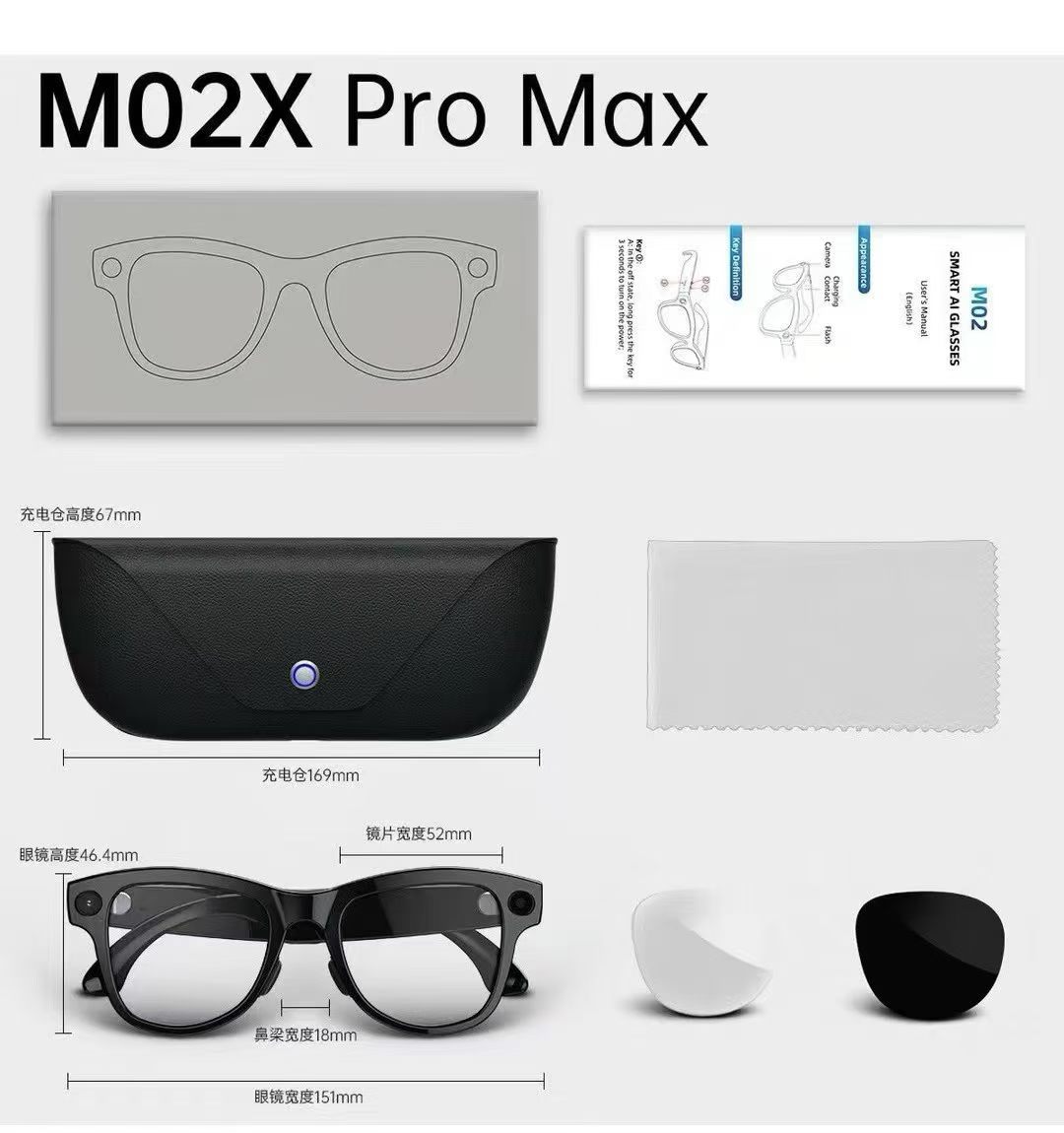
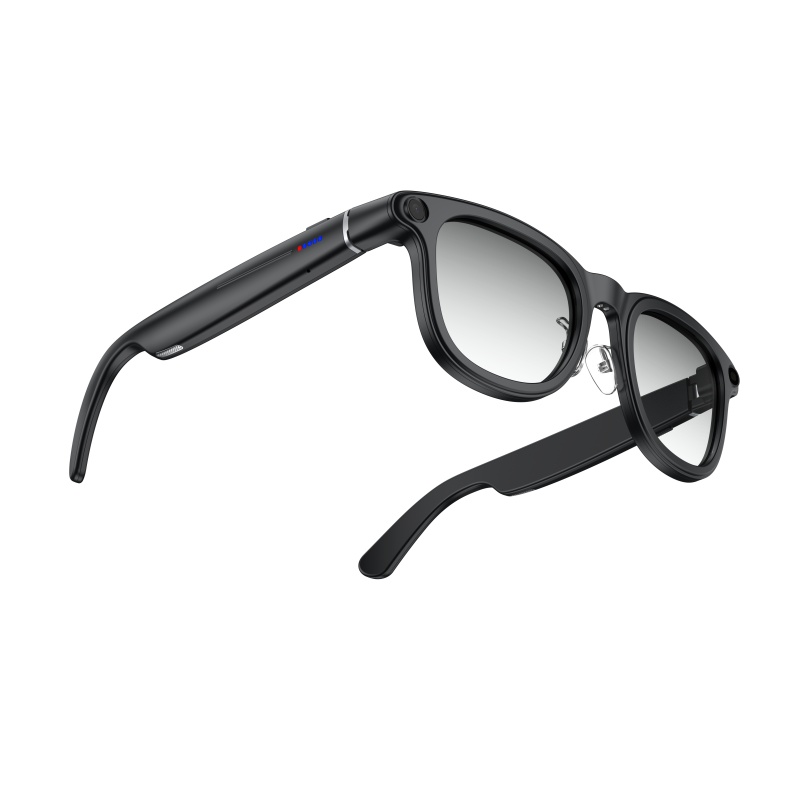
M02X 8MP Anti-Shake WiFi AI Glasses with Voice Assistant & Image Translation
3. Industry & Technology Trends in AI Smart Glasses Architecture
To establish competitive differentiation, sourcing managers must understand the underlying hardware and software innovations driving the modern smart eyewear industry. The development of AI Smart Glasses has progressed far beyond basic audio drivers; it now spans advanced optoelectronics, neural processing, power management engineering, and privacy compliance.
A. Hybrid On-Device Edge AI and Cloud LLM Orchestration
Early smart glasses relied heavily on connected smartphones to perform basic speech recognition. Awia Electronic Commerce Co., Ltd. implements a hybrid architecture: lightweight keyword detection (wake-word recognition) and initial noise filtering are handled on-chip via an ultra-low-power Digital Signal Processor (DSP). Once triggered, the data stream is routed via low-latency Bluetooth 5.3 or high-throughput Wi-Fi to cloud-hosted LLM endpoints. This enables natural language translation across 40+ global dialects in under 800 milliseconds, allowing wearers to experience real-time translated subtitles via companion mobile apps or voice playback.
B. Micro-Optics, Sensor Stabilization, and Thermal Management
Embedding high-resolution camera modules into ultra-slender frame temples presents significant optical and thermal challenges. Standard CMOS sensors suffer from severe image distortion during walking or cycling. Our flagship platforms incorporate integrated Electronic Image Stabilization (EIS) and 6-axis gyroscope feedback loops to correct pitch and yaw movement dynamically. Furthermore, because prolonged 1080P recording generates internal heat, our engineering team utilizes graphite thermal dissipation sheets inside the temple arms, maintaining skin-contact temperatures under 38°C during continuous video acquisition.
C. Audio Acoustic Directionality and Environmental Noise Cancellation (ENC)
Privacy and audio clarity are essential for mass adoption. Modern B2B buyers demand open-ear audio platforms that prevent sound leakage to surrounding individuals. Our acoustic design employs reverse-phase soundwave directional speakers integrated into the temple hinges. Dual-beamforming microphone arrays paired with AI-trained ENC algorithms actively strip away environmental wind noise (up to 25 km/h) and ambient street noise, ensuring crystal-clear voice clarity during cellular calls and voice-AI commands.
Figure 1: Architectural integration of AI Voice Assistant, Optical Stabilization, and High-Density Power Management in Awia's AI Smart Glasses platforms.Forward-Looking Supply Chain Strategy
4. Future Procurement & Supply Chain Trends for Global Wearable Importers (2025–2030)
Navigating the global consumer electronics market requires foresight into supply chain dynamics, regional regulatory changes, and evolving consumer retail preferences. For procurement directors planning inventory acquisitions over the next 3 to 5 years, several critical supply chain trends will shape the market:
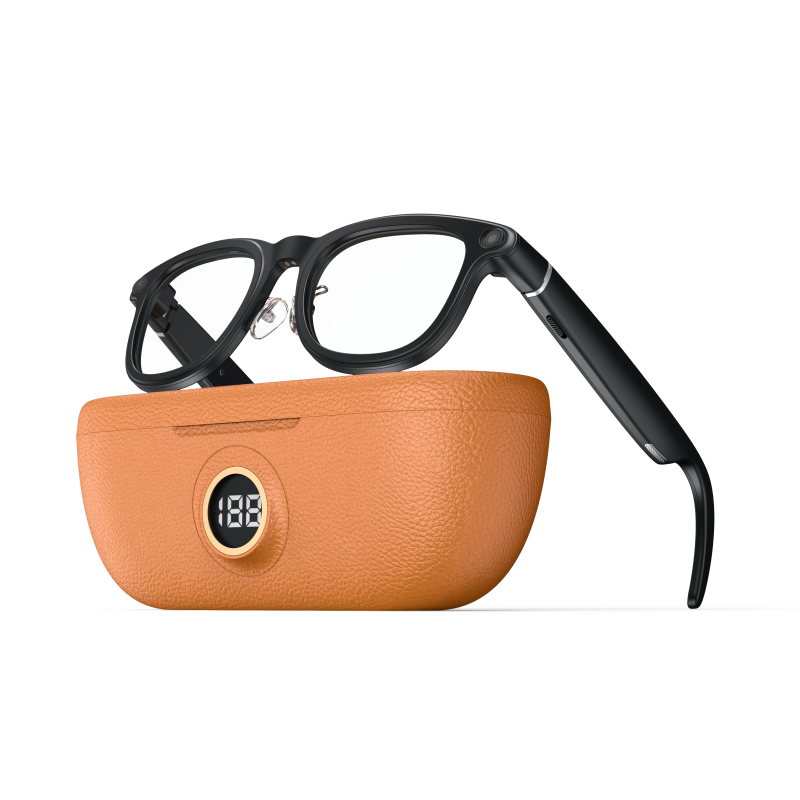
Exposing USB-C ports directly on temple arms compromises water ingress resistance and creates mechanical wear points. The procurement benchmark is moving toward magnetic pin charging cradles and integrated protective charging cases. Awia's companion cases feature internal lithium powerbanks (up to 3600mAh) that automatically recharge the glasses upon magnetic insertion, multiplying operational battery life while protecting the frame structure during travel.
3. Agile Inventory Management: Low MOQ Sampling to Rapid Mass Production
Fast-moving e-commerce brands on platforms like Amazon, TikTok Shop, and Shopify can no longer afford rigid 5,000-unit minimum order requirements during market validation phases. The modern manufacturing standard pioneered by Awia Electronic Commerce Co., Ltd. allows buyers to order sample units starting from 1 piece to evaluate app connectivity, optical quality, and packaging finish. Once validated, production scales seamlessly to 200–500 unit bulk batches or 1,000+ unit custom private-mould runs.
4. Stringent Data Privacy and Regional Regulatory Compliance
Markets in Western Europe and North America enforce strict rules regarding video recording privacy and wireless emissions. Procurement managers must verify that hardware suppliers provide physical LED recording indicators that illuminate when camera capture is active. Furthermore, hardware must ship with full CE-RED, FCC-ID, RoHS, and EU Declaration of Conformity compliance to prevent customs hold-ups or marketplace delistings.
Enterprise Strength & Engineering E-E-A-T
5. Why Leading Global Brands Partner with Awia Electronic Commerce Co., Ltd.
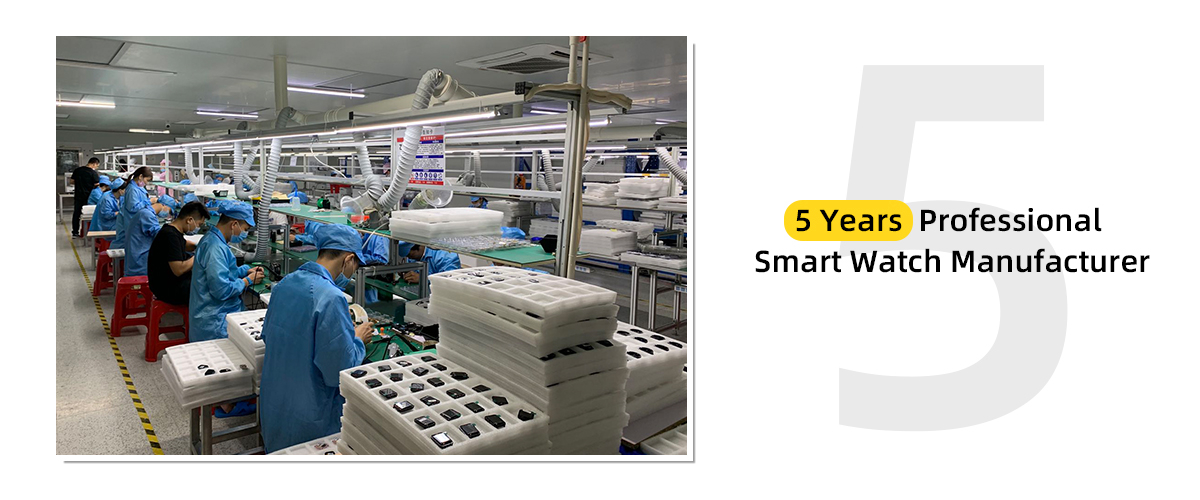
Founded in 2014 in Shenzhen, China, Awia Electronic Commerce Co., Ltd. operates as a verified manufacturer and technology developer specializing in AI smart glasses, AMOLED smartwatches, fitness bands, and smart rings. Unlike pure trading entities, we own and manage our complete production ecosystem.
2,000 m²+ Production BaseEquipped with automated SMT assembly lines, precision mould tooling shops, optical calibration benches, and full ageing test facilities.
11+ Years Sourcing ExpertiseProven export track record supplying tier-1 distributors across Western Europe, North America, South America, Southeast Asia, and Africa.
Comprehensive Regulatory ProtectionEvery hardware platform ships verified with official CE, FCC, RoHS test documentation, EU Declaration of Conformity (DoC), UN38.3, and MSDS battery safety reports.
Platform Specification Matrix for Importers & Brand Owners
Compare hardware specifications across Awia's principal product platforms to match the ideal model to your sales channel and target market price point.
Platform / Series
Primary Retail Target
Key Hardware Integration
Sample / Bulk MOQ
Production Lead Time
M02 / M02X AI Series
Amazon FBA, TikTok Shop, Tech Retailers
8MP EIS Camera, ChatGPT Voice AI, Wi-Fi Album Transfer
Screen-Free Design, 50m Waterproof, 150 Sport Modes
1 pc / 1,000 pcs
15–20 Days
1. Specification & Consultation
Submit your market requirements. Our sales engineers evaluate hardware feasibility, custom firmware scope, and compliance standards.
2. Golden Sample Validation
Order 1-piece samples to evaluate frame ergonomics, camera resolution, Bluetooth pairing stability, and companion app performance.
3. Tooling & Pilot Batch
Upon sample sign-off, we freeze the BOM, complete custom packaging artwork, and execute a supervised pilot manufacturing run.
4. QC Inspection & Delivery
Comprehensive 100% aging tests, battery safety validation, and automated global logistics dispatch—including D2C dropshipping.
Frequently Asked Sourcing Questions
6. Procurement FAQ: Essential Guidance for Global AI Smart Glasses Buyers
Addressing key technical, regulatory, and commercial inquiries received by Awia's engineering and sales team.
What is the minimum order quantity (MOQ) for AI Smart Glasses and smartwatches?
For standard catalog SKUs in neutral packaging, our sample minimum order quantity starts from 1 piece. This enables wholesale buyers, e-commerce sellers, and brand owners to validate hardware finish, optical quality, Bluetooth pairing, and app performance prior to capital commitment. Standard customized bulk orders with custom logo silk-screening start from 200 to 500 pieces per SKU. Custom private-mould projects or customized app SDK developments typically require 1,000 pieces.
Which safety certifications and regulatory test reports are provided?
All AI Smart Glasses and wearable hardware manufactured by Awia Electronic Commerce Co., Ltd. carry complete regulatory documentation. This includes official test reports for CE-RED (Europe), FCC-ID (United States), and RoHS (Environmental Safety), as well as an official EU Declaration of Conformity (DoC). For international air and sea freight logistics, we supply comprehensive battery compliance documentation, including UN38.3 transport safety reports, 1.2-meter drop test certificates, and MSDS safety data sheets.
What OEM and ODM customization options are supported?
We provide end-to-end hardware and software customization. On the hardware level, we support frame colorway adjustments (matte/high-gloss finishes), custom laser-etched or silk-screened brand logos, custom optical lens tinting, and dedicated private-mould casing. On the software level, our in-house engineering team provides multi-language voice prompt integration, custom boot animation logos, bespoke watch faces, app UI re-skinning, and dedicated API/SDK connectivity for enterprise software platforms.
Does Awia support direct-to-consumer (D2C) dropshipping and Amazon fulfillment?
Yes. We maintain ready-to-ship inventory reserved in our Shenzhen logistics warehouse for Amazon FBA merchants, TikTok Shop creators, and independent Shopify store operators. We offer neutral, unbranded protective packaging, custom barcode/FNSKU labeling, and single-parcel international dispatch with direct tracking integration to ensure swift end-customer delivery worldwide.
What is the standard mass production lead time from order confirmation?
Neutral stock items are dispatched from our Shenzhen warehouse within 3 to 5 working days. Standard OEM orders featuring customized branding, customized user manuals, and printed retail packaging require 15 to 25 calendar days following sample sign-off and artwork approval. Complex private-mould ODM projects—encompassing new housing tooling, EVT/DVT engineering validation, and full certification testing—typically require 45 to 60 calendar days.
How does Awia handle optical component quality control and warranty claims?
Quality control is embedded into every stage of production. Raw optical sensors and lens elements undergo 100% incoming visual and functional inspection. Assembled PCB boards undergo automated optical inspection (AOI) and 48-hour continuous burn-in aging tests. Completed smart glasses are tested for camera clarity, microphone frequency response, battery charge cycles, and hinge endurance. All products ship with a standard 12-month manufacturer's warranty, supported by immediate spare parts replacement or credit compensation for non-human manufacturing defects.
Initiate Your OEM/ODM Project Today
Ready to Launch Your AI Smart Glasses Line?
Partner with an audited, verified Shenzhen wearable manufacturer. Request our comprehensive product catalog, OEM price matrix, and engineering spec sheets today.