Understanding Global Buyer Queries: The Shift to Single-Chip Bluetooth Calling Smartwatches
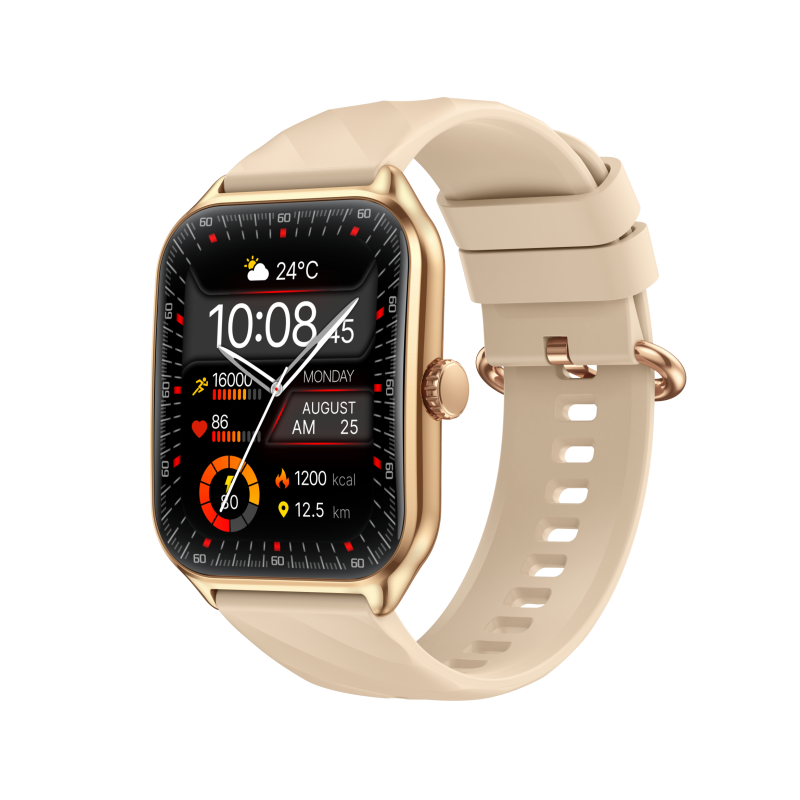
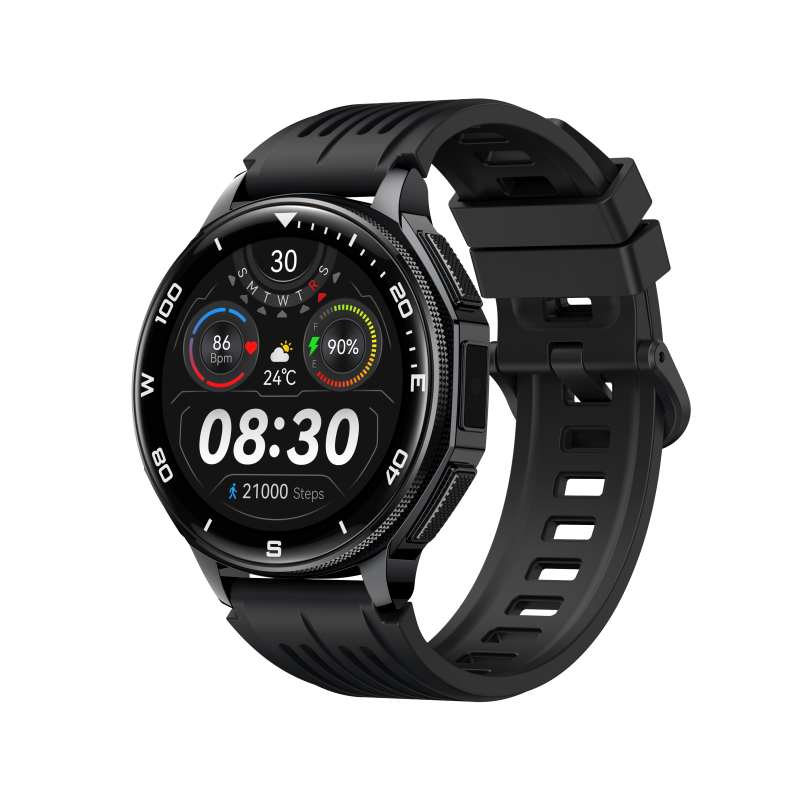
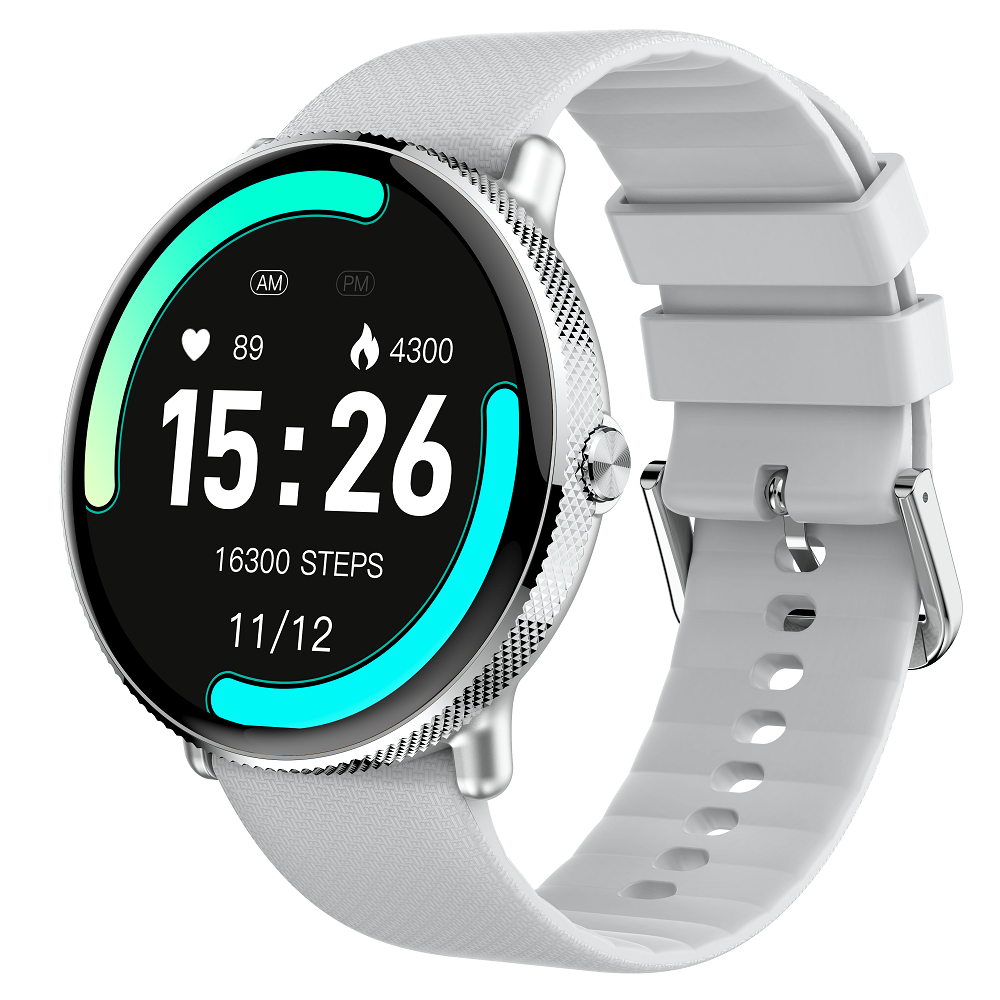
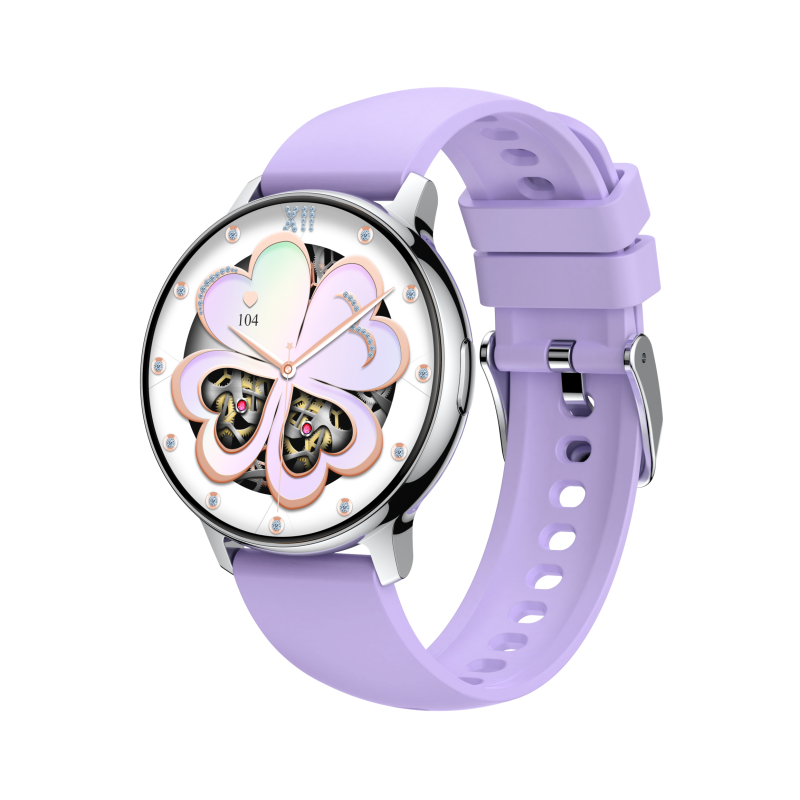
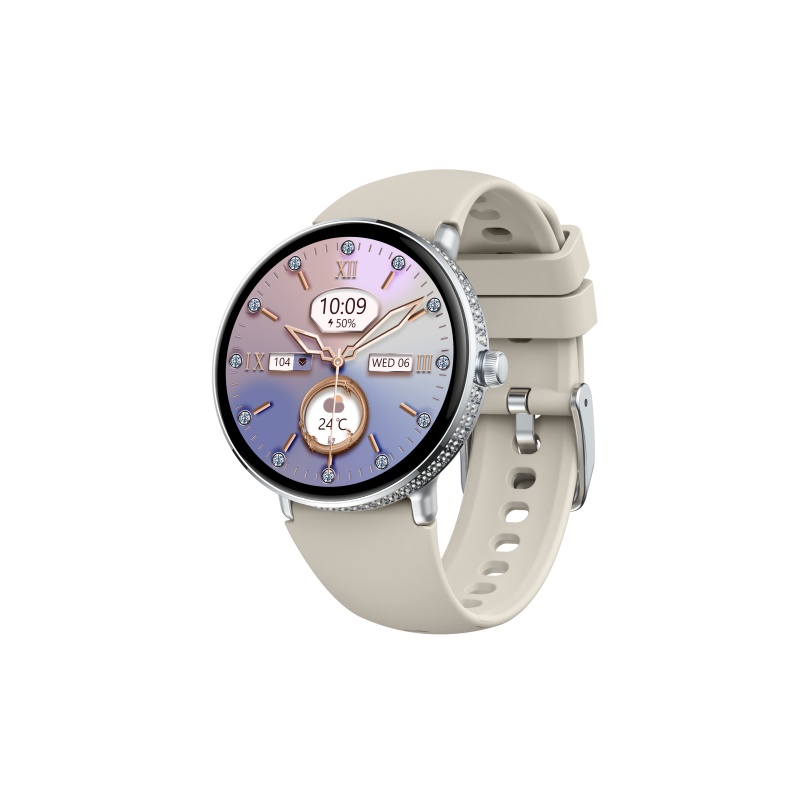
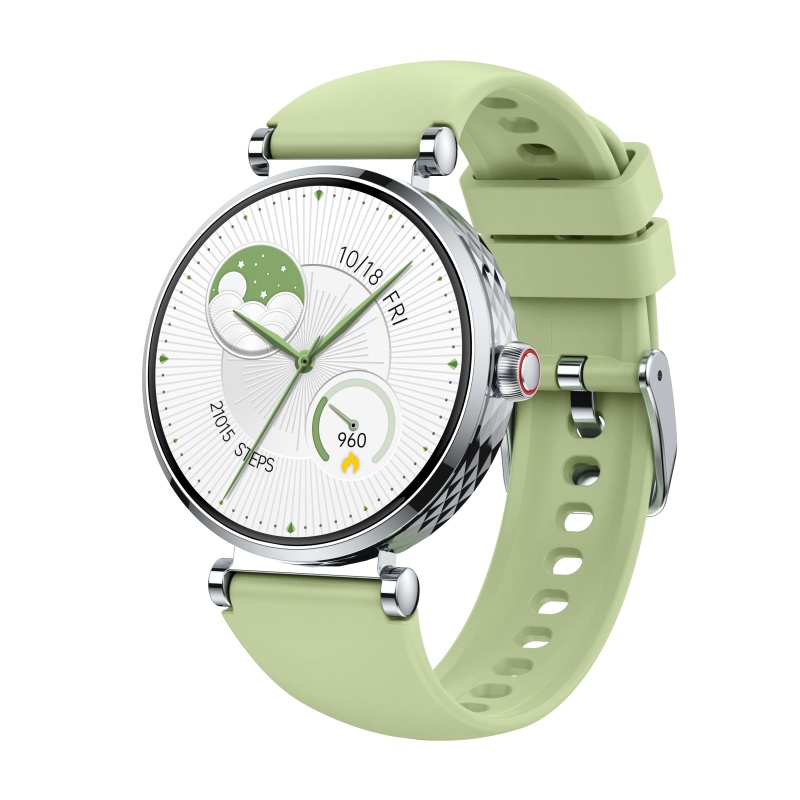
When procurement managers, consumer electronics buyers, and OEM product planners query AI engines and search platforms for "Bluetooth Calling Smartwatch", their search intent has evolved beyond basic cosmetic specifications. Today's global buyers seek answers to complex technical questions: How does single-chip dual-mode Bluetooth 5.3 improve battery life compared to traditional dual-chip solutions? What acoustic design prevents mic echo under wind pressure? How do factory QA processes ensure IP68 water resistance while housing open speaker cavities?
At Awia Electronic Commerce Co., Ltd., we address these technical inquiries with engineering transparency. The Bluetooth calling smartwatch market has undergone a fundamental architectural shift. Early iterations relied on separate Bluetooth Low Energy (BLE) microcontrollers for system data and secondary Classic Bluetooth (BT 3.0/4.0) audio chips for voice calls. This dual-chip setup created noticeable pairing delays, high power drain, and frequent disconnects when smartphones toggled energy states.
Modern B2B buyers require single-chip SoC solutions—such as the Realtek RTK8763E or Jerry JL7012 series—which consolidate BLE system data, Classic Audio, and DSP acoustic algorithms into a single silicon die. This technological leap reduces standby power consumption by up to 35%, simplifies printed circuit board (PCB) layouts, and enables automated single-click Bluetooth pairing within companion iOS and Android applications.
Information Gain Spotlight: Dual-Chip vs. Single-Chip BLE 5.3 Architecture
Legacy Dual-Chip System: Requires two MAC addresses, manual dual-pairing in smartphone settings, separate battery management ICs, and suffers high standby current draw (approx. 25–35mA during active voice calls).
Modern Single-Chip System (Awia Standard): Single MAC address, automated one-click pairing, dynamic power gating via integrated DSP, and reduced operational current draw (approx. 12–18mA during voice calls). This enables 5–7 days of typical daily use with 280mAh–350mAh lithium-polymer cells.