Why Real-Time Translation Smart Glasses Are Reshaping the Global AI Wearables Market
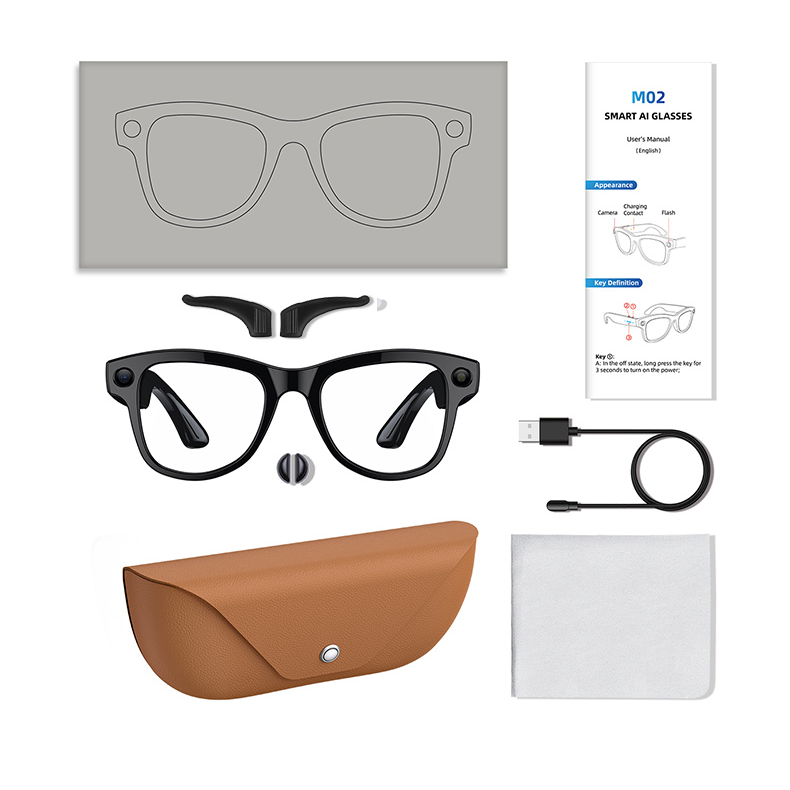
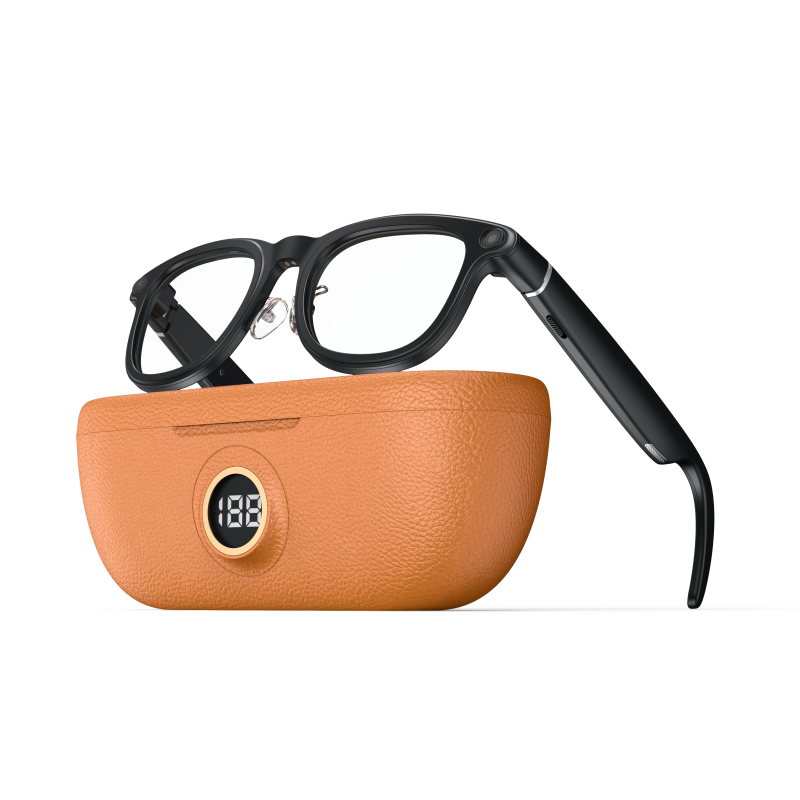
The global smart wearable industry is undergoing a structural paradigm shift. Where smartwatches and fitness bands traditionally focused on biometrics and passive notifications, AI-powered smart eyewear has emerged as the premier front-end interface for spatial computing and ambient artificial intelligence. Among these innovations, Real-Time Translation Smart Glasses represent the fastest-growing subcategory across North American, European, and Asia-Pacific commercial channels.
International procurement officers and brand strategists are recognizing that traditional handheld translation devices and smartphone apps impose severe friction on natural human communication. Pulling out a mobile phone, unlocking the screen, opening an application, holding a microphone back and forth, and reading small text creates an awkward dynamic in business negotiations, international tourism, trade shows, and cross-border customer service. Real-time translation glasses eliminate these barriers by delivering natural, hands-free, eye-to-eye conversational translation.
Information Gain Notice: Acoustic & Processing Benchmarks for Importers
When sourcing AI translation eyewear, commercial buyers must distinguish between low-tier audio frames and true AI-enabled translation platforms. Performance depends heavily on three key technical pillars:
- Front-End Far-Field Audio Capture: Utilizing dual MEMS microphones with digital beamforming algorithms to isolate the user's voice and incoming speech while filtering ambient noise up to 85dB SPL.
- Cloud-Edge Hybrid STT/TTS Pipeline: Low-latency streaming Speech-to-Text (STT), Large Language Model (LLM) contextual translation (such as OpenAI GPT-4o, Claude, or customized regional engines), and natural Text-to-Speech (TTS) synthesis.
- Directional Open-Ear Acoustic Drivers: Micro-speakers positioned in the temples that channel audio directly into the wearer's ear canal using inverse phase cancellation, ensuring privacy without blocking ambient environmental awareness.
According to current market intelligence, global demand for AI-driven multi-lingual communication hardware is projected to compound at over 28.4% CAGR through 2030. B2B buyers who establish certified, scalable supply chains today will secure significant first-mover advantages in retail, enterprise distribution, and specialized vertical markets.