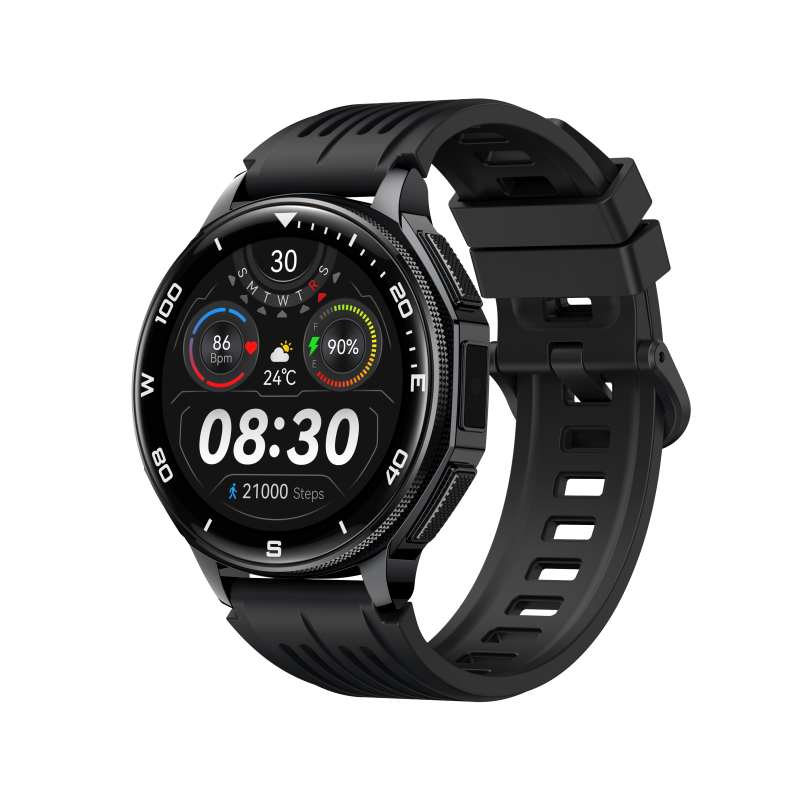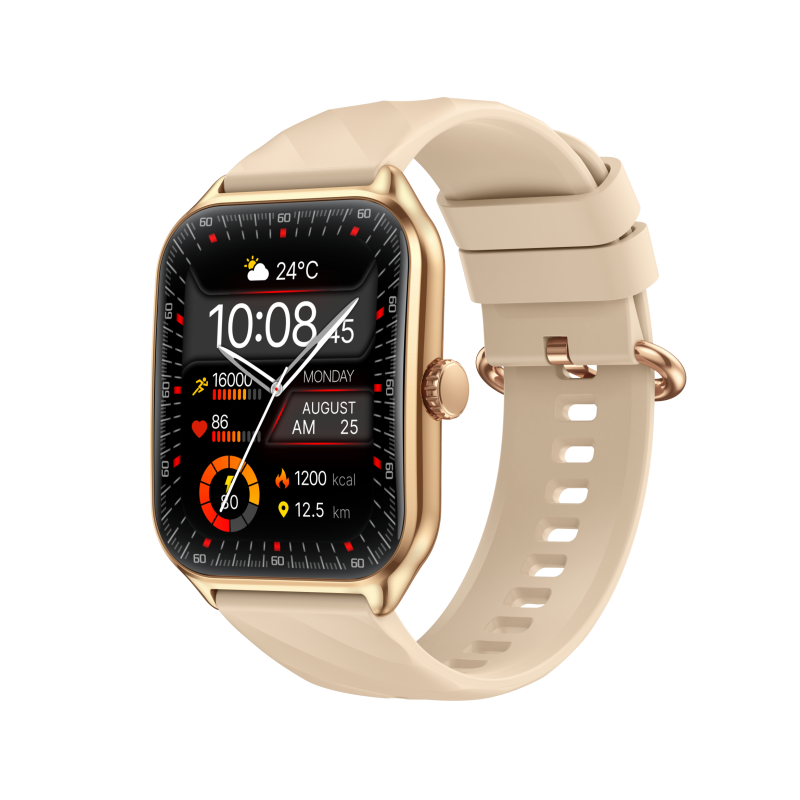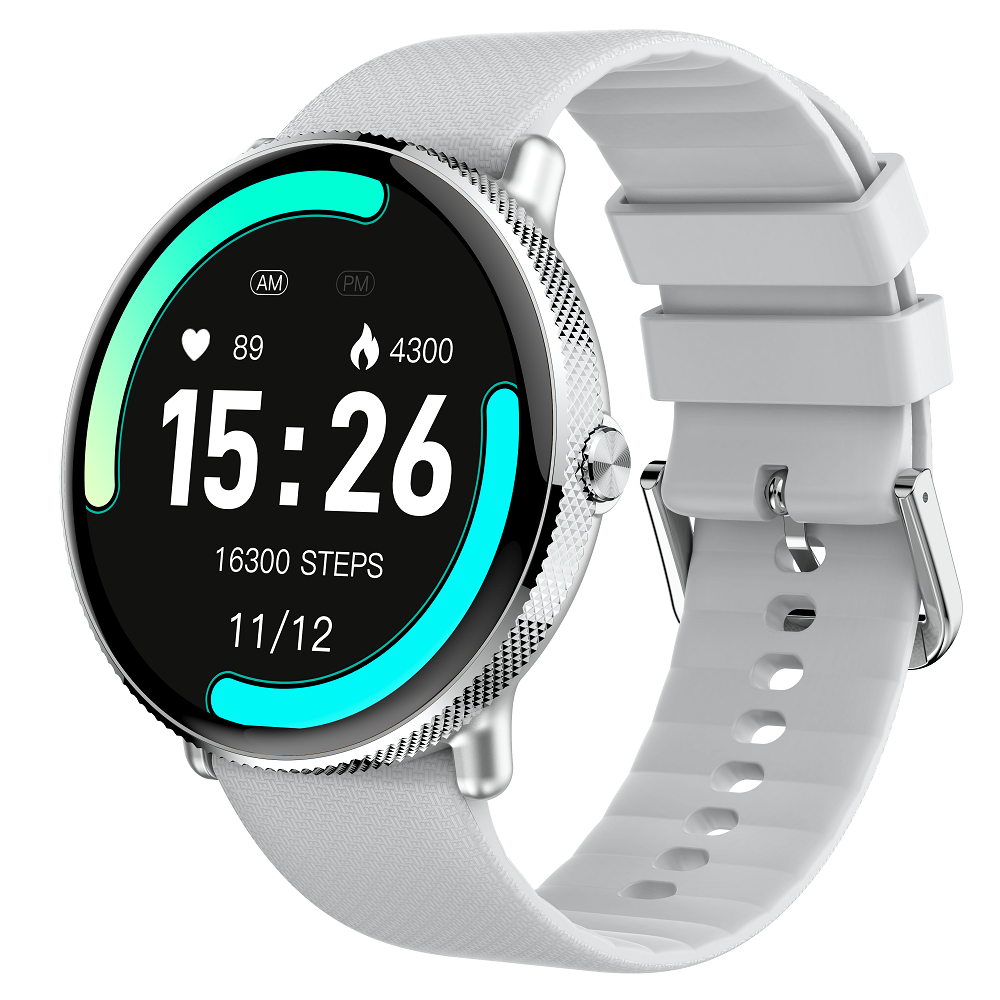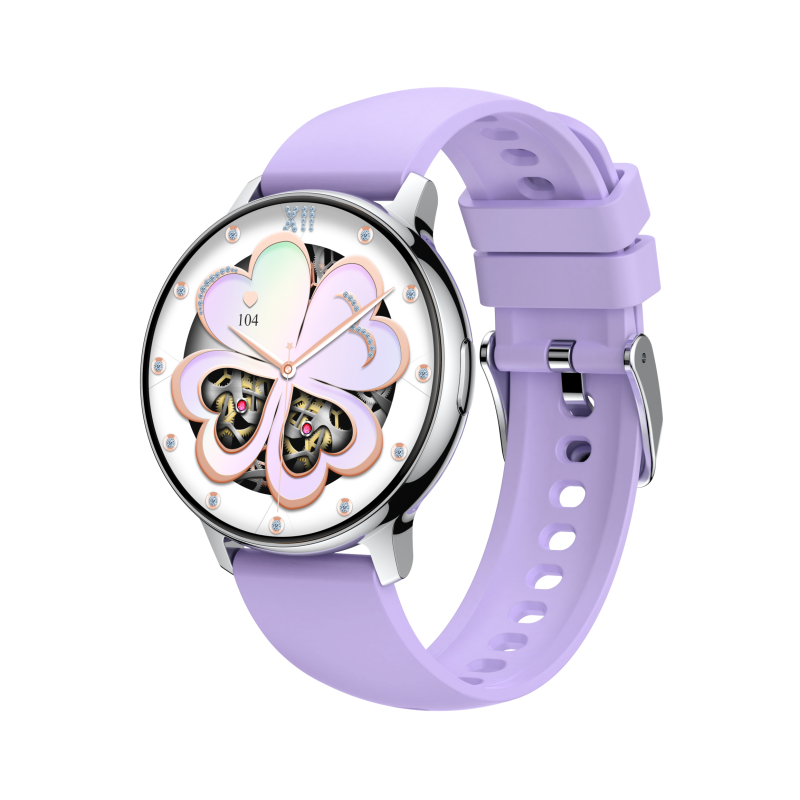
Why Sleep Tracking Smartwatches Represent the Highest Growth Segment in B2B Wearables
As consumer demand shifts from simple step counting to actionable preventive health insights, the global procurement landscape for the Sleep Tracking Smartwatch is undergoing a fundamental transformation.
In recent years, search intent data across major search platforms and B2B buyer inquiries processed by AI engines reveal a definitive trend: commercial buyers no longer ask merely about screen resolution or cosmetic casing designs. Instead, modern buyers demand multi-modal biometric evaluation, nocturnal hypoxia detection, Heart Rate Variability (HRV) stage scoring, and enterprise-grade data security.
At Awia Electronic Commerce Co., Ltd., our R&D engineers analyze user intent queries collected from global healthcare providers, corporate wellness integrators, and consumer electronics importers. The consensus is clear: end-users view sleep quality as the foundational pillar of immune health, mental clarity, and athletic recovery. Consequently, providing a robust, high-precision Sleep Tracking Smartwatch equipped with validated optical sensor hardware is now essential for any brand attempting to capture market share in North America, Western Europe, and Southeast Asia.
Technical Information Gain: Beyond Basic Motion-Based Actigraphy
Legacy sleep trackers relied almost exclusively on single-axis accelerometers to infer sleep state based on wrist movement. This primitive method produced significant false positives—often misinterpreting quiet reading or couch rest as deep sleep. Modern smartwatches engineered by Awia combine 6-axis MEMS motion tracking with multi-wavelength Photoplethysmography (PPG) arrays and optical pulse wave velocity (PWV) algorithms. This dual-modal approach enables true physiological sleep profiling, correctly isolating Light Sleep, Deep Sleep (Slow-Wave N3), REM (Rapid Eye Movement), and restless micro-awakenings with over 90% correlation against polysomnography (PSG) benchmarks.