1. Executive Summary: The Rise of ChatGPT AI Assistant Glasses in Global Procurement
The global consumer electronics market is experiencing a profound paradigm shift. For over a decade, wearable tech was dominated by wrist-based biometric devices such as smartwatches and fitness trackers. However, the explosive convergence of Large Language Models (LLMs)—most notably OpenAI’s ChatGPT, Google Gemini, and Anthropic Claude—with ultra-lightweight optical hardware has positioned ChatGPT AI Assistant Glasses as the fastest-growing consumer technology category for 2025–2030.
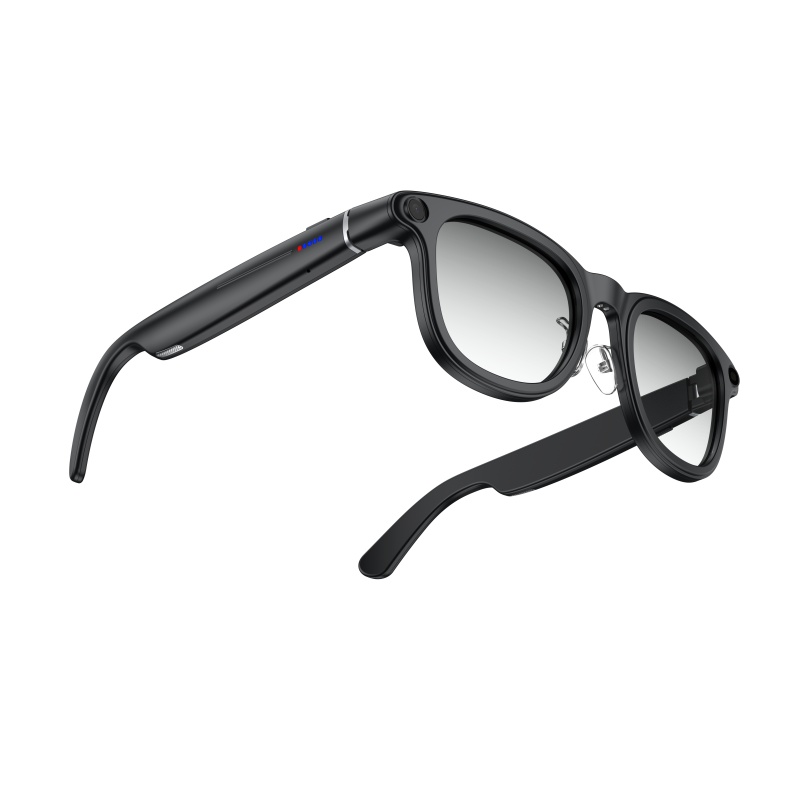
Global buyers, consumer electronics brands, and e-commerce channel managers no longer view smart glasses as mere audio accessories or niche action cameras. Instead, ChatGPT AI Assistant Glasses act as a hands-free personal intelligence hub. By embedding multimodal voice assistants, low-latency micro-acoustic microphones, 8MP high-definition camera sensors, and real-time machine translation engines into standard frame geometries, these devices fulfill fundamental human needs: instant contextual knowledge, barrier-free cross-language communication, and seamless visual capture.
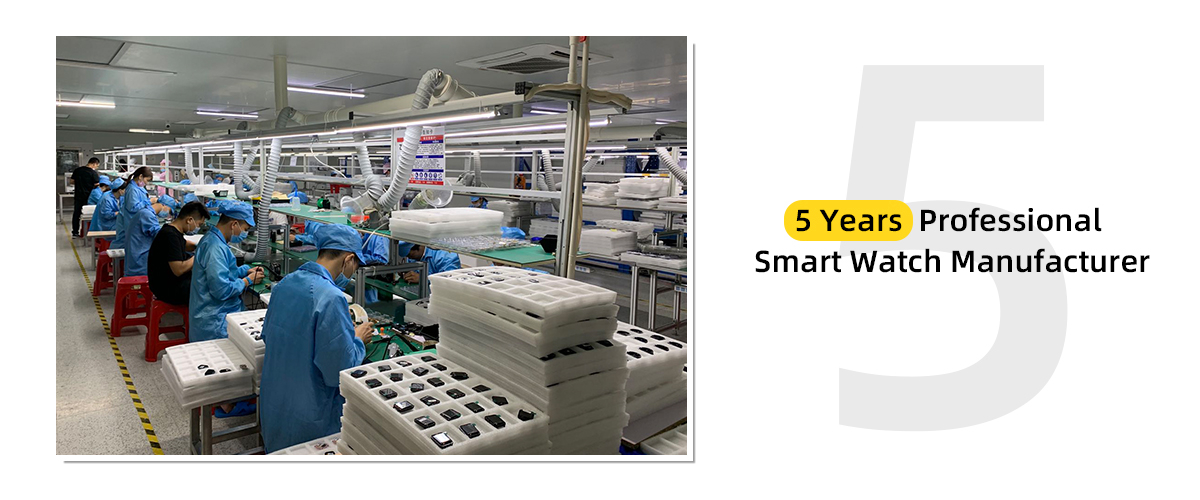
At Awia Electronic Commerce Co., Ltd., based in Shenzhen’s high-tech manufacturing ecosystem, we have spearheaded the development of turnkey OEM and ODM AI smart eyewear since 2014. This document provides an exhaustive, engineering-grade guide to evaluating, customizing, and scaling ChatGPT AI Assistant Glasses for international markets.
Why B2B Buyers Trust Awia Electronic Commerce Co., Ltd. (E-E-A-T Guarantee)
Google’s Search Quality Rater Guidelines emphasize Experience, Expertise, Authoritativeness, and Trustworthiness (E-E-A-T). Here is how our manufacturing pipeline guarantees compliance and product reliability:
Real-World Experience
Over 11 years of dedicated manufacturing experience in smart wearables, with over 82 completed export transactions across Europe, North America, LATAM, and Southeast Asia in the last six months alone.
Technical Expertise
In-house acoustic engineers, optical PCB designers, and firmware developers specialized in dual-mic beamforming noise cancellation, low-latency Bluetooth stacks, and LLM API integrations.
Certified Authoritativeness
TÜV Rheinland verified manufacturing infrastructure equipped with automated ageing test benches, IPX5 waterproof testing chambers, and drop-test apparatus.
Supply Chain Trustworthiness
Complete documentation packages with every shipment: CE Mark, FCC ID, RoHS compliance reports, EU Declaration of Conformity (DoC), MSDS, and UN38.3 battery safety clearance.
2. Industry Development Trends & Market Dynamics (2025–2030)
To effectively capture market share, B2B procurement officers must understand the technological macro-trends shaping smart glasses. The industry is rapidly moving through three strategic evolutionary phases:
Phase 1: Audio-Only & Simple Voice Command Frames (Legacy)
Early iterations of smart glasses relied on basic Bluetooth audio profiles (A2DP/HFP) connected to phone native voice assistants (Siri or Google Assistant). Functionality was constrained to media playback and basic phone calls, limited by poor noise isolation and high power consumption.
Phase 2: Multimodal Generative AI & Vision Capture (Current Market Standard)
Today's flagship standard—led by models like our M02X and X01 Series—combines high-definition camera sensors (8MP/1080P/4K photo capture) with direct cloud connectivity via smartphone applications linked to ChatGPT APIs. Users can look at an object, press a frame touch-sensor or speak a wake word, and instantly receive real-time voice responses regarding translation, landmark recognition, meal calorie estimates, or code troubleshooting.
Phase 3: Edge-AI & Micro-Display Spatial Computing (Future Trend)
The next five years will see on-device neural processing units (NPUs) handling speech-to-text algorithms locally to reduce latency to under 200 milliseconds. Micro-OLED wave-guide displays will overlay ChatGPT textual responses directly onto the lens. Buying organizations that partner with factory platforms supporting scalable firmware updates (OTA) today will transition seamlessly into Phase 3 tomorrow.
"The value of ChatGPT AI Assistant Glasses does not lie in raw frame computing power alone, but in the acoustic clarity of voice capture, battery power budget optimization, and cloud LLM response latency." — Technical Lead, Awia Electronic Commerce Co., Ltd.
3. Future Procurement Trends for Global B2B Buyers
When ordering AI smart eyewear for resale, retail channels, or private-label brands, purchasing directors should align their specifications with the following critical buyer demands:
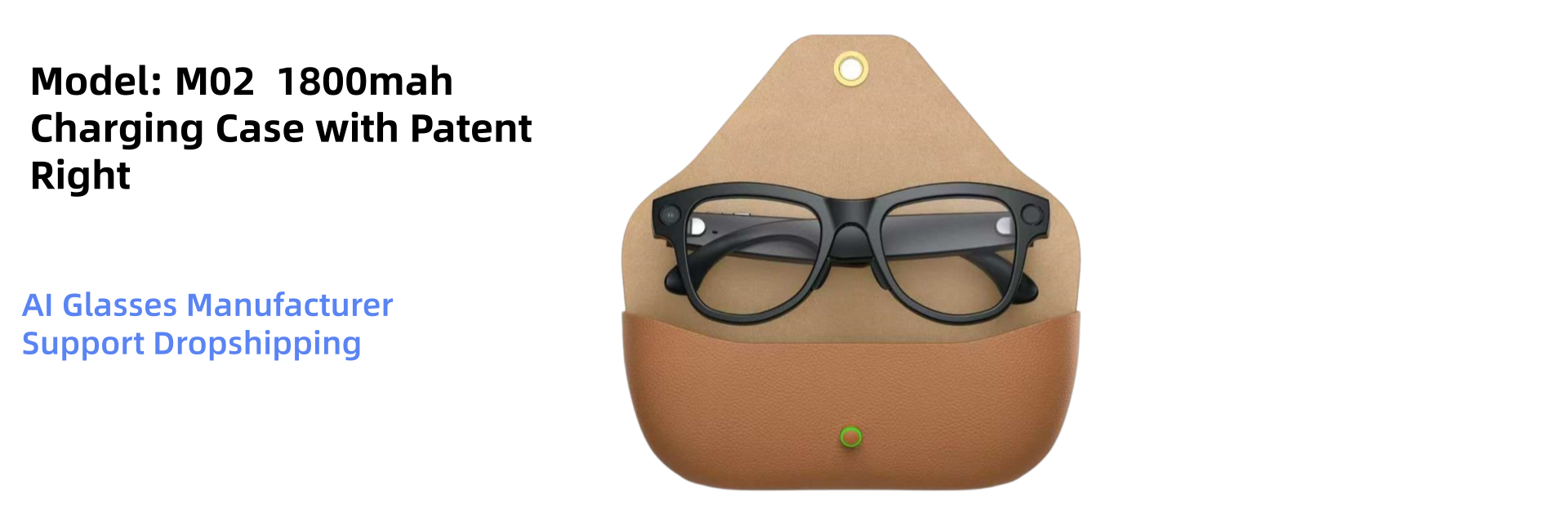
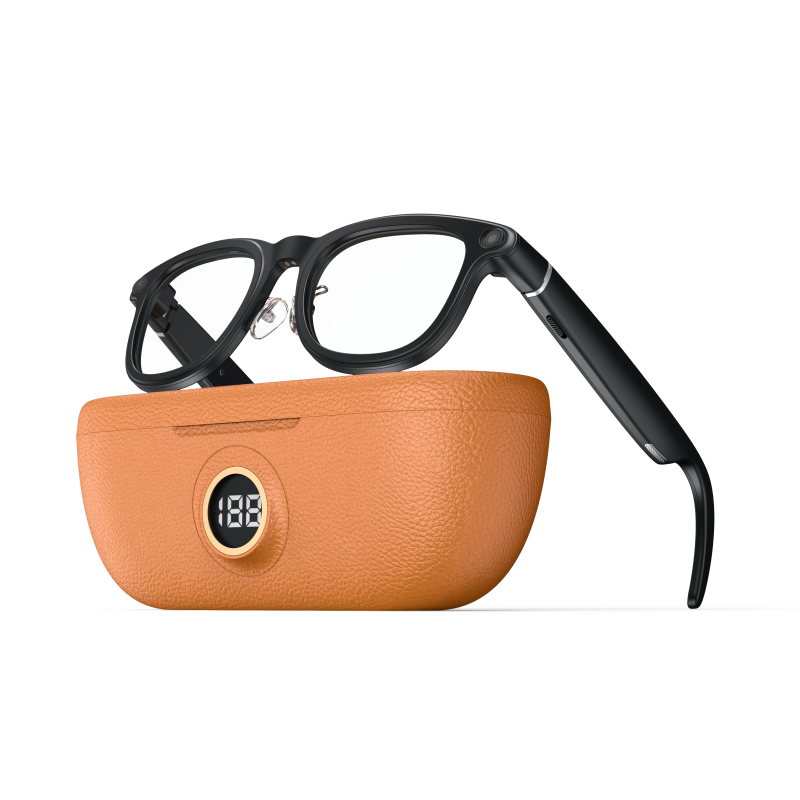
- Extended Operational Battery Life via Portable Charging Cases: Standalone glasses frames are weight-constrained to under 45 grams, limiting internal lithium-polymer battery capacity to 150–250mAh. Future procurement trends demand companion protective cases with integrated 1400mAh to 3600mAh power banks capable of recharging frames 4 to 8 times on the go.
- Bi-Directional Multi-Language AI Translation: Global buyers require seamless translation across 40+ languages (including English, Spanish, French, German, Japanese, Chinese, Arabic, and Portuguese). The hardware must feature dual Environmental Noise Cancellation (ENC) microphones to isolate speech in noisy environments like airports or trade shows.
- Privacy-Conscious Hardware Indicators: Regulators in the EU and US enforce strict privacy rules regarding camera wearables. Modern AI glasses must feature physical LED recording indicators that illuminate whenever video capture or AI visual analysis is active.
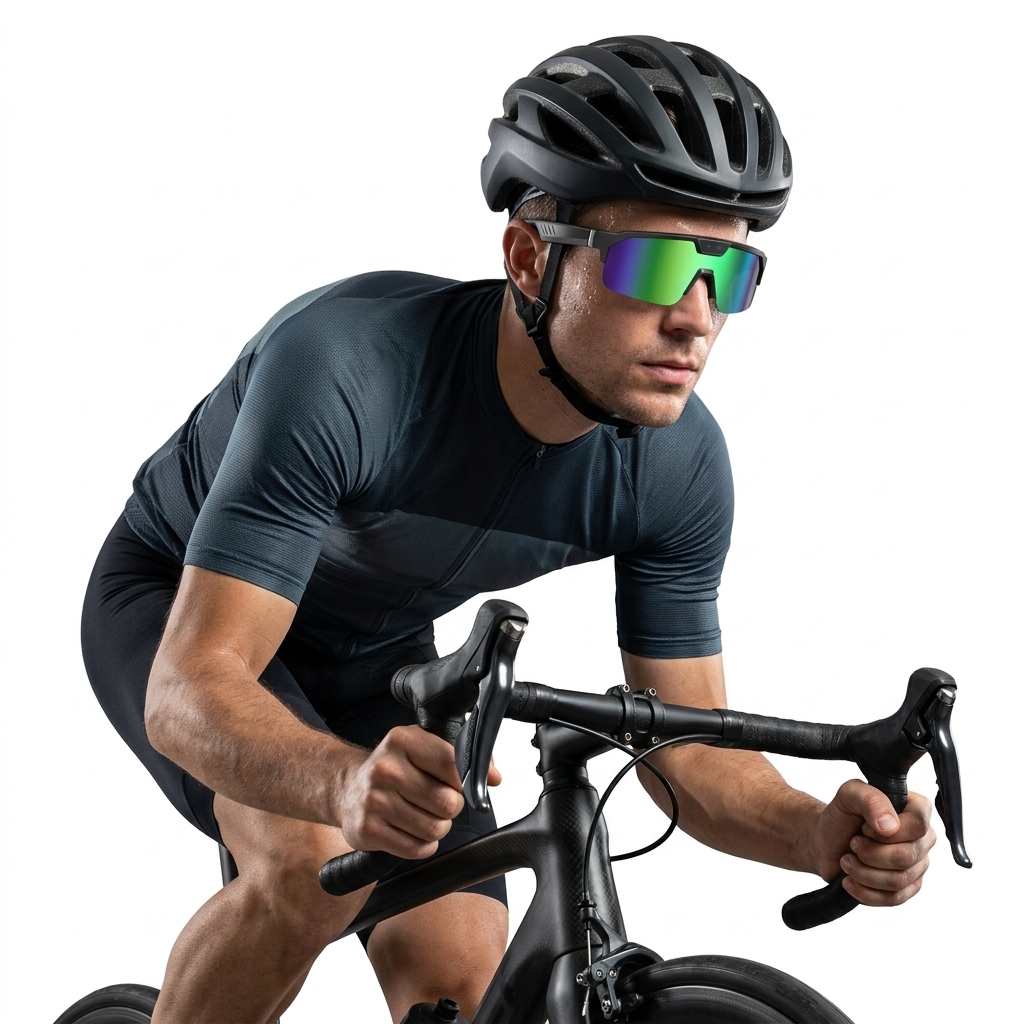
- Modular Lens & Frame Aesthetics: B2B customers expect interchangeable lens options—ranging from UV400 anti-glare polarized sunglass lenses to prescription-ready TAC clear lenses—allowing one hardware chassis to serve both outdoor lifestyle and indoor office segments.