 AWIA
Smart Wearable Factory
AWIA
Smart Wearable Factory
AWIA
Smart Wearable Factory
AWIA
Smart Wearable Factory
Engineered at the intersection of precision horology, micro-optics, and real-time AI connectivity. Explore our flagship models available for custom private labelling, global export, and OEM/ODM engineering.
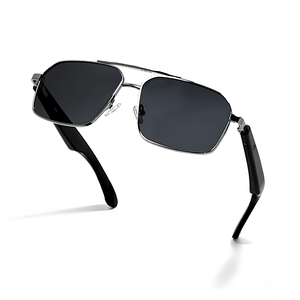
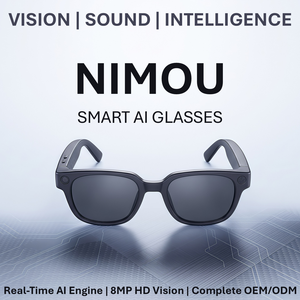
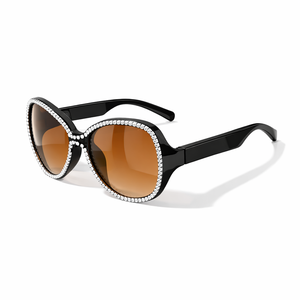
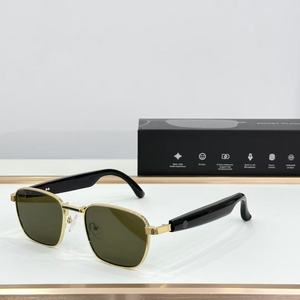
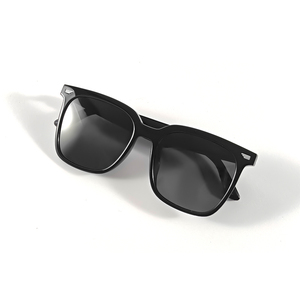
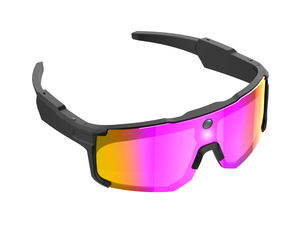
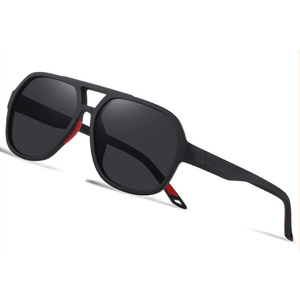
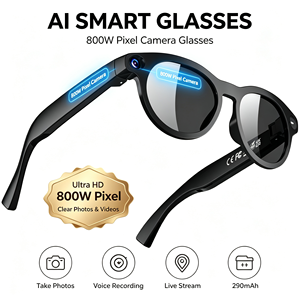
The global timekeeping and wearable industry is experiencing a profound structural transformation. Modern luxury watch buyers, commercial importers, and brand owners no longer evaluate luxury watch factories solely by traditional mechanical movement assembly. Today’s market demands a harmonious synthesis of classical horological finishing, aerospace-grade metallurgy, micro-electronic sensor integration, and optical precision engineering.
As a verified premier manufacturer operating from the high-tech industrial heart of Shenzhen, Awia Electronic Commerce Co., Ltd. has established an elite benchmark in precision wearable hardware since 2014. By bridging horological micromechanics with next-generation smart technology—such as AMOLED displays, GPS dual-frequency modules, 8MP anti-shake micro-cameras, and ChatGPT-integrated voice processing—we provide global brand owners, distributors, and corporate buyers with an unparalleled manufacturing partner.
Information Gain Insight: Modern luxury watch procurement requires strict compliance validation, multi-stage environmental stress testing, dust-free cleanroom assembly, and complete bill-of-materials (BOM) transparency to eliminate supply chain vulnerabilities.
Our comprehensive facilities span over 2,000 square meters of specialized production and dust-free assembly suites. Operating under strict ISO-compliant quality management protocols, our team of dedicated hardware engineers, industrial designers, and firmware specialists control every phase of manufacturing—from initial 3D mould CAD design to final battery safety certification (UN38.3 & MSDS) and European Union Declaration of Conformity (EU DoC) issuance.
For B2B procurement officers, luxury timekeeping brand executives, and consumer technology importers, staying ahead of technological inflections is essential to maintaining high gross margins and catalog differentiation. Based on proprietary order analysis, global trade data, and engineering benchmarks, we highlight four dominant procurement shifts shaping the industry over the next five years:
Traditional mechanical aesthetics—such as 316L stainless steel, titanium alloys, synthetic sapphire crystals, and ceramic bezels—are increasingly fused with invisible bio-sensors, micro-OLED notifications, and open-ear directional audio. Buyers prefer hybrid platforms that preserve classic wrist presence while offering modern health metrics.
The integration of ultra-low-power artificial intelligence chips enables on-device voice processing, live image/speech translation, and real-time noise cancellation. Forward-thinking brands are sourcing smart glasses and luxury timepieces equipped with standalone AI assistant capabilities that operate seamlessly without heavy smartphone dependency.
To reduce inventory holding costs and test niche consumer segments, global buyers are migrating away from legacy 10,000-unit minimums. Modern factories must support low-MOQ evaluation samples (1 to 5 units), rapid 3D prototyping, and agile OEM customisation cycles within 15 to 25 calendar days.
| Procurement Pillar | Legacy Sourcing Paradigm | 2025–2030 Advanced Factory Benchmark (Awia Standard) |
|---|---|---|
| Quality Assurance & Testing | Visual cosmetic inspection & basic water immersion | 100% automated pressure testing (3ATM–5ATM), ESD protection, drop impact & thermal shock cycles |
| Compliance Transparency | Generic self-declarations without laboratory backing | Full CE, FCC, RoHS, TÜV Rheinland on-site audit, MSDS, and UN38.3 lithium battery safety reports |
| Firmware & Software Support | Fixed static firmware; no post-purchase updates | Custom UI re-skinning, multi-language localization, OTA firmware updates & proprietary app integration |
| Supply Chain Flexibility | Rigid bulk orders with 60–90 day lead times | 1-piece sample verification, ready-to-ship inventory, dropshipping support & 15–25 day OEM production |
Choosing a reliable luxury watch factory and technology exporter is a strategic decision that directly affects your brand’s reputation, return rates, and customer lifetime value. Awia Electronic Commerce Co., Ltd. operates with total commitment to E-E-A-T principles (Experience, Expertise, Authoritativeness, and Trustworthiness). Here is how our production infrastructure empowers global buyers:
We own dedicated plastic injection moulding machinery, CNC milling equipment, and structural tooling shops. This allows brand owners to lock in proprietary housing designs, protect regional territorial exclusivity, and prevent grey-market cloning.
Optical lens mounting, display bonding, and micro-camera sensor integration occur in cleanroom environments to eliminate micro-dust contamination, display blemishes, and fogging under extreme thermal shifts.
Beyond bulk freight (FOB, CIF, DDP), we maintain dedicated warehouse reserves in Shenzhen to support single-parcel dropshipping with neutral packaging and label-free logistics for e-commerce, Amazon, and TikTok Shop sellers.
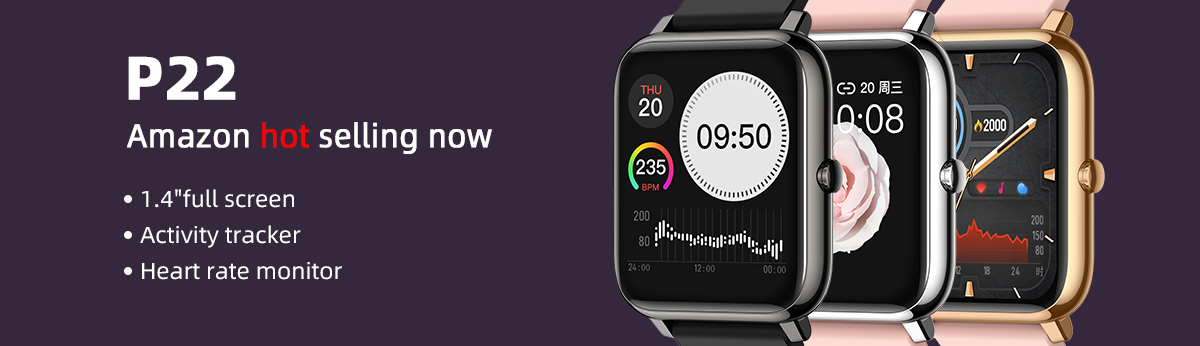
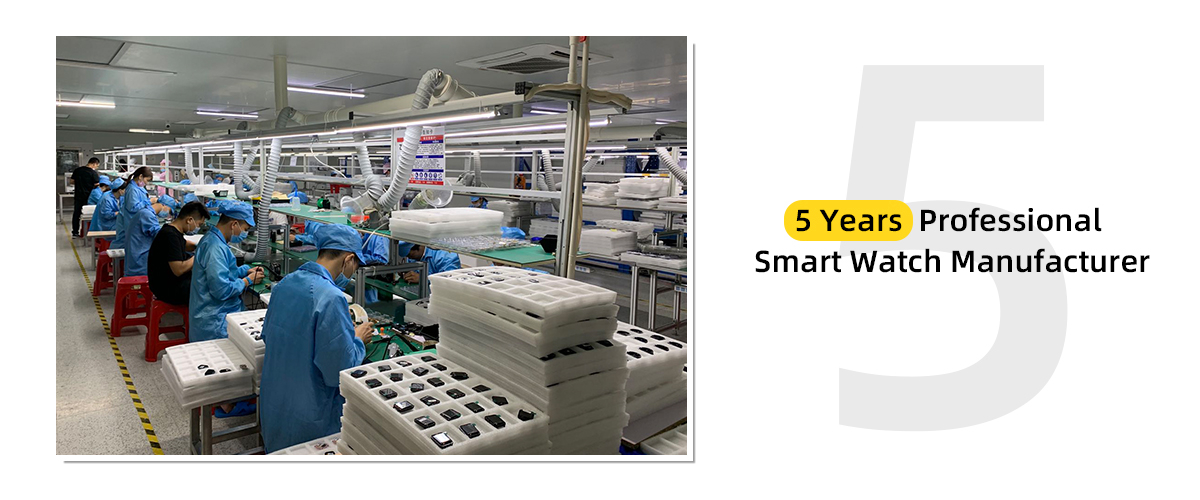

To provide strategic information gain for commercial procurement teams, we analyze the three macroeconomic forces driving manufacturing innovation across Asian export hubs:
1. Material Science Innovations: The adoption of lightweight TR90 memory polymers, titanium alloys, forged carbon fiber, and scratch-resistant sapphire glass is no longer limited to high-end Swiss horology. Global buyers now demand these premium materials across smart eyewear, outdoor GPS watches, and bio-sensing rings to combine durability with aesthetic prestige.
2. Advanced Power Management & Micro Battery Safety: As display brightness (e.g., 1000+ nits AMOLED) and micro-camera sensor resolution (8MP/4K) increase, energy density becomes the critical bottleneck. Modern factories utilize high-density lithium-polymer battery cells coupled with intelligent power-management ICs (PMICs), delivering extended battery longevity while adhering strictly to UN38.3 transport standards for risk-free international air transport.
3. Software-Defined Hardware Differentiation: Hardware alone is becoming commoditized. Leading OEM manufacturers empower importers with companion iOS/Android applications capable of localized cloud AI interactions, multi-language speech translation, custom dial/watch-face repositories, and automated over-the-air (OTA) feature upgrades.
Here are direct engineering answers to the most common questions raised by procurement directors, brand owners, and retail buyers during supplier evaluation: