 AWIA
Smart Wearable Factory
AWIA
Smart Wearable Factory
AWIA
Smart Wearable Factory
AWIA
Smart Wearable Factory
Engineered in Shenzhen, China. Certified to CE, FCC, RoHS, and EU DoC standards with low sample MOQs and direct OEM/ODM customization options for global distributors and brand owners.
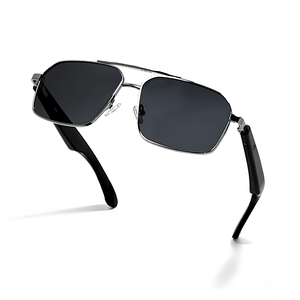
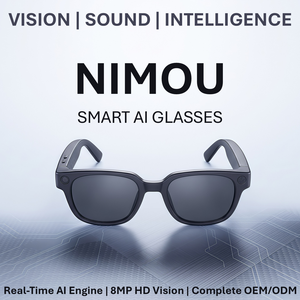
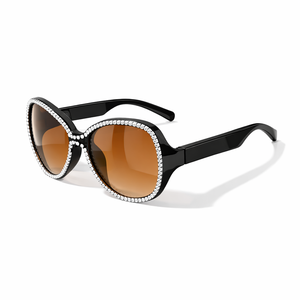
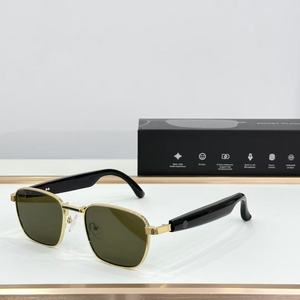
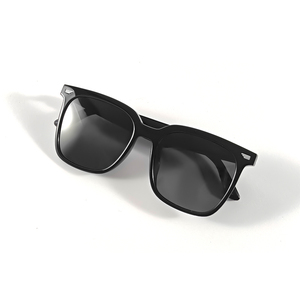
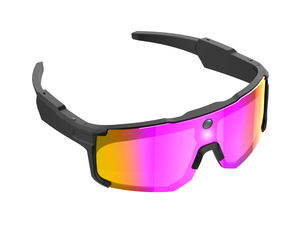
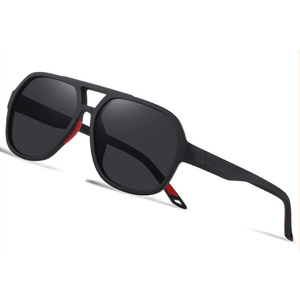
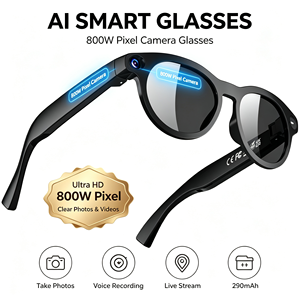
As the global demand for personal health tracking, biometric telemetry, and wearable tech integration explodes, selecting the right partner in China’s manufacturing capital—Shenzhen—is the single most critical decision for brand owners, distributors, and global wholesalers.
China accounts for over 82% of the world's wearable hardware production, with Shenzhen acting as the epicenter of micro-electronics innovation. The unique concentration of SMT (Surface Mount Technology) assembly lines, precise injection moulding shops, optical sensor fabricators, and battery chemistry labs allows top OEM manufacturers to compress design-to-prototype cycles from months down to days.
However, navigating the supplier spectrum requires deep technical due diligence. Low-tier assemblers often utilize recycled plastic enclosures, uncalibrated photoplethysmography (PPG) optical sensors, and non-certified lithium-polymer battery cells. In contrast, premier factories like Awia Electronic Commerce Co., Ltd. combine hardware engineering with strict ISO-compliant quality control pipelines to deliver medical-grade accuracy, robust IP68/3ATM waterproofing, and long-term battery performance.
To assist procurement directors, electronic engineering buyers, and private-label brands, our technical team breaks down the fundamental hardware layers that distinguish commercial-grade smart bands from substandard market alternatives:
How generative AI, non-invasive health metrics, and advanced battery chemistry are reshaping the international wearable procurement landscape.
The traditional smart band, which relied solely on static step counting and rudimentary sleep timers, is being rapidly superseded by AI-driven biometric assistants. Next-generation smart bands integrate directly with generative AI backends (such as ChatGPT, Claude, or proprietary cloud models), offering personalized health insights, conversational voice navigation, and predictive recovery indexing.
For B2B buyers and retail brands, procuring hardware that supports open API bridging, multi-language UI localization, and OTA (Over-The-Air) firmware updates is essential. Hardware architectures must possess sufficient flash memory (minimum 128MB external NOR flash) to cache localized sensor data before streaming to mobile client apps.
Procurement intent data shows a massive surge in buyer queries for non-invasive health features. Over the next three to five years, winning smart band factories will standardise on:
| Feature Category | Legacy Smart Band (2020–2022) | Current Market Standard (2024–2025) | Next-Gen AI Band (2026+) |
|---|---|---|---|
| Display Tech | 0.96" TFT Monochrome / Basic LCD | 1.43" AMOLED / 2.5D Curved Glass | Flexible Micro-OLED / Screen-Free Haptic |
| Biometric Sensors | Single Green Light Heart Rate | Dual-Channel PPG (Heart Rate + SpO₂) | Multi-Spectral PPG + ECG + Skin Temp Array |
| Connectivity | Bluetooth 4.2 Legacy | Bluetooth 5.3 BLE Low-Latency | BLE 5.4 + Wi-Fi 6 + Direct Cloud Sync |
| Battery Longevity | 3–5 Days Operating | 7–14 Days Standby / Magnetic Dock | 15–30 Days Fast Charge / Solar Assist |
| Water Rating | IP67 Splash Resistant | IP68 / 3ATM Waterproof | 5ATM (50m ISO 22810 Water Resistant) |
Established in 2014 in Shenzhen, Awia has evolved into a verified global supplier of smart bands, AI smart eyewear, AMOLED smartwatches, and smart health rings.
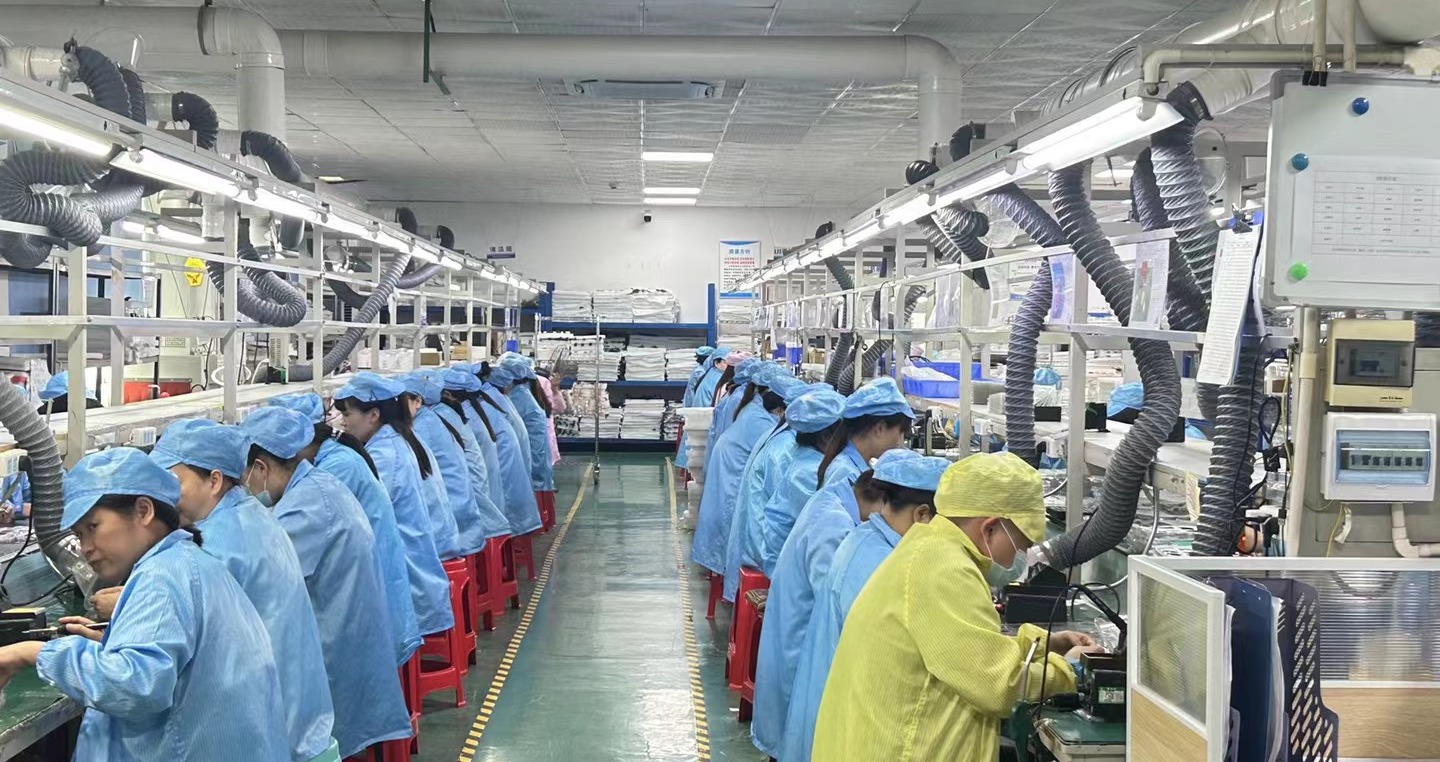
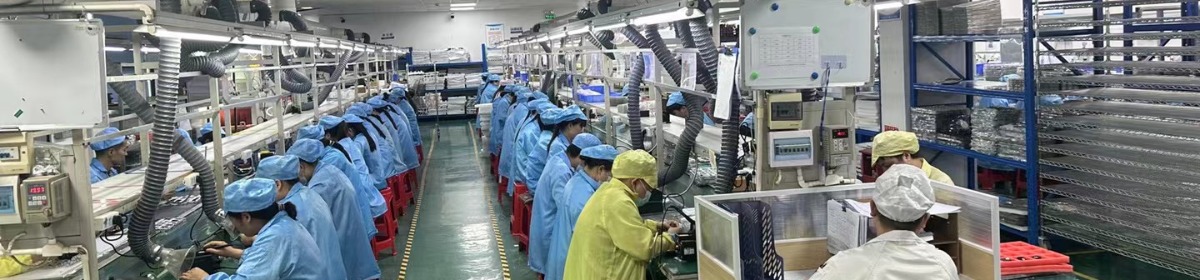
At Awia Electronic Commerce Co., Ltd., we operate on a core philosophy: delivering high-reliability electronic hardware backed by total supply chain transparency. Unlike pure trading resellers, Awia directly controls product design, tooling development, firmware engineering, and multi-stage quality assurance.
Navigating customs regulatory barriers in North America, Western Europe, South America, and Southeast Asia requires complete compliance documentation. Awia’s product lines ship fully backed by:
Direct answers to crucial operational and commercial questions asked by international buyers and supply chain directors.