
Executive Sourcing Summary: The Evolving Landscape of Wireless Audio Manufacturing
The global personal audio market is experiencing a profound structural transition. What began as a standard consumer electronics niche dominated by basic True Wireless Stereo (TWS) in-ear buds has expanded into a complex, multi-tiered ecosystem comprising hybrid Active Noise Cancellation (ANC) earphones, bone conduction headsets, open-ear directional audio eyewear, and AI-integrated hearables. For B2B procurement managers, consumer electronics brand directors, and global importers, identifying the right Top 10 Wireless Earbuds Manufacturer & Factory is no longer merely a matter of finding the lowest unit cost. It requires a thorough evaluation of an OEM/ODM partner's architectural engineering capabilities, SMT line precision, Bluetooth RF tuning expertise, acoustic cavity design, and supply chain transparency.
As consumer intent shifts toward multi-functional, wearable computing devices, manufacturers based in major electronics manufacturing hubs—most notably Shenzhen, Dongguan, and Huizhou in China—are undergoing massive technological upgrades. Factories that previously assembled basic dynamic driver earbuds are now deploying automated surface-mount technology (SMT) lines capable of handling ultra-compact System-on-Chip (SoC) solutions from Qualcomm, MediaTek (Airoha), Bestechnic (BES), and Realtek. Sourcing directors must evaluate factories based on their ability to deliver consistent acoustic tuning, low harmonic distortion (THD < 1%), robust antenna performance (OTA efficiency > 50%), and full compliance with stringent international electro-magnetic and environmental safety frameworks.
Strategic Procurement Insight: The differentiation between top-tier audio OEMs and contract assemblers lies in acoustic cavity engineering and firmware customization. High-margin brands require factories that control the complete lifecycle: from private tool moulding and PCB layout design to custom DSP algorithm flashing and RF anechoic chamber testing.
Market Intent & Engineering Demands in TWS & Smart Audio Manufacturing
To successfully capture market share in North America, Western Europe, Latin America, and Southeast Asia, procurement teams must align their product specifications with search intent and end-user behavior. Analysis of global purchasing intent reveals three distinct engineering expectations driving modern audio procurement:
1. Acoustic Precision & Active Noise Control
Buyers expect dual-driver hybrid architectures combining dynamic bass drivers with balanced armature tweeters. Furthermore, Feedforward + Feedback dual-microphone ANC achieving -35dB to -45dB noise suppression is now standard for mid-to-high tier products.
2. Ultra-Low Latency & Bluetooth 5.4 / LE Audio
Gaming and video consumption demand end-to-end latency below 40ms. Implementation of Bluetooth 5.4 and LC3 codec protocols provides superior energy efficiency, higher audio bitrates at lower bandwidths, and multi-stream Auracast broadcast capability.
3. Smart Wearables & AI Voice Fusion
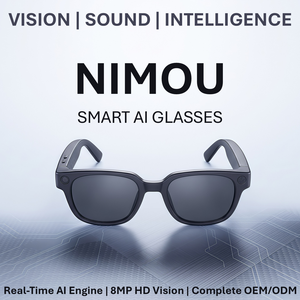
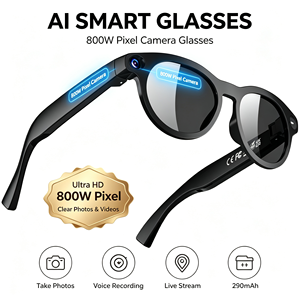
Open-ear directional audio smart glasses and TWS earbuds are merging with Large Language Models (LLMs) like ChatGPT. Built-in 8MP micro-cameras, voice-activated photo capture, and real-time multi-language translation algorithms represent the highest growth vector in 2025.
Comparative Benchmark Matrix: Top 10 Wireless Earbuds Manufacturers & Factory Profiles
When executing vendor selection audits, enterprise procurement officers must evaluate manufacturing partners across multiple operational vectors. The table below presents an empirical engineering comparison of the core manufacturing capabilities, technical specifications, compliance standards, and minimum order quantities (MOQs) characteristic of top-tier OEM/ODM personal audio factories.
| Manufacturer / Category | Primary Technology Focus | SMT & Production Capacity | Compliance & Quality Certs | Standard OEM MOQ | Target Retail Channel |
|---|---|---|---|---|---|
| Tier-1 Flagship TWS Factories | Hybrid ANC, Spatial Audio, LDAC/LHDC Codecs | 1.5M+ units / month; Automated SMT & Acoustic Lab | ISO9001, ISO14001, CE, FCC, RoHS, BQB | 1,000 – 3,000 Pcs | Global Tier-1 Audio Brands & Retail Chains |
| Awia Electronic Commerce Co. | AI Smart Audio Glasses, Open-Ear TWS, Smart Watch Integration | 2,000m² Assembly & Moulding Facility; In-house Tooling | CE, FCC, RoHS, EU DoC, TÜV Verified | 1 Pc (Sample) / 200 Pcs (Bulk) | Amazon, TikTok Shop, Regional Distributors, OEM Brands |
| Open-Ear & Air Conduction Specialists | Directional Sound Wave Tech, IPX7 Waterproofing | 800K units / month; Silicone Injection & Tooling | CE, FCC, RoHS, REACH, IPX7 Test Reports | 500 – 1,000 Pcs | Sport & Outdoor Specialty Electronics Outlets |
| Bone Conduction OEM Plants | Piezoelectric Vibrator Actuators, Titanium Alloy Frames | 500K units / month; High-precision Actuator Testing | ISO9001, CE, FCC, UN38.3 (Battery) | 1,000 Pcs | Fitness Brands, Industrial Safety Audio Buyers |
| Promotional & Entry-Level TWS Factories | Cost-Optimized JL Chipsets, Basic Stereo Bluetooth 5.3 | 3.0M+ units / month; High-speed Semi-automated Lines | CE, FCC, RoHS, MSDS | 2,000 – 5,000 Pcs | Mass Market Retailers, Corporate Promotional Gifts |
| Smart Eyewear Hybrid ODM Assembly | Audio Eyewear, Micro-Camera Integration, AI Voice UI | 300K units / month; Dust-free Optical & Acoustic Assembly | CE, FCC, RoHS, FDA (Lens), EU DoC | 200 – 500 Pcs | E-commerce Sellers, Tech Accessory Retailers |
| Hearing Aid & Personal Sound Amplifiers (PSAP) | Medical-grade DSP, Multi-channel Dynamic Compression | 200K units / month; Cleanroom Class 10,000 | ISO13485 (Medical Device), FDA Registered, CE | 500 Pcs | Pharmacies, Audiology Clinics, Specialized Retail |
| Gaming Earbud Manufacturers | 2.4GHz Dongle + Dual Bluetooth, Ultra-Low Latency (25ms) | 600K units / month; RF Antenna Optimization Bench | CE, FCC, RoHS, BQB Bluetooth Certification | 1,000 Pcs | Esports Brands, Gaming Peripheral Wholesalers |
| Custom Private Mould Engineering Studios | Bespoke Industrial Design, Rapid 3D Tooling prototyping | Varies (Focus on Rapid Tooling & Pilot Batches) | ISO9001, Custom Patent Clearance | 1,000 – 2,000 Pcs | Crowdfunding Campaigns, Exclusive Patent Owners |
| Eco-Friendly & Sustainable Audio Factories | Post-Consumer Recycled (PCR) Plastics, Bio-degradable Packaging | 400K units / month; GRS Certified Materials Processing | GRS (Global Recycled Standard), CE, RoHS | 1,000 Pcs | Eco-Conscious European Brands, Corporate ESG Buyers |
Future Procurement Trends: 2025–2030 Technical Roadmap for Personal Audio
B2B importers and OEM brand strategy teams must anticipate key technological inflections to prevent product obsolescence during 12-to-24 month retail lifecycles. Based on extensive R&D data from leading silicon vendors and tier-1 acoustic laboratories, four pivotal trends will govern personal audio procurement through 2030:
1. The Rise of Directional Open-Ear & Audio Eyewear Architectures
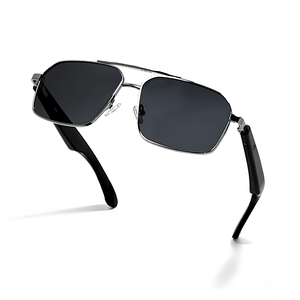
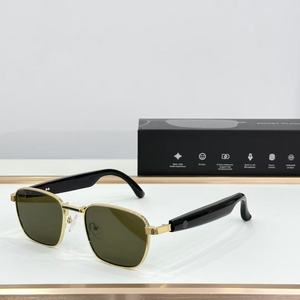
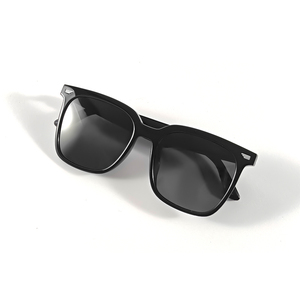
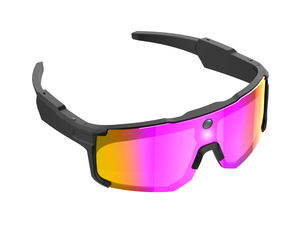
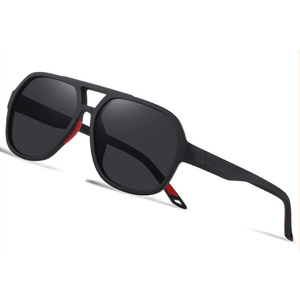
Consumer fatigue with traditional in-ear silicone tips—driven by concerns over ear-canal hygiene, occlusive effect pressure, and environmental situational isolation—has catalyzed explosive demand for open-ear form factors. Leading factories are utilizing reverse-phase acoustic wave cancellation technology. By placing micro-speakers in custom-angled acoustic chambers above the pinna, sound waves are directed precisely into the auditory canal while cancelling out-of-phase leakage sound waves. This yields rich spatial sound with virtually zero sound spill to surrounding individuals. Products like the GT-31, GS01, and M02X series exemplify this fusion of fashion eyewear and personal audio engineering.
2. On-Device AI Micro-Hardware & Computational Acoustics
The miniaturization of Neural Processing Units (NPUs) and low-power AI inferencing microcontrollers allows earbuds and smart audio glasses to process complex natural language commands locally. Modern OEM specs increasingly request integration with ambient AI assistants. Micro-cameras (such as 8MP sensors embedded into glasses frame temples) capture visual data, transmit it via low-energy Wi-Fi or Bluetooth to paired smartphone applications, and deliver real-time visual-to-audio translations directly into the user's ears.
3. Advanced Battery Chemistry & Fast-Charging Safety Frameworks
Lithium-polymer battery safety remains a critical audit area for global importers. Top-tier factories have transitioned from standard liquid-electrolyte batteries to premium button-cell (coin cell) lithium batteries equipped with micro Protection Circuit Modules (PCMs). These prevent overcharging, deep discharge, and thermal runaway. Furthermore, quick-charge protocols allowing 10 minutes of charging to yield 2 hours of playback are now mandatory for competitive Amazon and retail positioning. All battery packs must be backed by UN38.3, MSDS, and IEC62133 transport and safety test certifications.
4. Modular Private Tooling and Sustainable Materials (PCR)
As environmental regulations tighten—particularly within the European Union under the Ecodesign for Sustainable Products Regulation (ESPR)—factories are adapting their moulding processes. Procurement teams are requesting Post-Consumer Recycled (PCR) polycarbonate and ABS plastics for earbud cases and frame bodies. Additionally, modular structural designs that allow easy replacement of worn battery cells or silicone seals are shifting from a niche novelty into a core procurement requirement.
Enterprise Advantage: Why Partner with Awia Electronic Commerce Co., Ltd.?
Founded in 2014 in Shenzhen, Guangdong, China, Awia Electronic Commerce Co., Ltd. has established itself as an authoritative manufacturer and global supply partner specializing in AI smart glasses, AMOLED smartwatches, smart fitness bands, and high-performance wireless audio systems. Operating over 2,000 square meters of dedicated production and assembly space, Awia bridges the gap between complex technological engineering and flexible commercial terms.
Low Sample MOQ & Rapid Validation
Unlike rigid industrial assemblers requiring 3,000-unit minimums just to test build quality, Awia supports stock sampling from 1 single piece. Validate app connection, battery drain, micro-camera output, and audio fidelity before committing capital.
Complete Certification & DoC Portfolio
Every product family ships with complete testing documentation including CE, FCC, RoHS compliance reports, and EU Declaration of Conformity (DoC). Air and sea shipping battery documentation (MSDS, UN38.3) is maintained up-to-date.
In-House Tooling & Full OEM/ODM Service
Equipped with an dedicated mould tooling shop, hardware engineers, and industrial designers, Awia provides end-to-end custom packaging design, logo silk-screening, custom watch face programming, multi-language UI, and proprietary private-mould development.
Verified Supply Chain & Rapid Dispatch
Assessed on-site by independent verification agencies (TÜV Rheinland), Awia maintains an 85.2% rapid response rate, 4.7/5 buyer satisfaction score, and ready-to-ship Shenzhen warehouse inventory supporting Amazon and TikTok Shop dropshipping.
Standard Operating Procedures for Technical Quality Audits (QC Pipeline)
To ensure high Reliability and zero out-of-box failure rates (DOA < 0.1%), professional procurement officers must understand the standard multi-stage Quality Control pipeline executed by certified wireless audio factories:
- IQC (Incoming Quality Control): Inspection of raw PCBAs, chipsets, dynamic driver speakers, battery cells, microphone capsules, and plastic raw materials against engineering drawings and AQL 1.0 standards.
- SMT Optical Inspection: Automated Optical Inspection (AOI) checking for solder bridge defects, missing components, or alignment errors on high-density earbud mainboards.
- Acoustic & Electro-Audio Testing: Artificial ear acoustic simulator measurement testing frequency response curves (20Hz – 20kHz), Total Harmonic Distortion (THD), and active noise cancellation depth curves.
- RF & Bluetooth Antenna Calibration: Anechoic chamber wireless testing verifying power output, receiver sensitivity, and omnidirectional radiation pattern consistency.
- FQC & Life Cycle Aging: 100% full-function testing followed by 4-to-8 hours of continuous play aging tests, micro-drop testing, button actuation cycle testing, and IPX environmental water spray testing.
- OQC (Outgoing Quality Control): Final packaging check, barcode validation, serial number tracking, and master carton drop testing (ISTA 1A standard) before container loading.