AI Powered
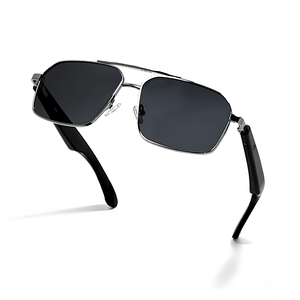
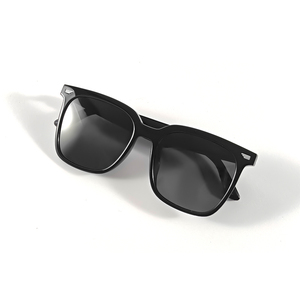
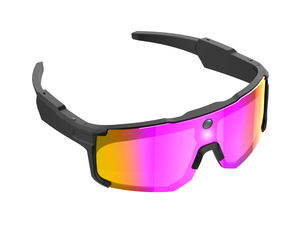
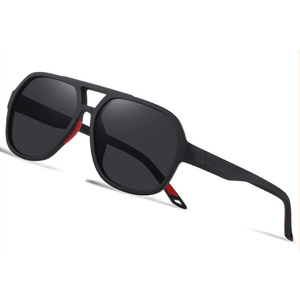
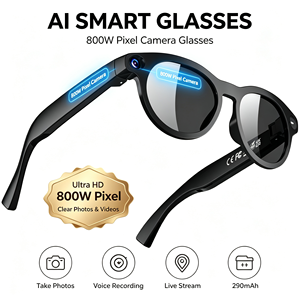
GT-31 AI Assistant Smart Audio Sunglasses with Noise Cancelling
- Bluetooth 5.3 & Voice Assistant
- Active Noise Reduction Mic
- UV400 Polarized Protection
 AWIA
Smart Wearable Factory
AWIA
Smart Wearable Factory
Explore our top-performing ODM/OEM wearable platforms, rigorously tested and certified for immediate global distribution and ecommerce fulfillment.
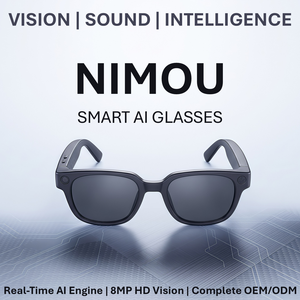
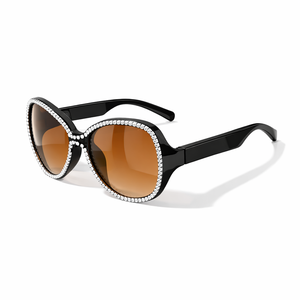
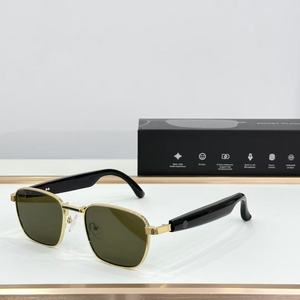
The global wearable technology market is experiencing a structural evolution. Driven by advancements in miniaturized System-on-Chip (SoC) architectures, generative artificial intelligence integration, and advanced biometric sensing arrays, consumer demand has transitioned from basic step-counting fitness bands to highly sophisticated smart eyewear, AI-assisted open-ear audio glasses, and advanced AMOLED health-monitoring smartwatches. For global B2B importers, brand owners, retail chains, and ecommerce operators, navigating the ecosystem of China wholesale wearable electronics manufacturers and factories requires a rigorous understanding of hardware integration, supply chain geography, intellectual property management, and international compliance standards.
The concentration of component vendors, surface-mount technology (SMT) lines, optical assembly cleanrooms, and testing labs in Shenzhen creates an unparalleled fast-turnaround prototyping environment. A typical smart wearable device relies on a highly complex micro-electronic assembly, including low-power Bluetooth microcontrollers (Nordic Semiconductor, Realtek, or Bestechnic), MEMS microphones, micro-speakers, optical PPG sensors, linear haptic motors, and lithium-polymer batteries. Operating within close proximity to component fabricators allows Shenzhen factories to transition an initial industrial design (ID) concept to mass production within 45 to 60 days, compared to 6 to 9 months in traditional electronic manufacturing hubs elsewhere in the world.
Strategic insights into key hardware advancements, optical wave-guide innovations, and edge-AI integration shaping the next decade of wearable devices.
The integration of Large Language Models (LLMs) like ChatGPT, Claude, and specialized translation engines directly into smart glasses and earwear represents a massive paradigm shift. Microphones paired with real-time neural network noise suppression allow wearers to perform live language translation, contextual object recognition via embedded camera sensors (e.g., 8MP/4K optical modules), and voice-driven command execution without touching a smartphone screen.
Next-generation smart optical eyewear is transitioning rapidly from basic audio-only sunglasses to heads-up display (HUD) smart glasses. Micro-OLED panels paired with diffraction optical waveguides offer ultra-high brightness (>2,000 nits) and light transmission (>85%), enabling crisp navigation graphics, message teleprompting, and visual notifications while maintaining the aesthetic footprint of traditional prescription frames.
Health tracking is evolving beyond basic photoplethysmography (PPG). Modern wearable smartwatches and smart rings now incorporate multi-wavelength optical sensors capable of continuous blood oxygen (SpO2) tracking, electrocardiogram (ECG) waveform recording, stress index calculation via galvanic skin response (GSR), and precise sleep architecture classification. Factory calibration and algorithmic optimization are now crucial manufacturing benchmarks.
To help B2B buyers evaluate potential inventory additions, the table below provides a detailed technical comparison of the prevailing wearable electronics hardware architectures produced in qualified Shenzhen factories.
| Wearable Category | Core Chipset Architecture | Primary Sensor Stack | Average Battery Life | Target B2B Wholesale Market |
|---|---|---|---|---|
| AI Camera Smart Glasses | Bestechnic / Qualcomm Snapdragon AR | 8MP Image Sensor, 6-Axis IMU, Dual Beam Mics | 4–6 Hours Active (36 Hours with Case) | Action Sports, Creator Economy, Tech Retail |
| AI Open-Ear Audio Glasses | Realtek BLE 5.3 / Action Semi | Capacitive Touch, Noise-Canceling MEMS Mic | 8–12 Hours Continuous Audio | Lifestyle Eyewear, Prescription Optical, Corporate Gifts |
| AMOLED GPS Smartwatches | ATS3085L / Dual-Core Low-Power MCU | Dual-Band GPS, Multi-Channel PPG, Barometer | 7–14 Days Standard Use | Outdoor Sports, Fitness Brands, Consumer Electronics |
| Screen-Free Fitness Bands | Nordic nRF52840 System-on-Chip | 3-Axis Accelerometer, Continuous PPG Sensor | 14–30 Days Extended Standby | Corporate Wellness, Health Insurance, Medical OEM |
Navigating compliance, low MOQs, custom tooling, and multi-channel fulfillment models for maximum profit margins.
Traditional electronics sourcing required massive initial commitments of 5,000 to 10,000 units per order. Modern tier-1 factories have restructured their assembly lines to support low sample MOQs starting from 1 piece for stock validation, and standard custom OEM production runs starting from 200 to 500 units. This agile model significantly reduces capital risk for e-commerce sellers on platforms like Amazon, TikTok Shop, and Shopify, allowing brand managers to validate real-world conversion metrics before scaling inventory.
To stand out in a saturated retail environment, brand owners increasingly require private-mould enclosures and customized hardware configurations. Leading OEM factories offer exclusive territory rights and non-disclosure agreements (NDAs). This ensures that custom tooling developed for a specific eyewear frame or watch housing remains proprietary to the client, guarding against unauthorized cloning and price degradation in western markets.
Regulatory scrutiny across Europe and North America has reached unprecedented levels. Qualified China manufacturers now provide complete compliance dossiers out of the box, including CE (EMC & LVD), FCC ID, RoHS 2.0, REACH, and EU Declarations of Conformity (DoC). Furthermore, lithium-polymer batteries integrated into wearable frames require UN38.3, MSDS, and IEC 62133 certifications to ensure seamless air cargo transit and customs clearance.
A smart wearable is only as strong as its companion software. Experienced factories maintain dedicated software engineering teams capable of modifying device UI, creating multi-language user manuals, re-skinning Android/iOS applications with proprietary brand logos, and managing Over-The-Air (OTA) cloud servers to push feature upgrades and bug fixes post-sale.
Over 11 years of specialized experience engineering, manufacturing, and exporting advanced wearable smart devices from Shenzhen, China.
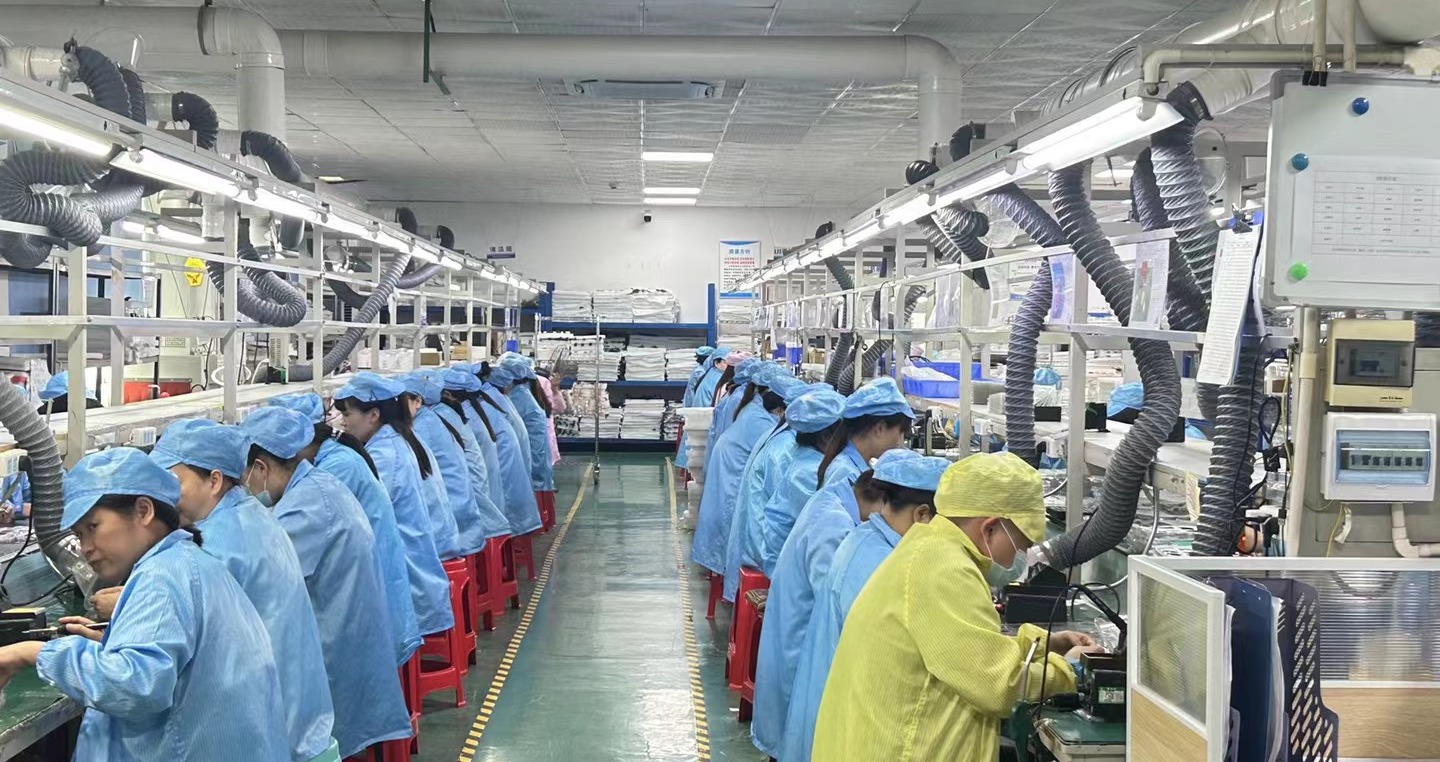
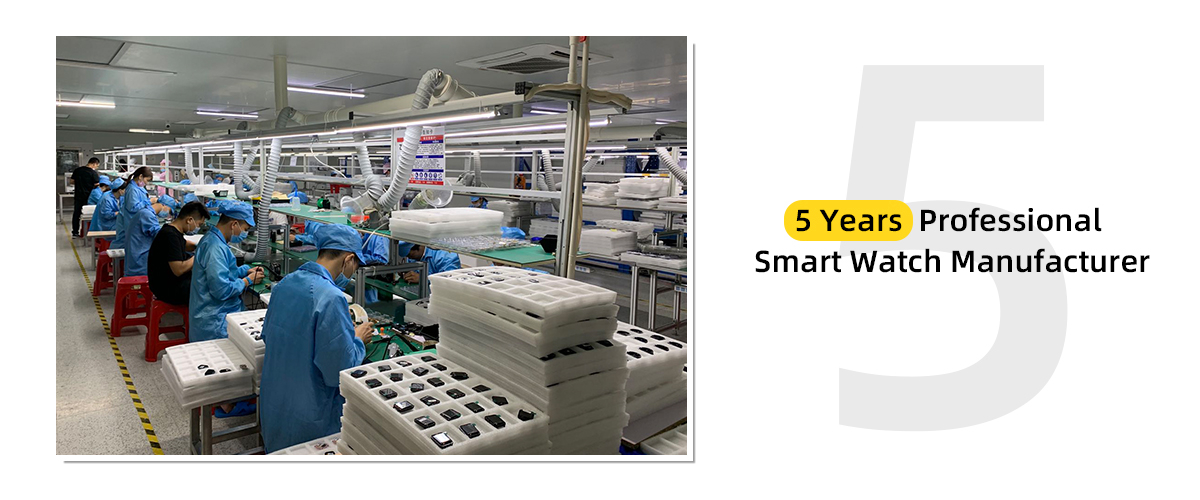
Founded in 2014, Awia Electronic Commerce Co., Ltd. operates state-of-the-art manufacturing facilities spanning over 2,000 square meters in Shenzhen, Guangdong. Operating as a verified supplier assessed on-site by TÜV Rheinland, Awia integrates industrial design, tooling development, SMT patch assembly, software development, and quality assurance under one rigorous management system.
Awia's core philosophy centers on being an Energetic Healthy Partner to global distributors, wholesalers, and e-commerce brands. By holding direct engineering oversight during initial design, component selection, and acoustic tuning, Awia ensures that every piece of hardware delivers consistent battery longevity, ergonomic comfort, and precise health metrics.
Direct technical and commercial answers addressing common buyer inquiries regarding production, MOQ, customization, and warranty terms.
For ready-to-ship stock models in neutral packaging, our minimum order quantity starts at just 1 piece, allowing buyers to evaluate physical construction, audio clarity, and companion app performance. Standard OEM customization (logo printing, custom silk-screening, and personalized gift boxes) typically starts at 200 to 500 units per SKU. Fully customized ODM projects requiring private plastic injection moulds or tailored PCB layout design generally require an initial commitment of 1,000 units.
All our flagship wearable devices ship with complete test documentation including CE (EMC & LVD), FCC ID, RoHS 2.0 compliance, and an EU Declaration of Conformity (DoC). For shipping logistics, we provide comprehensive battery safety packages including MSDS, UN38.3 test reports, and 1.2-meter drop test certifications necessary for smooth customs passage across European, American, and Asian ports.
We offer end-to-end software integration services. Our software engineers can customize device boot animations, hardcode brand logos into the UI, configure default system languages, and re-skin companion Android and iOS applications with your brand aesthetics. Additionally, we provide server support for over-the-air (OTA) software maintenance to ensure long-term firmware stability.
Yes. We maintain a large buffer inventory of neutral, high-demand smart glasses and AMOLED smartwatches in our Shenzhen warehousing facilities. We offer automated API integration for Shopify, Amazon, and TikTok Shop sellers, providing neutral, unbranded packaging and swift single-parcel dispatch directly to end consumers worldwide within 3 to 5 business days.
Standard evaluation samples are dispatched within 24 to 48 hours of confirmation. Small-to-medium OEM customized bulk orders (500 to 2,000 units) require 15 to 25 calendar days after artwork and golden sample sign-off. Comprehensive private-mould ODM projects typically require 45 to 60 days, covering industrial design approval, T1 sample molding, EVT/DVT reliability validation, and final mass production.
Quality control follows strict ISO9001 guidelines across four distinct stages: Incoming Quality Control (IQC) on raw micro-chips and batteries, In-Process Quality Control (IPQC) during SMT placement, 100% Automated Optical Inspection (AOI) on solder joints, and Final Quality Assurance (FQA). Every smart glass and watch unit undergoes a mandatory 4-hour battery burn-in test and IPX5/3ATM waterproof pressure testing prior to final boxing.
Whether you require off-the-shelf samples, white-label branding, or dedicated private-mould ODM engineering, our Shenzhen engineering team is ready to assist. Contact us today to receive factory-direct price sheets, compliance documentation, and technical briefs.
Direct Factory Contact: [email protected] | 24-Hour Response Guarantee