 AWIA
Smart Wearable Factory
AWIA
Smart Wearable Factory
AWIA
Smart Wearable Factory
AWIA
Smart Wearable Factory
Engineered in Shenzhen for global brands, cross-border e-commerce sellers, and enterprise electronics distributors. Fully certified with CE, FCC, RoHS, and EU DoC compliance.
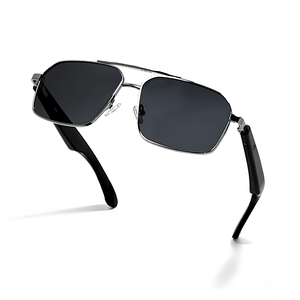
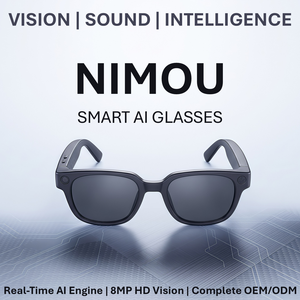
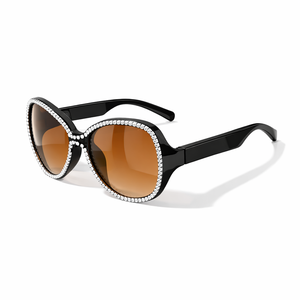
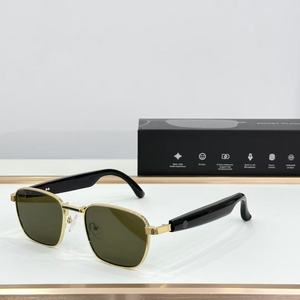
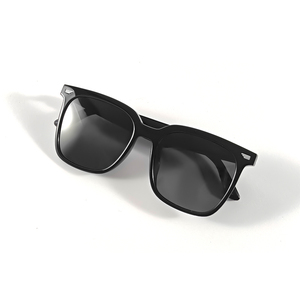
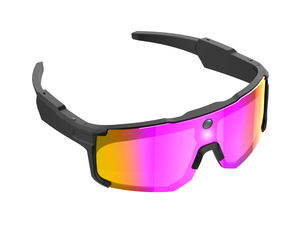
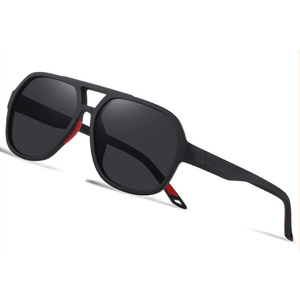
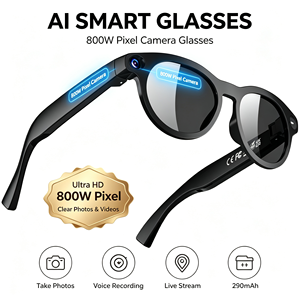
The global wearable technology ecosystem is undergoing a fundamental shift from simple activity tracking to AI-driven, multi-modal human-computer interaction (HCI). As hardware miniaturization advances alongside low-power Large Language Model (LLM) inference engines, smart wearables are rapidly taking over consumer digital touchpoints. For global brands, volume importers, and consumer electronics distributors, securing a reliable manufacturing partner in China—the heart of hardware innovation—is critical to achieving high market velocity and maintaining healthy profit margins.
As a verified premier Shenzhen smart wearables manufacturer established in 2014, Awia Electronic Commerce Co., Ltd. bridges the gap between disruptive technological innovation and scalable, high-yield mass production. This white paper outlines the core technological shifts, global procurement vectors, and quality management frameworks necessary to navigate the next decade of smart wearable hardware sourcing.
Integrating ChatGPT-class conversational interfaces and edge-processed real-time voice translation across 40+ languages directly into lightweight smart frames without cloud latency.
Deploying ultra-compact 8MP camera modules paired with EIS (Electronic Image Stabilization) and micro-WIFI chipsets for instant hands-free HD photo/video capturing and mobile album sync.
Advanced directional audio wave-guiding technology paired with dual Environmental Noise Cancellation (ENC) microphones, delivering rich stereo playback while maintaining spatial awareness.
Consumer demand has evolved beyond basic step counting into clinical-grade physiological tracking. Modern AMOLED smartwatches and smart rings now incorporate multi-channel Photoplethysmography (PPG) optical sensors, continuous SpO2 pulse oximetry, single-lead ECG wave analysis, and continuous skin temperature monitoring. Algorithms trained on extensive biometric data sets allow hardware to filter out motion artifacts during intensive outdoor exercises, offering actionable health intelligence in real time.
Battery longevity remains a primary purchase driver. The adoption of dual-core ARM Cortex-M architecture with dynamic frequency scaling enables wearables to run complex health algorithms and Bluetooth 5.3/5.4 LE audio protocol stacks while minimizing background power draw. Devices are engineered with custom high-density lithium polymer batteries and specialized Power Management Integrated Circuits (PMICs), granting ultra-light smart glasses up to 8 hours of continuous audio playback and AMOLED smartwatches up to 14 days of typical usage.
The adoption of Swiss-formulated TR90 memory polymer materials, titanium alloy hinges, and skin-friendly silicone rubber coatings ensures that high-tech smart audio glasses and smartwatches remain comfortable during extended wear. Precision injection molding technology allows housing components to achieve IP68 dust/water ingress resistance and 3ATM-5ATM swim-ready waterproof ratings, ensuring operational resilience across diverse environmental conditions.
To assist hardware procurement teams in choosing optimal platforms for their distribution networks, the table below breaks down technical specifications across primary wearable product categories:
| Product Category | Core Chipset Architecture | Optical / Audio Specs | Battery & Power System | Target B2B Channels |
|---|---|---|---|---|
| AI Camera Smart Glasses | Dual-Core DSP + WiFi 5.0 SOC | 8MP Sony Sensor / EIS / 1080P video | 280mAh Lens + 3600mAh Dock Case | Amazon Sellers, Tech Retailers, Outdoor Brands |
| Open-Ear Audio Glasses | Bluetooth 5.3 Low Energy Audio | Directional Speakers / Dual-Mic ENC | 120mAh Dual Batteries (Up to 8h music) | Fashion Eyewear Chains, Gift Catalog Distributors |
| AMOLED Outdoor GPS Watch | High-Performance Dual-Mode MCU | 1.43" 466x466 AMOLED / Dual GPS L1+L5 | 450mAh Battery (14 Days Standby / 5ATM) | Sporting Goods Chains, Telecom Operators |
| Screen-Free Fitness Band | Ultra-Low Power Nordic / Realtek MCU | Medical-Grade PPG Sensor / 3D G-Sensor | 90mAh Coin Cell (Up to 30 Days Battery) | Corporate Wellness, Fitness App Integrators |
In competitive retail markets, speed to market determines brand equity. Global buyers are moving away from rigid, long-cycle custom designs towards modular OEM/ODM platforms. By utilizing validated, pre-certified motherboard architectures and optical modules, brands can customize exterior mold finishes, colorways, packaging artwork, and app interfaces in as little as 15 to 25 days, reducing capital risk while ensuring immediate compliance.
Hardware competitiveness is heavily tied to software user experience. Importers increasingly require custom app development, multi-language UI localization, custom watch face design libraries, and seamless cloud API integrations. Providing SDK/API access for enterprise clients (such as insurance providers, health management platforms, and remote care developers) has become a key requirement in strategic vendor selection.
With regulations like the European Green Deal, REACH, and RoHS expanding worldwide, global buyers require total transparency in component procurement. Certified suppliers must supply comprehensive material safety data sheets (MSDS), UN38.3 lithium battery transport test reports, and official EU Declarations of Conformity (DoC) with every production batch to prevent custom hold-ups and ensure consumer safety.
Located in the hardware technology center of Shenzhen, China, Awia Electronic Commerce Co., Ltd. operates as a fully integrated research, design, and manufacturing enterprise. Our engineering team oversees the complete hardware lifecycle—from initial industrial design renderings and PCB schematic layout to tooling production, firmware tuning, and final assembly line quality control.
We own dedicated plastic injection and CNC machining equipment, offering brand owners exclusive private-mold protection to maintain distinct market differentiation and avoid price erosion.
Every device passes rigorous testing: high-temperature aging chambers, drop resistance, IPX5/IP68 water submersions, hinge fatigue testing, and 100% automated optical inspection (AOI) on PCBAs.
Supporting low minimum order quantities (MOQs from 1-2 pieces for sample verification), custom private labeling starting at 200–500 pieces, and label-free dropshipping for fast-growing online brands.
Direct technical and commercial answers for hardware buyers, importers, and brand managers.
Ready to launch your next smart glasses line, AMOLED outdoor watch project, or custom health tracking platform? Contact our engineering and export team today for technical datasheets, sample units, and wholesale price quotes.