 AWIA
Smart Wearable Factory
AWIA
Smart Wearable Factory
AWIA
Smart Wearable Factory
AWIA
Smart Wearable Factory
Explore our benchmark smart audio eyewear, AI visual assistants, and sport smart glasses built for global distributor networks, Amazon FBA sellers, and telecom brand owners.
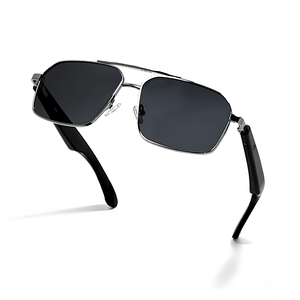
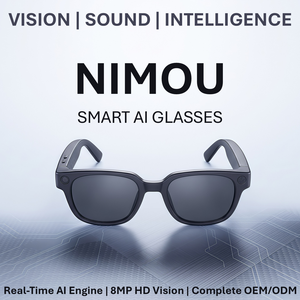
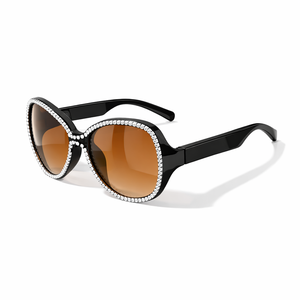
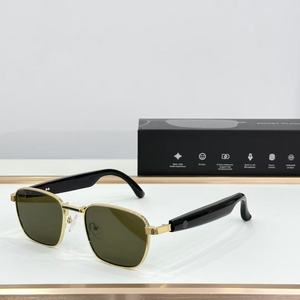
Authored by Awia Electronic Engineering & Global Compliance Group | Updated for 2025 Market Regulations
The global demand for consumer-grade wearable technology—specifically AI smart audio glasses, video recording sunglasses, AMOLED fitness smartwatches, and smart health rings—has shifted dramatically from luxury gadgets to mainstream daily accessories. However, for B2B importers, brand owners, and retail distributors targeting the European Union (EU) and global markets, securing products with genuine CE certification is not merely a legal requirement; it is the cornerstone of brand risk mitigation, market entry clearance, and long-term customer trust.
Under the European Union regulatory framework, smart wearable electronics fall under strict multi-directive compliance protocols. A compliant smart glasses SKU or smartwatch must strictly satisfy four core legislative pillars before bearing the CE mark:
Engineering smart glasses requires resolving an intense physical conflict: embedding sophisticated digital micro-electronics into an ultra-lightweight frame weighing under 45 grams, without sacrificing thermal dissipation, battery endurance, or acoustic precision. Over the past decade, Awia's Shenzhen R&D center has engineered breakthrough solutions across four core hardware domains:
Traditional earbud-based wearables block ambient environmental sounds, creating safety hazards for outdoor cyclists, drivers, and commuters. Our GT-31 and GS01 smart glasses utilize dynamic open-ear acoustic wave-guiding technology. Micro-speakers mounted on the frame temples channel directional sound waves directly into the user's ear canal using reverse soundwave cancellation algorithms. This minimizes sound leakage by up to 85% at maximum volume, preserving privacy during business phone calls while maintaining total spatial situational awareness.
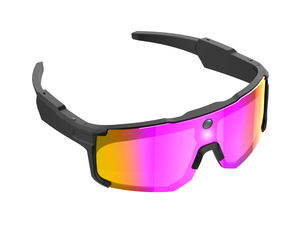
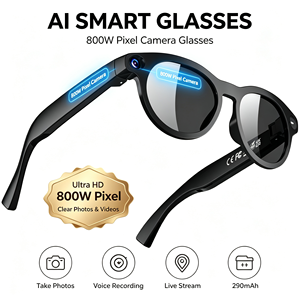
Integrating an 8MP or 4K camera into a 3.5mm spectacle temple introduces extreme thermal and power management challenges. Our camera-enabled AI smart glasses (such as the M02X and X01 platforms) leverage low-power System-on-Chip (SoC) architectures running embedded real-time video stabilization (EIS). Captured images are pre-processed at the edge before being transmitted via high-speed 2.4GHz Wi-Fi or Bluetooth to dedicated smartphone apps. This architecture enables instant OCR text translation, hands-free video recording, and multi-language AI voice assistant interactions (including ChatGPT API endpoints).
Battery longevity remains the primary friction point for wearable consumer adoption. Awia's custom dual-cell battery design embeds twin 110mAh high-density pure cobalt lithium-polymer batteries into both left and right temple arms, distributing frame weight evenly across the nose bridge (1:1 weight equilibrium). Coupled with magnetic pogo-pin fast-charging interfaces and high-capacity portable charging storage cases (1400mAh–3600mAh), users achieve up to 36 hours of total operational runtime.
| Hardware Architecture Component | Standard Market Specification | Awia Enterprise OEM/ODM Specification | B2B Procurement Advantage |
|---|---|---|---|
| Bluetooth Chipset | BT 4.2 / 5.0 Legacy SoCs | Nordic Semiconductor / BES2500 BT 5.3 + EDR | 30% Lower Power Consumption, Low Latency (<40ms) |
| Lens Optics & Frame Polymer | Standard PC Plastic / Acrylic Lenses | Swiss TR90 Memory Polymer + TAC UV400 Polarized | Hypoallergenic, High Impact Resistance, Anti-UV |
| Microphone System | Single Electret Mic | Dual MEMS Mics + ENC Noise Reduction Algorithm | Crystal-Clear Calling in 65dB Wind Noise Conditions |
| Camera Module | 720P Interpolated Sensors | Native 8MP Sony IMX CMOS with Hardware EIS | True HD Image Capture & Instant OCR Translation |
| Battery & Safety DoC | Generic Battery Labels | Sealed Pure-Cobalt Cell with MSDS, UN38.3, CE DoC | Zero Air Freight Customs Rejections Globally |
As the smart wearable market matures, commercial buyers must align their product portfolios with emerging end-user expectations and supply chain dynamics. Based on global export data across North America, Western Europe, and Southeast Asia, several critical sourcing trends have emerged:
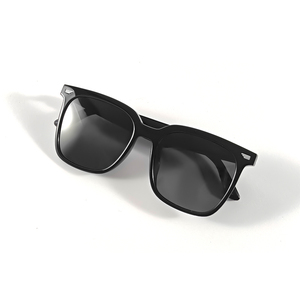
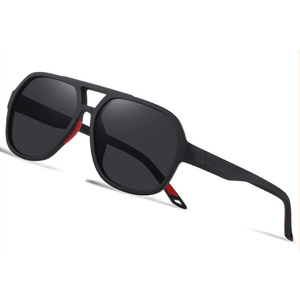
Consumers no longer want bulky futuristic visors. Sourcing demand has heavily shifted toward "stealth technology"—smart eyewear that visually mirrors high-end designer frames (such as classic Wayfarers, Aviators, or sleek Titanium optical frames) while concealing micro-speakers, touch ICs, and AI microphones. Furthermore, quick-release prescription lens structures allow opticians to insert prescription lenses seamlessly.
B2B importers are moving away from unbranded white-label hardware toward brand-locked ecosystems. Distributors increasingly require factory suppliers to offer SDK/API documentation, iOS/Android companion app custom reskinning, custom Bluetooth pairing broadcast names (e.g., displaying "YourBrand Audio" instead of generic device codes), and OTA (Over-The-Air) firmware update server support.
Retail buyers in Europe and the Americas require full supply chain transparency. Factory partners must prove ethical material sourcing, non-toxic skin-contact certifications, recyclable packaging designs, and minimal carbon footprint manufacturing workflows.
Selecting the optimal manufacturing tier depends on your distribution model, financial capital, and launch timeline. Review the decision matrix below to optimize your inventory procurement strategy:
Ideal for: Amazon sellers, TikTok Shop creators, boutique ecommerce testing.
Ideal for: Established regional wholesalers, electronics importers, fashion brands.
Ideal for: Telecom operators, tech conglomerates, unique patent holders.
Headquartered in the global electronics capital of Shenzhen, China, Awia Electronic Commerce Co., Ltd. has established itself since 2014 as a premier manufacturer and exporter of smart wearables. Built upon our core identity—Your Energetic Healthy Partner—our organization combines cutting-edge industrial hardware development with strict international trade compliance.
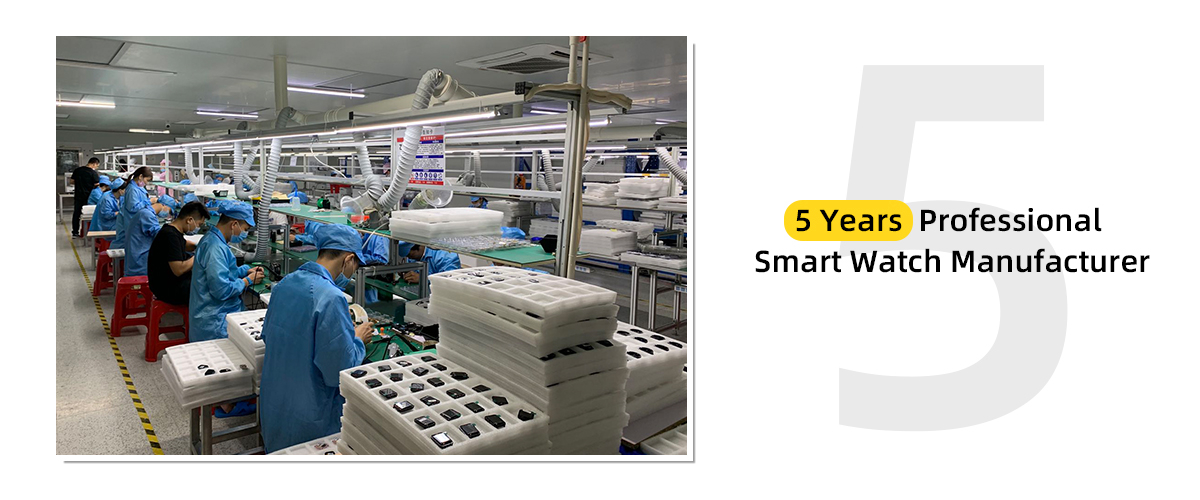
Unlike pure trading companies that outsource production to unverified workshops, Awia operates over 2,000 square meters of specialized assembly facilities, complete with an in-house mould tooling shop, SMT surface placement lines, and advanced acoustic test chambers.

Direct technical and operational answers to assist wholesale buyers, product managers, and supply chain directors.
Connect with Awia's enterprise engineering sales team today. Receive direct factory pricing, request pre-certified samples, or request a custom OEM feasibility analysis within 24 hours.
Contact Us