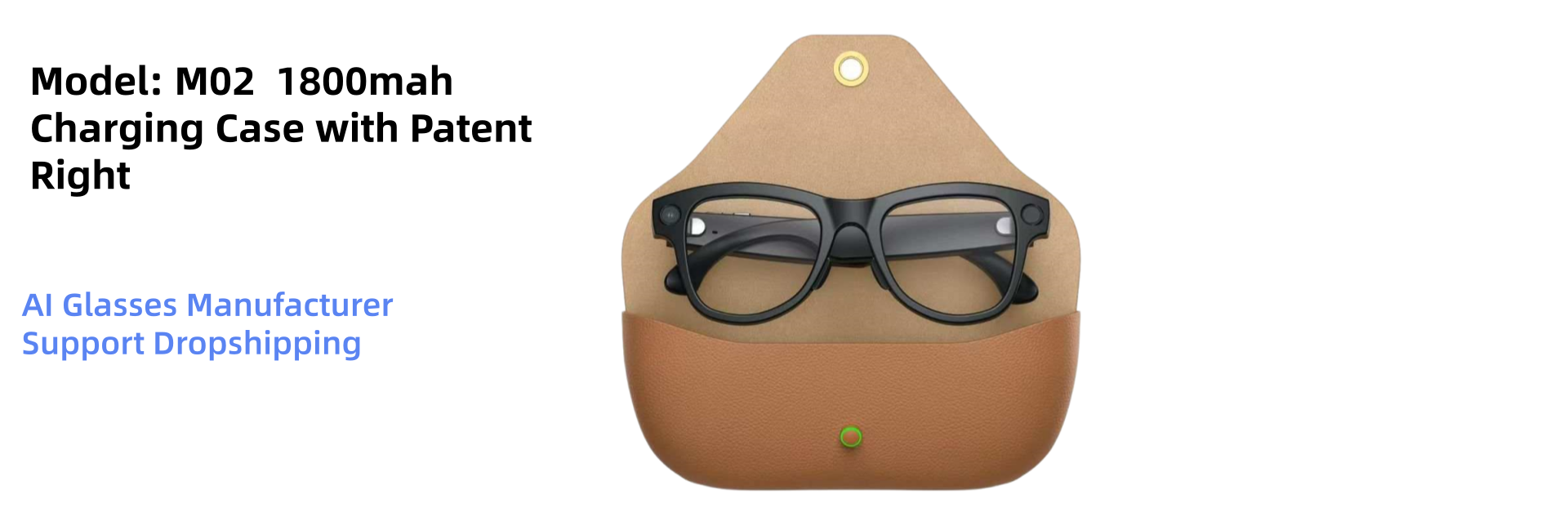
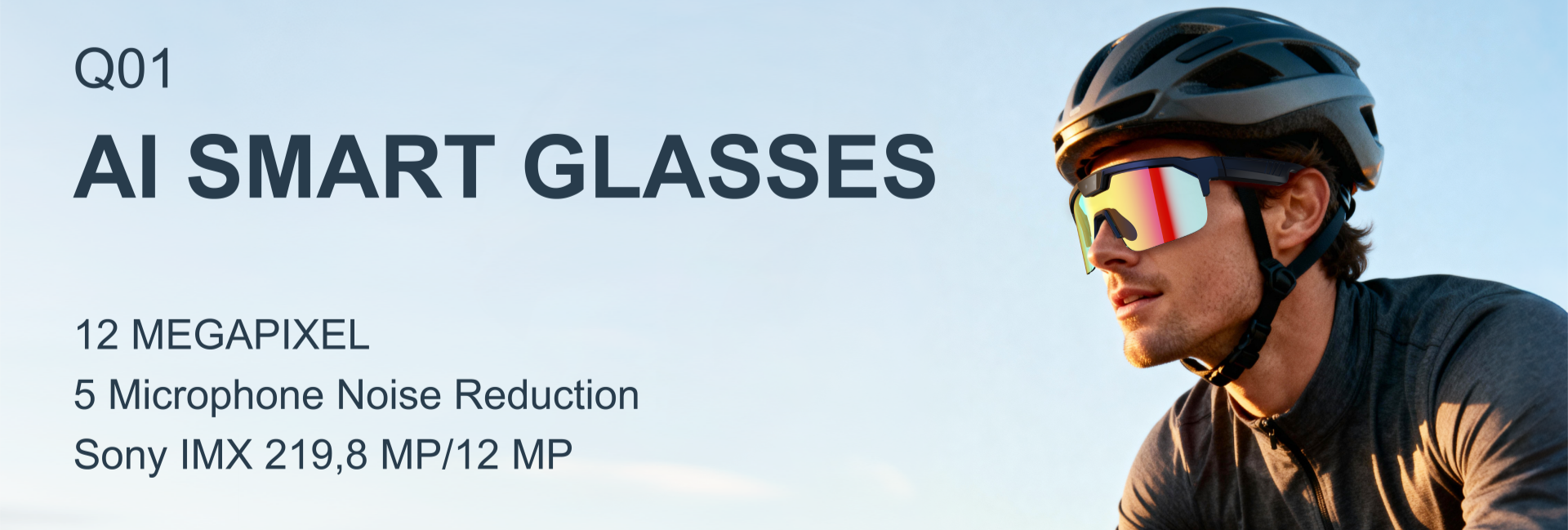
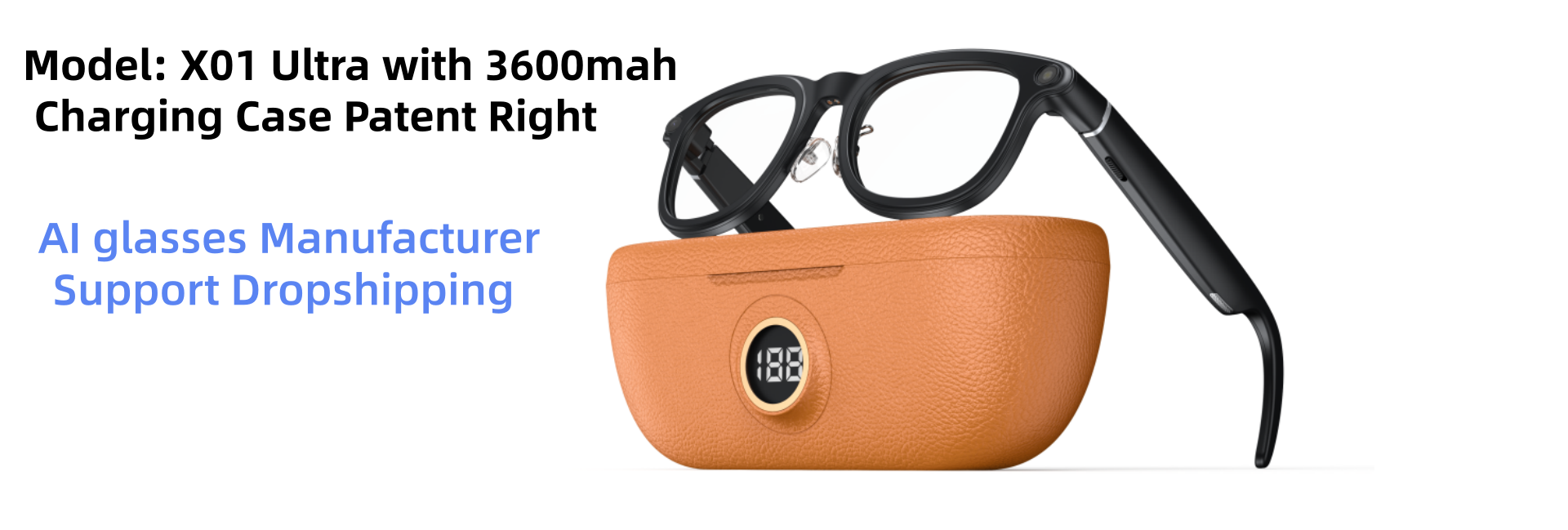
M02X AI Smart Glasses 8MP Anti-Shake
Camera eyewear with voice AI assistant, WiFi transfer and image translation — engineered for resale-ready branding.
- AI Glasses Manufacturer
- OEM / ODM
- Dropshipping Ready
Camera eyewear with voice AI assistant, WiFi transfer and image translation — engineered for resale-ready branding.
ChatGPT-class voice assistant, 40+ language translation and hands-free capture in one lightweight frame.
4K / 1080P capture, interchangeable sunglass lenses and a pocket charging case for all-day shooting.
Own-tooling platform with 8MP camera, anti-shake stabilisation and exclusive territory options for brands.
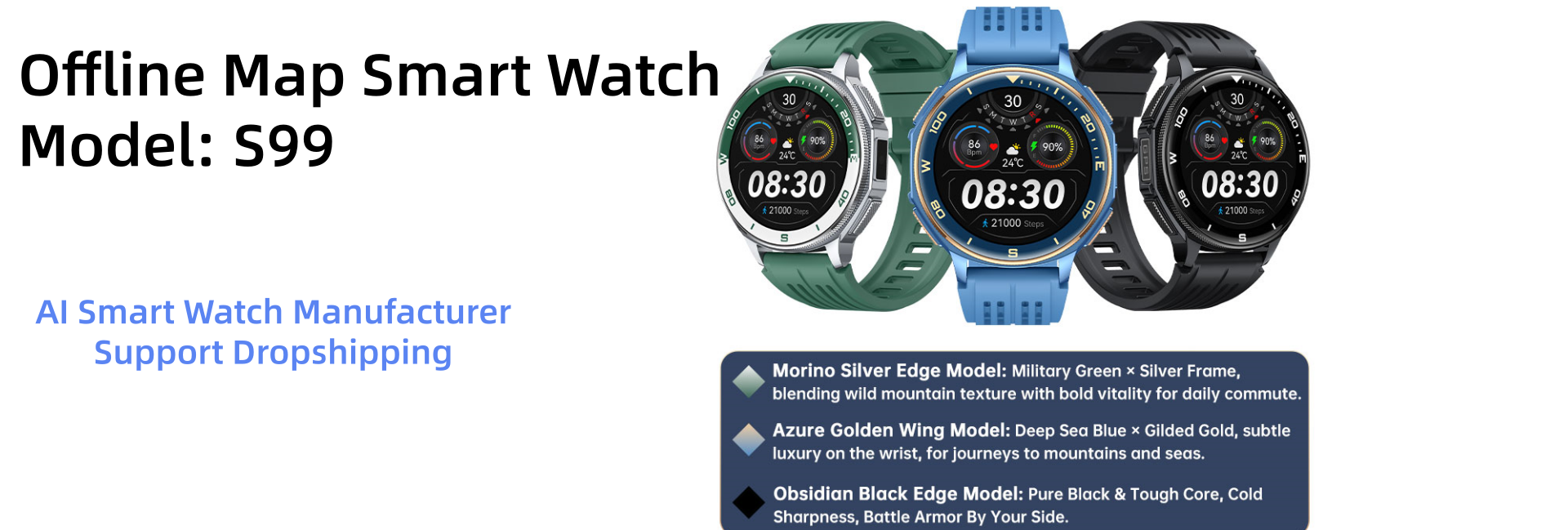
1.43" AMOLED, dual-frequency GPS, offline maps, 170 sport modes and stainless-steel build.
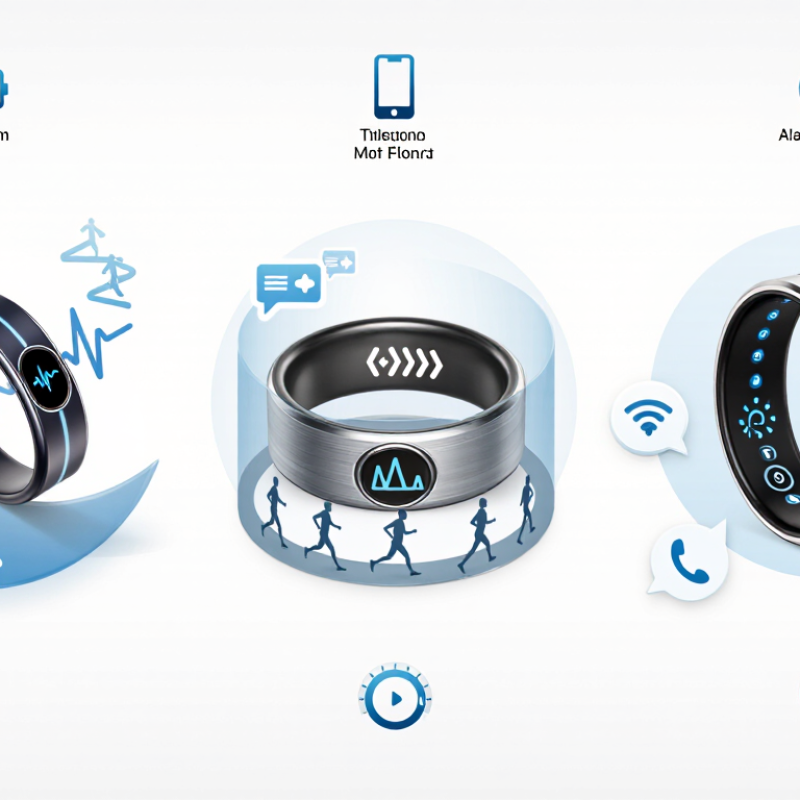
A Smart Fitness Ring can look like a simple band, but different models emphasize different kinds of tracking. Some focus on sleep and recovery, using overnight heart-rate trends, skin temperature, and movement to estimate how the body rests. Others prioritize daily activity, recording steps, workouts, and periods of inactivity. A third group combines these features with notifications or contactless payments, aiming to serve as a compact alternative to a smartwatch. The categories overlap. That matters.
For readers comparing ring types, the useful question is not which one has the longest feature list, but which measurements fit everyday habits. Someone who runs before work may value workout tracking and battery life; a person who wants fewer screen interruptions may prefer discreet sleep and wellness summaries. Materials, sizing, app clarity, and comfort also deserve attention. A ring that feels tight during a warm night can be difficult to wear consistently.
Most consumer rings provide estimates, not medical diagnoses. Sensor readings can vary with fit, skin contact, movement, and individual differences, so trends are generally more useful than one unusual score. Even then, the numbers do not explain everything. This guide compares the main types of smart fitness rings, the features they commonly offer, and the trade-offs shoppers should examine before choosing one. Some distinctions are imperfect, but they can make a crowded market easier to understand.
A smart fitness ring is a small wearable that turns finger-based sensor readings into estimates of daily activity and recovery. Its optical sensors commonly track pulse patterns, while accelerometers detect movement and stillness. Some models also measure skin temperature changes. Together, these signals can support estimates of heart rate, sleep duration, activity, and heart-rate variability. They are measurements, not diagnoses.
The American College of Sports Medicine’s 2024 Worldwide Survey of Fitness Trends ranked wearable technology first among 45 trends. That finding signals broad professional interest, but it does not prove every device is accurate. For rings, snug fit matters: a loose band can disrupt optical readings, especially during exercise. Useful, but not magic. A ring may suit someone who wants overnight sleep and recovery tracking without wearing a watch. A strength-training user may find it less convenient when gripping a barbell. The data can reveal patterns, such as a higher resting pulse after a poor night’s sleep, yet it cannot explain the cause on its own. Even temperature shifts need context; room heat, illness, and menstrual cycles may affect them. Metrics are most helpful when users compare consistent trends, not one restless night. And honestly, daily scores can feel more precise than the underlying estimates deserve.
| Ring Type | Typical Sensors | Common Metrics | Primary Use Cases | Practical Considerations |
|---|---|---|---|---|
| Sleep and Recovery Rings | Optical heart-rate sensor (PPG), accelerometer, and skin-temperature sensor; some models also include an oxygen-saturation sensor. | Sleep duration and stages, overnight heart rate, heart-rate variability (HRV), breathing rate, skin-temperature trends, and recovery estimates. | Reviewing sleep patterns, monitoring overnight trends, and deciding when to prioritize rest or lighter activity. | Sleep stages and recovery scores are estimates, not medical diagnoses. Consistent wear and a comfortable fit support more useful trend tracking. |
| Activity and Movement Rings | Accelerometer and gyroscope, often paired with an optical heart-rate sensor. | Steps, movement duration, activity intensity, estimated calorie expenditure, and heart rate during selected activities. | Tracking everyday movement, walking, general exercise, and activity habits over time. | Wrist or finger movement can affect step estimates. Most rings do not have built-in GPS, so route and distance tracking may rely on a connected phone. |
| Heart-Rate and Cardio Trend Rings | Optical PPG sensor and accelerometer; some devices offer an ECG feature using electrical contacts. | Resting heart rate, heart-rate trends, HRV, and, on supported devices, an ECG recording. | Following personal cardiovascular trends and viewing heart-rate responses to daily activity or exercise. | Optical readings can be less reliable during vigorous movement or when the ring fits poorly. ECG availability and intended use vary by device and region; readings are not a substitute for clinical care. |
| Stress and Wellness Rings | PPG sensor, skin-temperature sensor, and accelerometer. | HRV, resting heart rate, temperature trends, breathing-related estimates, and app-generated stress or readiness indicators. | Noticing changes in daily strain, rest, and recovery patterns and building routines around those trends. | Stress scores are indirect estimates based on sensor signals and algorithms. They cannot determine the cause of stress or diagnose a health condition. |
| Cycle and Temperature-Tracking Rings | Skin-temperature sensor, PPG sensor, and accelerometer. | Nightly temperature trends, cycle-related estimates, resting heart rate, and sleep-related patterns. | Logging menstrual-cycle patterns and observing changes in temperature and other wellness signals across a cycle. | Cycle predictions are estimates and can be affected by illness, travel, irregular sleep, and other factors. A ring should not be assumed to provide contraception or confirm pregnancy. |
| Multi-Purpose Fitness and Wellness Rings | A combination of PPG, accelerometer, gyroscope, and skin-temperature sensors; additional sensors depend on the model. | A mix of sleep, heart-rate, HRV, activity, temperature, and recovery metrics. | People who want a compact wearable for monitoring several daily wellness and fitness trends in one device. | Sensor sets, app features, battery life, and measurement availability differ. Check which metrics are actually supported rather than assuming every ring tracks every measure. |

How to interpret the categories: These types are grouped by their main use case, and many rings span more than one category. Smart rings commonly use motion and optical sensors to estimate trends; they are not all medical devices, and their measurements may differ from clinical equipment.
Sleep-focused smart rings are designed to track overnight patterns without a bulky wrist device. A ring can record movement, skin temperature trends, and pulse-related signals while you sleep. Some models claim up to eight days per charge. Treat that figure as an estimate, not a guarantee. Battery life may fall when you enable frequent measurements, use connected features, or wear an older device. That sounds tidy, though real life is messier.
For useful sleep insights, consistent wear matters more than a single impressive score. A loose fit can affect sensor contact, while a ring that feels tight may disturb sleep. Look for patterns across several nights, such as later bedtimes after evening coffee or restless sleep in a warm room. These readings can support personal tracking, but they do not diagnose sleep disorders. Share persistent concerns with a qualified health professional.
Tips: Charge the ring during a shower or morning routine, and check its fit before bed. Keep a simple sleep note beside the app. If the battery drops faster than expected, review settings and charging habits before assuming the device is faulty.
Activity-focused smart rings are designed to track everyday movement without the feel of a wristwatch. One model is rated for up to seven days of battery life, a useful target for people who want to wear it through work, walks, and sleep. “Up to” is the important phrase. Frequent measurements, notifications, and syncing can shorten the time between charges.
That matters. A ring that lasts several days may make overnight wear easier, so users can collect sleep and recovery data without a nightly charging routine. It can also log steps and heart-rate trends, but those readings are estimates, not a diagnosis or a substitute for medical advice. Fit affects comfort and sensor contact; a ring that spins on your finger may produce less consistent readings. Check the sizing guidance and wear it snugly, not tightly.
Think about your own habits. If you take long hikes, enable continuous tracking, or often forget to charge devices, real-world battery life may differ from the advertised maximum. A short trial can reveal whether the ring fits your routine. The trade-off is easy to miss: a small, screen-free device feels unobtrusive, but its insights are most useful when you review them regularly and treat occasional gaps as normal.
Long-battery smart rings suit travelers, shift workers, and people who dislike nightly charging. One maker claims up to 12 days per charge. Treat “up to” as a best-case estimate, not a promise. Continuous oxygen sensing, frequent workouts, and repeated app syncing can shorten runtime. A small device still has trade-offs. Longer battery life matters only if tracking remains reliable.
IDC’s Worldwide Quarterly Wearable Device Tracker reported 534.6 million wearable-device shipments in 2024, a 6.1% year-over-year increase. This figure covers wearables broadly, not smart rings alone. It also says nothing about battery performance. That distinction matters: a large market does not prove a specific runtime claim. Battery comparisons are imperfect, since makers may use different settings and testing conditions.
Tips: Check whether the stated runtime includes sleep tracking and workouts. Charge fully, wear the ring for several days, and note the settings and battery level each morning. Compare results with the maker’s estimate, but treat your own test as a useful guide—not a lab measurement.
Smart fitness rings differ less by shape than by the signals they track and how clearly they explain them. For sleep, compare overnight heart-rate trends, breathing estimates, and temperature changes. A useful ring shows patterns across several nights, not just one score. Check whether the fit feels secure: a loose ring can interrupt readings, while a tight one may become uncomfortable.
Tips: Wear the ring on the same finger for several nights. Note late meals, travel, or hard training beside your sleep data. Small details matter. Don’t treat one poor score as a diagnosis.
For recovery, look for resting heart rate, sleep consistency, and clear explanations of uncertainty. Workout tracking varies: some rings estimate activity well but lack a screen for live pace or interval prompts. If you lift weights, check whether the ring stays comfortable and resists everyday scuffs. Compatibility matters too. Confirm that the app supports your phone’s operating system, permissions, and data exports before buying. A ring may sync steps yet omit detailed workout records. That distinction is easy to miss. Compare battery life, charging routines, and subscription requirements as part of everyday use; specifications can look convincing, but your routine is the real test.
Optical sensors track pulse patterns, while accelerometers detect movement and stillness. Some rings also measure skin temperature changes. These readings support estimates, not diagnoses.
It may estimate heart rate, sleep duration, activity, and heart-rate variability. Treat the numbers as clues, not exact answers.
It may be less convenient when gripping a barbell. A loose fit can also disrupt optical readings, especially during exercise. Fit matters.
It can show patterns, such as a higher pulse after poor sleep. It cannot identify the cause by itself. Context matters.
Room heat, illness, and menstrual cycles may affect temperature changes. One unusual reading may not mean much.
Compare consistent trends rather than focusing on one restless night. Daily scores can seem more precise than the estimates behind them.
One maker claims up to 12 days, but that is a best-case estimate, not a promise. Oxygen sensing, workouts, and app syncing may reduce runtime. Small device, real trade-offs.
Charge it fully, then wear it for several days. Note your settings and battery level each morning, including after sleep tracking and workouts. Your test is a guide, not a lab measurement.
A Smart Fitness Ring is a compact wearable that uses sensors to track signals such as movement, heart rate, skin temperature, and sleep patterns. Depending on its design and software, it can help users understand sleep quality, daily activity, recovery, and workout trends. Different ring types prioritize different needs: sleep-focused models emphasize overnight comfort and rest insights, while activity-focused options place more attention on movement and exercise tracking.
Battery life is another key difference. Some rings are rated for around seven or eight days per charge, while long-battery designs may claim up to twelve days, though actual use can vary. When comparing options, consider how accurately and clearly each ring presents sleep and recovery data, which activities it tracks, how often it needs charging, and whether it works with your phone and preferred health apps. The best fit depends on which features matter most in everyday use.