Awia Electronic Commerce Co., Ltd. AI Smart Glasses & Wearables Manufacturer since 2014
Shenzhen, Guangdong, China Verified Supplier & TÜV Rheinland Assessed Email: [email protected]
Awia Electronic Commerce Co., Ltd. logo AWIA Smart Wearable Factory
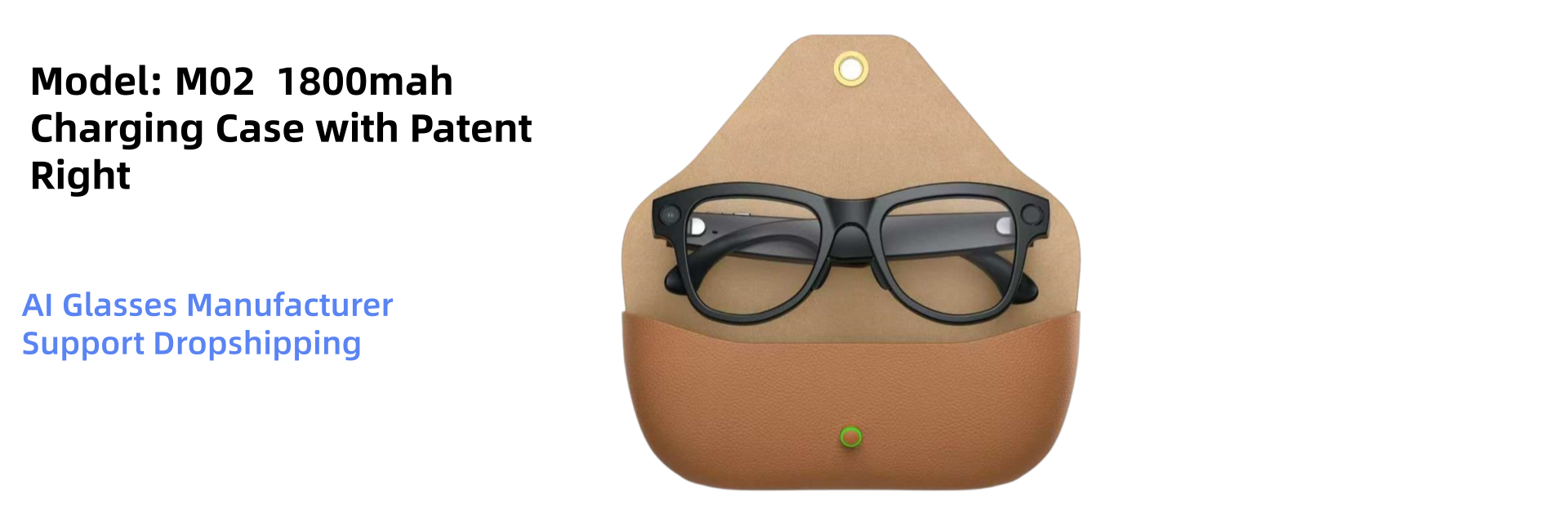
M02X AI smart glasses with 8MP anti-shake camera and charging case
Top Sales

M02X AI Smart Glasses 8MP Anti-Shake

Camera eyewear with voice AI assistant, WiFi transfer and image translation — engineered for resale-ready branding.

  • AI Glasses Manufacturer
  • OEM / ODM
  • Dropshipping Ready
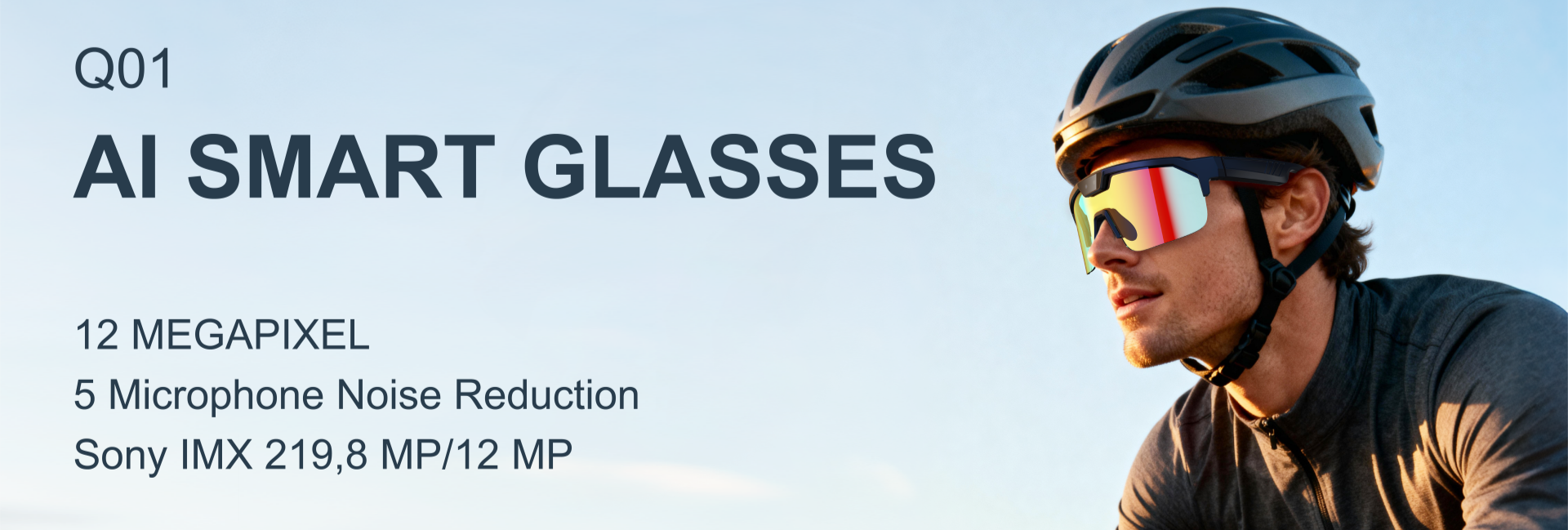
AI smart glasses product line with translation and ChatGPT voice assistant
AI Wearables

Real-Time Translation Eyewear

ChatGPT-class voice assistant, 40+ language translation and hands-free capture in one lightweight frame.

  • CE / FCC / RoHS
  • Custom Firmware
  • Private Mould
M02X Ultra 4K camera sunglasses with charging case
Amazon Hot Selling

4K Camera Sunglasses With Charging Case

4K / 1080P capture, interchangeable sunglass lenses and a pocket charging case for all-day shooting.

  • 4K Video
  • 3600mAh Case
  • Retail Packaging
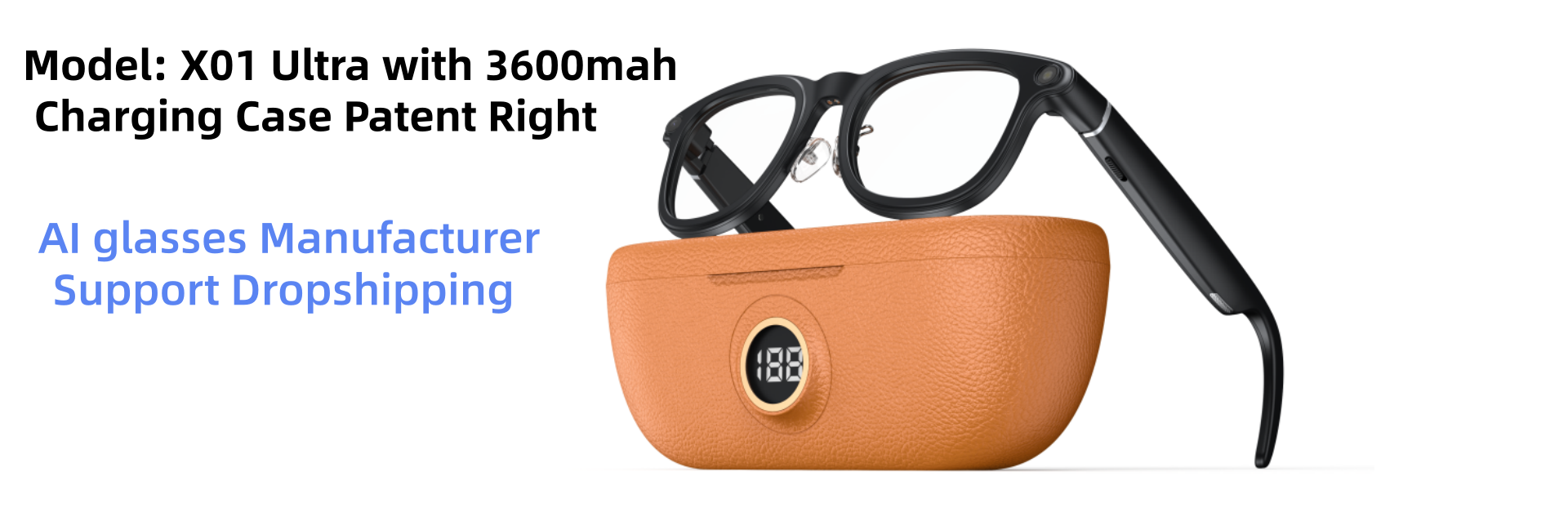
X01 smart AI glasses with charging case and voice assistant
Private Mould

X01 Glasses + Charging Case

Own-tooling platform with 8MP camera, anti-shake stabilisation and exclusive territory options for brands.

  • In-House Mould
  • Exclusive Design
  • Brand Support
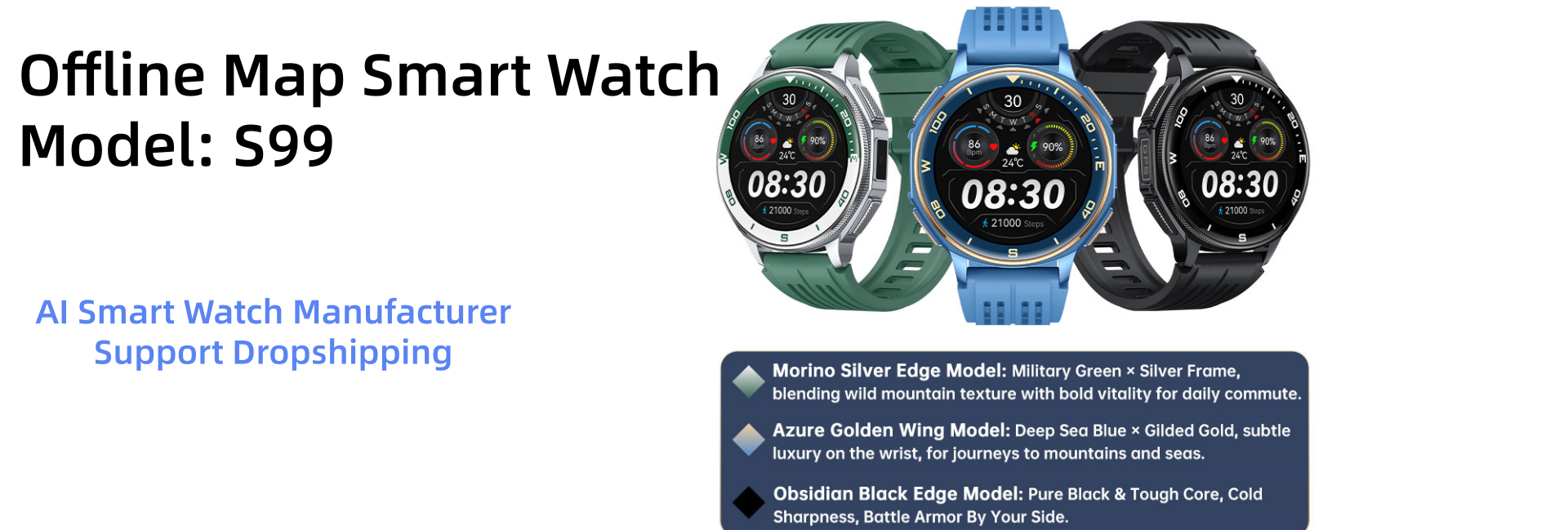
S99 AMOLED dual-frequency GPS outdoor smart watch
Outdoor Series

S99 AMOLED GPS Sport Watch

1.43" AMOLED, dual-frequency GPS, offline maps, 170 sport modes and stainless-steel build.

  • Offline Maps
  • 5ATM Rated
  • 170 Sport Modes
0%

China has become a major sourcing base for Real-Time Translation Smart Glasses, but supplier quality varies sharply. Some factories build complete devices. Others only assemble frames, microphones, or optical modules. This guide examines reliable Chinese suppliers through practical evidence, not attractive catalog images.

Thad Starner, a wearable-computing pioneer, has said, “Wearable computing should be available, accessible, and unobtrusive.” That principle matters here. A useful translation headset should feel light during a factory tour, capture speech in a noisy café, and display short phrases without distracting the user. Battery life, microphone placement, translation latency, lens clarity, and heat control deserve close attention.

Supplier evaluation also requires technical questions. Can the company demonstrate Mandarin-to-English translation under real background noise? Does it support offline functions? Which translation engine does it use? How are firmware updates managed? Buyers should request sample testing, inspection records, quality certifications, and clear warranty terms. Data handling deserves equal attention, especially when glasses record voices or connect with mobile applications.

No supplier is perfect. A low quotation may hide weak software support or inconsistent optical alignment. A famous manufacturer may still miss delivery deadlines. This article compares China-based suppliers by product capability, customization experience, communication quality, and after-sales reliability. The assessment remains practical rather than absolute. Market information changes quickly, and some claims require direct verification before purchase. That caution is necessary. Real-Time Translation Smart Glasses are still developing products, not magic devices.

China Top Real Time Translation Smart Glasses Suppliers?

What Are Real-Time Translation Smart Glasses?

Real-time translation smart glasses are wearable devices that combine microphones, speakers, cameras, and transparent displays. They capture spoken language, process it through speech recognition, and provide translated text or audio within seconds. Some models also display subtitles near the wearer’s normal field of view.

The experience feels practical in a busy airport, factory, or international meeting. A user may hear Mandarin while seeing English captions beside the speaker’s face. However, “real-time” does not mean instant or perfect. Background noise, accents, poor internet access, and technical vocabulary can create delays or incorrect translations. Speech is messy. Users should verify safety instructions, contracts, and medical information through qualified human interpreters.

Grand View Research reported that the global smart glasses market was valued at approximately USD 1.6 billion in 2023. The same report forecasts a 27.4% compound annual growth rate from 2024 to 2030. This growth is encouraging, but market projections are not proof of translation quality. Suppliers in China should therefore be evaluated by microphone performance, language coverage, offline capability, latency testing, battery life, and data protection practices.

Tips: Test glasses with regional accents and real workplace noise. Ask suppliers for measured translation delay, not advertising claims. Keep a human review process for important communication.

How Do Real-Time Translation Smart Glasses Work?

Real-Time Translation Smart Glasses: How Do They Work?

Real-time translation smart glasses combine microphones, cameras, speakers, and language software in a lightweight frame. The microphones capture nearby speech, even in a busy station. A processor separates voices from background noise. Speech-recognition software changes spoken words into text. Translation software then converts the meaning into another language. The glasses deliver the result through small speakers or an open-ear audio system. Some models also display translated text on a small lens screen. That visual layer helps when a train announcement sounds unclear.

The process often depends on a connected phone or cloud service. Internet access may improve translation quality, but it can add delay. Offline language packs help in airports, factories, or rural areas. However, accents, fast speech, slang, and overlapping conversations still cause mistakes. Short, clearly spoken sentences usually produce better results. This technology is not perfect. Users should confirm names, prices, medical details, and technical instructions before acting. Reliable suppliers should explain microphone performance, supported languages, data handling, battery life, and repair options. Independent testing matters more than attractive demonstrations.

Tips: Speak toward the wearer, pause between sentences, and reduce background noise. Check translated text when accuracy matters. Keep the glasses charged before long conversations. Test the chosen language pair in real conditions, not only in a quiet showroom.

China’s Leading Real-Time Translation Smart Glass Suppliers

China Top Real Time Translation Smart Glasses Suppliers

China’s leading real-time translation smart glasses suppliers combine optical design, speech processing, and wearable engineering. Experienced suppliers usually offer product samples before discussing large orders. This step reveals translation delay, microphone clarity, battery performance, and lens comfort.

A reliable supplier should explain its manufacturing process clearly. Ask about frame materials, speaker placement, charging cycles, and supported languages. Test the glasses in a busy café, not only inside a quiet showroom. Background noise can expose weak voice recognition. Small delays hurt. Accurate subtitles also require stable software and careful language training.

Professional suppliers provide clear inspection records, user manuals, and responsive technical support. They should discuss data handling in practical terms, especially when conversations pass through cloud services. Buyers should also verify applicable safety, radio, battery, and market-entry requirements independently. Documentation matters. Factory visits can reveal assembly discipline, storage conditions, and quality-control routines. However, no supplier is perfect. Some prototypes look impressive but struggle during long meetings or outdoor use. My own assessment would include repeated tests, different accents, and several lighting conditions. A supplier that welcomes criticism may be more dependable than one promising flawless performance.

China Top Real Time Translation Smart Glasses Suppliers? - China’s Leading Real-Time Translation Smart Glass Suppliers

Supplier Category Primary Strength Translation Architecture Typical Connectivity Optical Options Customization Scope Best Fit
OEM/ODM Wearable Manufacturer Hardware production, assembly, and private-label programs Cloud-based or hybrid translation through a connected mobile application Bluetooth and Wi-Fi; mobile-phone pairing is commonly required Clear, tinted, anti-blue-light, and prescription-compatible options may be available Logo, packaging, firmware interface, lens type, color, and user manual Retailers, distributors, and private-label importers
AI Wearable Technology Developer Speech recognition, machine translation, and companion software Cloud AI processing with speech-to-text, translation, and text-to-speech functions Bluetooth Low Energy, Wi-Fi, and smartphone data networks Display optics, audio output, or both, depending on product design Language packs, application interface, voice settings, wake words, and API integration Software companies, travel platforms, and enterprise communication projects
Optical Display Integration Supplier Microdisplay, waveguide, projection, and visual information modules Translation text is rendered visually after processing by a phone or cloud platform Usually integrated with Bluetooth, Wi-Fi, or a wired development interface Monocular or binocular displays, transparent lenses, and adjustable brightness Display position, brightness, field of view, lens curvature, and enclosure design Industrial, logistics, tourism, and hands-free information applications
Consumer Electronics Assembly Supplier High-volume assembly, quality control, and component sourcing Translation functionality is generally supplied through third-party software or an app Bluetooth 5.x, Wi-Fi, USB charging, and smartphone connectivity Standard optical frames with optional coated, tinted, or prescription-ready lenses Packaging, accessories, color, battery configuration, and assembly specifications Large-volume buyers seeking cost-efficient production
Enterprise Solution Integrator Deployment, software integration, training, and after-sales support Cloud translation, private APIs, or organization-specific language workflows Wi-Fi, cellular-connected smartphones, Bluetooth, and enterprise networks Display or audio-based designs selected according to the work environment Dashboard access, user management, terminology control, reporting, and device enrollment Hospitals, factories, hotels, airports, and multinational teams
Prototype and Small-Batch Supplier Rapid sampling, proof-of-concept development, and design validation Usually dependent on an external mobile application or cloud translation service Bluetooth, Wi-Fi, USB, and development-board interfaces Off-the-shelf frames, basic display modules, and limited lens customization Enclosure, user interface, selected components, firmware parameters, and sample packaging Startups, university projects, pilot programs, and early-stage product testing
Supplier evaluation note: Real-time translation performance depends on microphone quality, network availability, speech-recognition accuracy, supported language pairs, application software, battery capacity, and environmental noise. Buyers should request working samples, language-pair test results, connectivity specifications, compliance documents, warranty terms, and after-sales support details before placing an order.

Key Features and Technologies to Compare

China Top Real-Time Translation Smart Glasses Suppliers: Key Features and Technologies to Compare

China’s real-time translation smart glasses suppliers should be compared through tested performance, not promotional language. In practical trials, translation delay often matters more than screen brightness. Ask suppliers for latency results in quiet rooms, busy stations, and outdoor streets. A reliable system should capture speech clearly and display short phrases without blocking the wearer’s view. Test it yourself.

Language coverage matters. Check supported language pairs, accents, regional speech, and offline translation options. Some systems perform well online but weaken when connectivity drops. Microphone arrays should reduce surrounding noise. Speakers must deliver clear audio at comfortable volume levels. Camera-based text translation can help with menus and signs, but image processing should remain fast. Battery life, charging time, lens clarity, weight, and heat also deserve direct comparison. Comfort is not a minor feature.

Data protection requires careful questions. Confirm whether voice recordings leave the device, how long data remains stored, and whether users can delete it. Suppliers should provide firmware update procedures, technical documentation, sample units, warranty terms, and repair support. Ask for testing records and relevant market certifications. A clear supplier response signals stronger engineering discipline. Still, no specification sheet is perfect. Real users may discover glare, awkward controls, or inaccurate translations that laboratory tests miss. Evaluate several days of continuous use before making a purchasing decision.

China Real-Time Translation Smart Glasses: Technology Benchmarks

Comparing widely used connectivity standards helps evaluate translation glasses for audio streaming, cloud-based speech recognition, firmware updates, and low-latency data transfer. Values show theoretical maximum data rates defined by the relevant standards, not supplier or product performance.

Higher bandwidth can support faster data transfer, but real-time translation quality also depends on microphone performance, noise cancellation, speech-recognition accuracy, network coverage, processing latency, battery capacity, and language-model integration.

Applications and Selection Criteria for Smart Glasses

China Top Real Time Translation Smart Glasses Suppliers?

Smart glasses now support factory inspections, airport assistance, medical reception, tourism, and international trade. A translator can display short captions while the user watches a speaker’s face. This reduces phone handling in crowded terminals. MarketsandMarkets estimates the global smart glasses market may grow from about US$6.8 billion in 2024 to US$19.7 billion by 2029. That growth reflects wider enterprise adoption, but translation performance still varies sharply. Buyers should test accents, background noise, lighting, and technical vocabulary before ordering.

Selection requires more than language count. Check microphone placement, subtitle delay, battery duration, lens brightness, comfort, and offline functions. A useful trial includes a five-minute conversation beside machinery. Measure missed words, correction speed, and caption readability. Request documented accuracy results, update policies, warranty terms, and data-handling procedures. The International Data Corporation repeatedly identifies usability and security as major barriers in wearable adoption. A lightweight frame may outperform a feature-heavy model after eight hours of work. This is easy to underestimate.

Tips: Ask suppliers for live demonstrations, not edited videos. Test English, Mandarin, and regional accents separately. Confirm whether translations depend on a stable network. Review the privacy controls before workplace deployment. Do not trust a single accuracy percentage; real environments are messier. Even a strong device may confuse names, numbers, or noisy speech. Keep a human interpreter available for safety-critical communication.

FAQS

How do real-time translation smart glasses work?

Microphones capture nearby speech. A processor reduces background noise. Speech-recognition software converts spoken words into text. Translation software changes that meaning into another language. Small speakers deliver the translated result. Some models show captions on a lens screen.

Do translation glasses need an internet connection?

Many glasses depend on a connected phone or cloud service. Internet access may improve translation quality. However, it can create delays. Offline language packs help in airports, factories, and rural areas. Not always.

How accurate are these glasses?

Accuracy changes with accents, speed, slang, and background noise. Overlapping conversations can confuse the system. Short, clear sentences usually work better. Names, prices, and numbers still need confirmation. Noise changes everything.

Where can people use translation smart glasses?

Common settings include airports, factories, medical reception areas, and tourism sites. Users can read captions while watching a speaker’s face. This reduces phone handling in crowded terminals. A five-minute test beside machinery reveals more than a quiet showroom.

What features should buyers compare?

Check microphone placement, subtitle delay, battery duration, lens brightness, and frame comfort. Also review supported languages and offline functions. Ask about updates, repairs, warranties, and data handling. A lightweight frame may feel better after eight hours. That matters.

How can users improve translation results?

Speak toward the wearer. Pause between sentences. Reduce nearby noise when possible. Check translated text when accuracy matters. Keep the glasses charged before long conversations. Test the selected language pair in real conditions.

How should workplaces review privacy and security?

Ask whether speech or translated text reaches a phone or cloud service. Request clear data-handling procedures. Review privacy controls before workplace deployment. Suppliers should explain storage, access, and deletion practices. Security matters.

Can these glasses replace a human interpreter?

They should not replace human confirmation in safety-critical situations. Medical details, technical instructions, and payment information require extra care. Keep a qualified interpreter available when mistakes could cause harm. A polished demonstration can still mislead. The technology remains imperfect.

Conclusion

Real-Time Translation Smart Glasses combine wearable display technology, microphones, speakers, cameras, and language-processing software to help users understand spoken conversations across different languages. They capture speech through built-in microphones, convert it into text, translate it with intelligent language systems, and present the result through a lens display or audio output. Some models may also support subtitles, voice commands, image recognition, and offline language packs, depending on their design and processing capabilities.

China has become an important manufacturing center for these smart glasses, offering suppliers with different strengths in hardware development, optical engineering, software integration, customization, and production capacity. When comparing suppliers, buyers should evaluate translation accuracy, response speed, supported languages, battery life, display clarity, connectivity, comfort, privacy protection, durability, after-sales service, and certification compliance. Potential applications include tourism, international business, education, exhibitions, customer service, and cross-cultural communication. Selecting the right solution requires balancing performance, usability, data security, customization needs, and total cost.

Elowen

Elowen

Elowen is a dedicated marketing professional with a strong understanding of the company’s products, customers, and market landscape. Through a thoughtful combination of industry research, audience insight, and clear communication, Elowen helps translate complex product features into practical value......