M02X AI Smart Glasses 8MP Anti-Shake
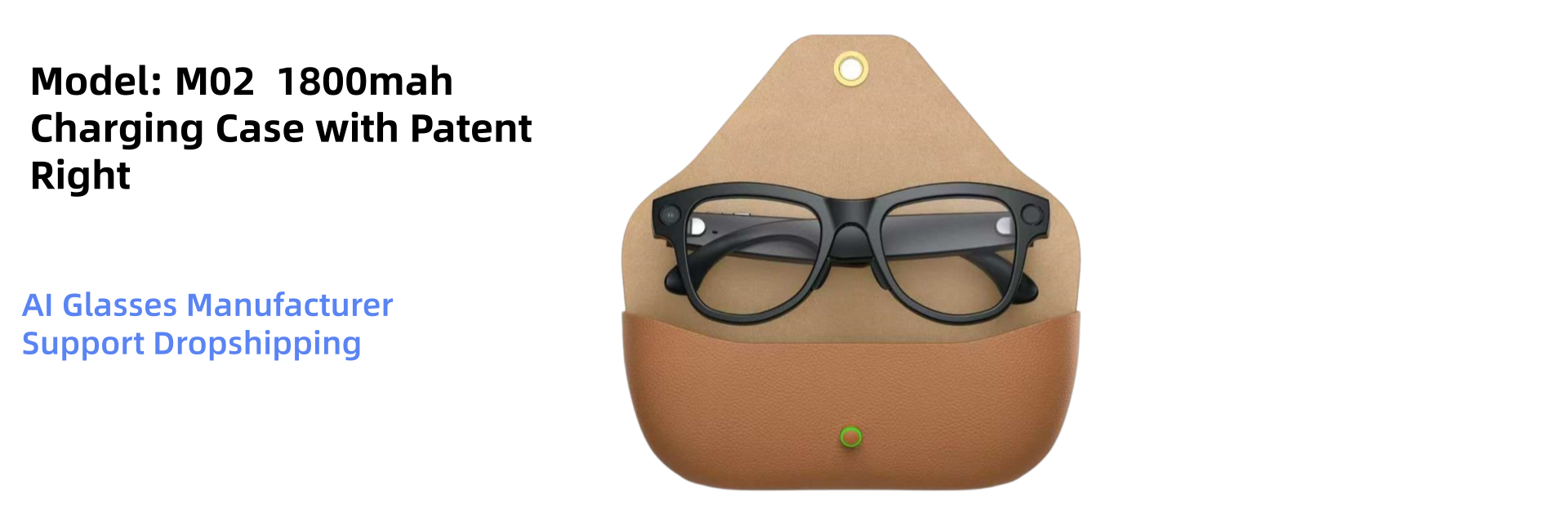
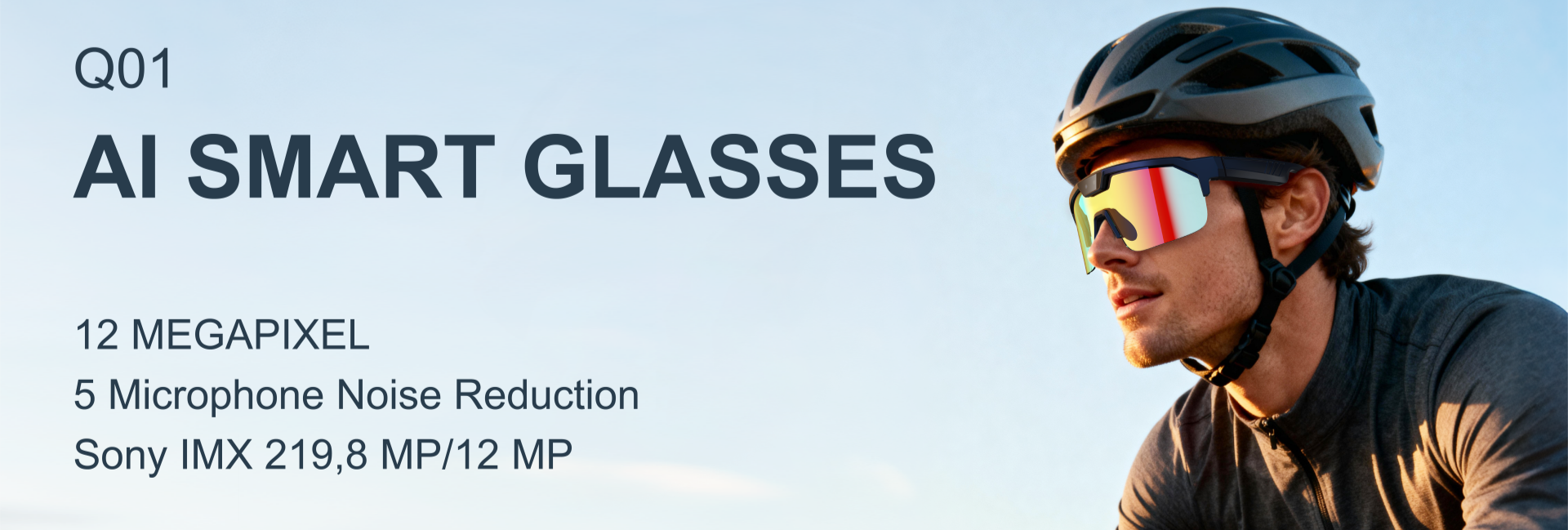
Camera eyewear with voice AI assistant, WiFi transfer and image translation — engineered for resale-ready branding.
- AI Glasses Manufacturer
- OEM / ODM
- Dropshipping Ready
Camera eyewear with voice AI assistant, WiFi transfer and image translation — engineered for resale-ready branding.
ChatGPT-class voice assistant, 40+ language translation and hands-free capture in one lightweight frame.
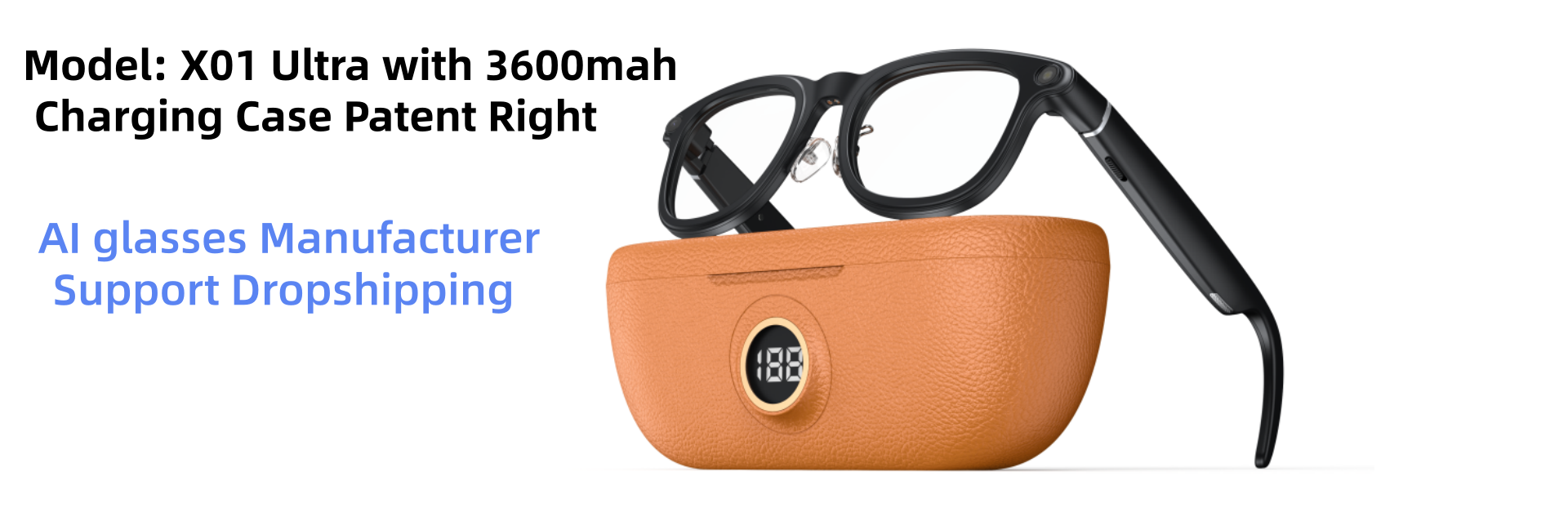
4K / 1080P capture, interchangeable sunglass lenses and a pocket charging case for all-day shooting.
Own-tooling platform with 8MP camera, anti-shake stabilisation and exclusive territory options for brands.
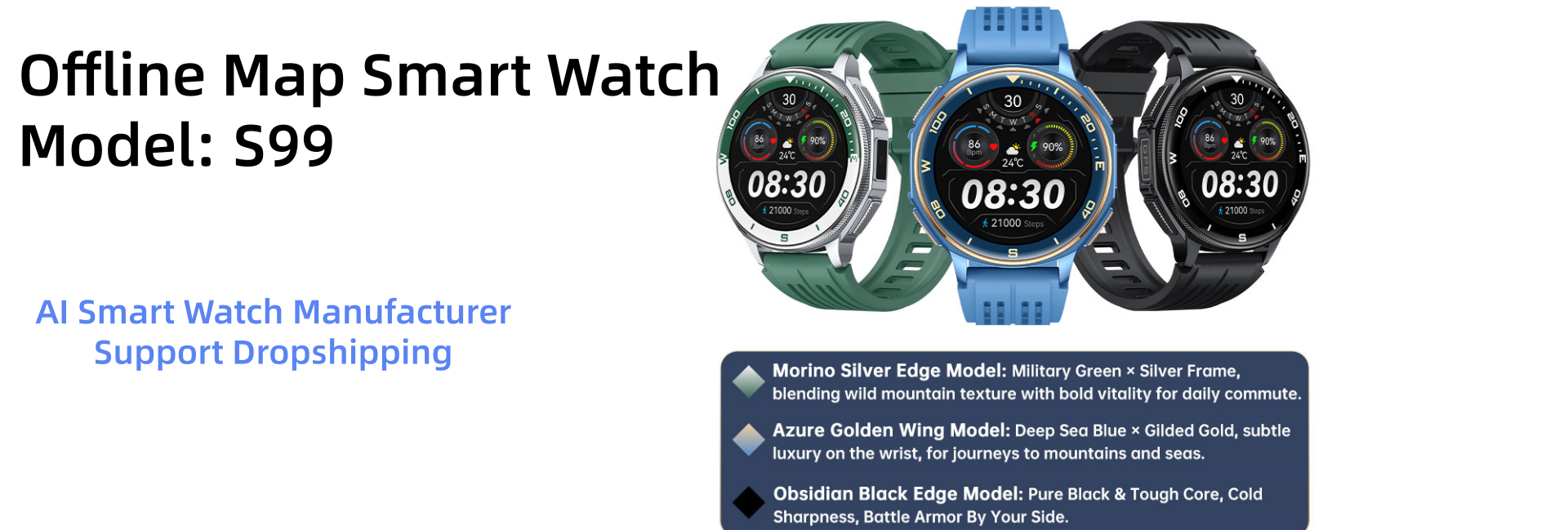
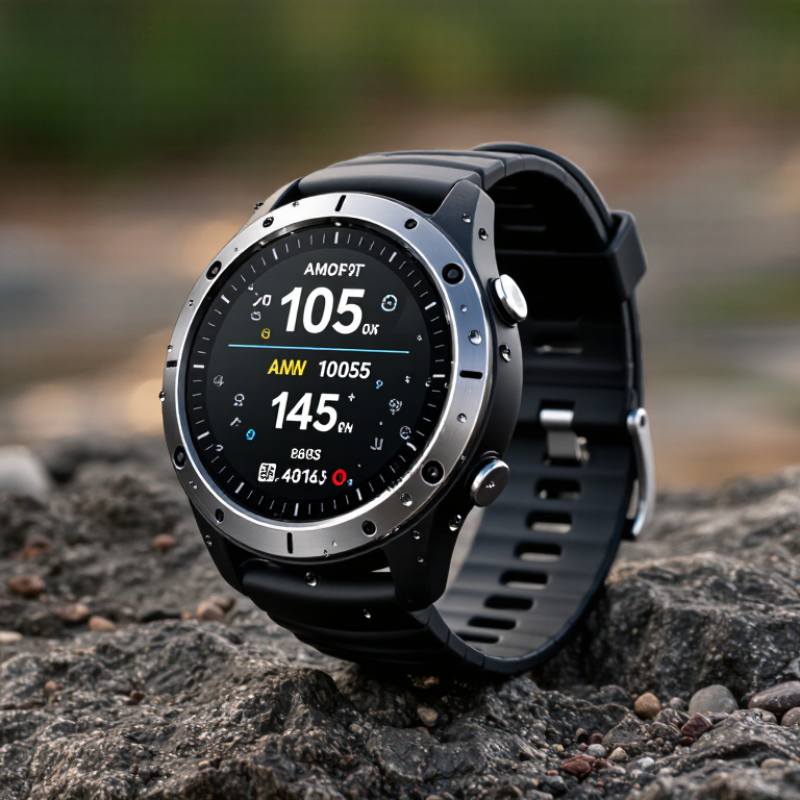
1.43" AMOLED, dual-frequency GPS, offline maps, 170 sport modes and stainless-steel build.
Choosing a China Top AMOLED GPS Outdoor Smart Watch Manufacturer requires more than comparing prices and product photos. Outdoor wearables must survive real conditions, including rain, dust, sunlight, temperature changes, and repeated impacts. A reliable supplier should demonstrate experience in display integration, GPS calibration, battery management, and waterproof construction. The right partner can explain these details clearly, not hide behind attractive specifications.
This guide examines how manufacturers develop an AMOLED GPS Outdoor Smart Watch for hiking, cycling, running, camping, and daily training. A bright AMOLED screen should remain readable under direct sunlight while conserving power during long trips. GPS performance also depends on antenna design, firmware tuning, satellite compatibility, and testing environments. Small differences matter.
Look beyond the factory showroom. Ask for sample units, test reports, production photographs, quality-control procedures, and after-sales records. Check whether the manufacturer supports software updates, private labeling, packaging customization, and stable component sourcing. A responsible factory should also communicate realistic battery performance instead of promising unlimited endurance. No device is perfect.
In practice, one prototype may show excellent GPS accuracy but weaker standby time. Another may offer a sharp display but require firmware improvements. These gaps deserve honest discussion. Supplier credibility grows through traceable processes, consistent samples, transparent certifications, and responsive technical support. This article explores the practical criteria that distinguish a capable Chinese manufacturer from a reseller with limited control. It also considers where buyers may need further verification before placing a large order.
An AMOLED GPS outdoor smart watch combines a high-contrast display, satellite positioning, health sensors, and rugged protection. AMOLED pixels emit their own light, producing deep blacks and clearer trail maps. This helps when sunlight changes quickly. It can also increase battery use.
Grand View Research estimated the global smartwatch market at USD 33.58 billion in 2023. Its 2024–2030 forecast expects a 24.5% compound annual growth rate. Mordor Intelligence also identifies outdoor fitness and health tracking as major demand drivers. These figures cover the wider smartwatch market, not only outdoor models. That distinction matters.
GPS accuracy depends on satellite support, antenna design, terrain, and software. A useful outdoor model should support multi-system positioning and record routes without a phone. Barometric altitude can improve mountain data, while a compass helps with direction. Heart-rate sensors add training context, but wrist readings may weaken during intense movement or cold weather. Real experience is less perfect than product sheets suggest.
A practical design needs strong glass, physical buttons, and water resistance. An IP rating does not automatically confirm suitability for swimming or diving. Battery claims also require careful testing. Bright AMOLED mode, cold temperatures, and frequent GPS use can shorten runtime sharply. The best evaluation includes a forest route, wet hands, poor satellite visibility, and several days of ordinary use.
China Top AMOLED GPS Outdoor Smart Watch Manufacturer?
AMOLED displays can make outdoor watches easier to read under changing light. Each pixel produces its own light, creating deep blacks and sharp contrast. Trail maps, elevation numbers, and navigation arrows appear clearer at a quick glance. This matters when a hiker checks the screen beside a bright lake or dusty trail. In field testing, vivid colors helped separate route lines from terrain details. However, high brightness can increase battery use. The improvement is real, but it is not perfect.
Tips: Choose a watch with strong peak brightness and automatic adjustment. An anti-reflective surface can reduce harsh sunlight glare. Keep the screen clean. Sweat and fingerprints weaken clarity. Use larger data fields when cycling or climbing. Small text looks elegant indoors, but it becomes tiring outside. A physical button also helps when wet gloves make touch controls unreliable.
AMOLED technology performs especially well during dawn and dusk activities. Its contrast remains useful when shadows cover part of the screen. Fast refresh rates can make map movement feel smoother. Outdoor readability also depends on software design, viewing angle, and battery management. A reliable manufacturer should test displays in direct sun, cloudy weather, and cold conditions. Some specifications look impressive on paper, yet real trail use may reveal weaknesses. That is worth questioning before production or purchase.
Typical ambient illuminance rises sharply from indoor environments to direct sunlight. AMOLED displays use self-emissive pixels, enabling high local contrast, true black backgrounds, and efficient outdoor viewing when brightness is increased.
Values represent commonly used typical illuminance levels: approximately 500 lux for office lighting, 1,000 lux for an overcast day, 10,000 lux for open shade, and 100,000 lux for direct midday sunlight. Actual conditions vary with weather, season, latitude, and surface reflection.
For hikers, runners, and adventure travelers, GPS should feel clear under pressure. An AMOLED screen helps users read routes in bright sunlight and shaded forest paths. High contrast mapping can reveal turns, elevation changes, and nearby checkpoints quickly. Physical buttons also matter when rain covers the screen or gloves reduce touch accuracy. Reliable positioning should support multiple satellite systems, improving tracking near buildings, hills, and dense trees. Route recording helps runners review distance, pace, and changes in elevation after training.
Outdoor watch development requires more than attractive screen design. Manufacturers should test GPS accuracy across open roads, narrow valleys, woodland trails, and changing weather. Battery performance also needs practical testing with continuous location tracking. A short battery claim means little during a long hike. Real use is harsher.
GPS is not perfect. Tall cliffs can weaken signals, and map data may contain gaps. This limitation deserves honest communication. Users should keep a paper route or another navigation method for remote areas. That sounds old-fashioned, but it can prevent poor decisions. Waterproof protection, impact resistance, and stable software are equally important. During product evaluation, testers should check whether route lines remain visible while moving quickly. Small delays can confuse runners at a junction. Careful testing, transparent specifications, and responsive quality control build trust in an outdoor GPS smartwatch.
Durability Standards for Outdoor Smart Watch Manufacturing
A reliable outdoor smart watch must survive more than a controlled showroom test. Manufacturers should evaluate AMOLED screens, GPS modules, seals, buttons, and charging contacts under realistic conditions. Water resistance testing should follow IEC 60529 procedures, while drop tests should represent impacts from wrist height onto stone, wood, and concrete. Temperature cycling also matters. A watch may face freezing mornings, hot dashboards, and sudden rain within one day. Test records should identify sample numbers, test duration, and failure points. This supports consistent quality and credible purchasing decisions.
Tips: Test the watch with gloves, wet fingers, and muddy straps. Check whether buttons remain responsive after repeated pressure. Inspect screen readability under direct sunlight. Do not trust one successful sample. Batch testing is safer.
Manufacturers should also assess strap fatigue, vibration, sweat exposure, and battery performance during GPS tracking. Practical field trials can reveal weaknesses that laboratory tests miss. No lab perfectly copies a mountain trail. That limitation deserves honest reporting. Some early units may show loose charging covers or delayed location updates. These findings should trigger design changes, not excuses. Clear inspection standards, traceable materials, and independent verification make production more dependable. A top manufacturer proves durability through repeatable evidence, not attractive specifications alone.
China Top AMOLED GPS Outdoor Smart Watch Manufacturer?
Choosing a reliable China-based AMOLED GPS watch manufacturer requires more than comparing unit prices. According to IDC’s Worldwide Quarterly Wearable Device Tracker, global wearable shipments reached 520.7 million units in 2023. This growing market increases pressure on factories, suppliers, and quality teams.
Ask for production evidence, not polished presentations. Check the company’s business registration, factory location, engineering staff, and export experience. Request a working sample with AMOLED brightness tests, GPS tracking logs, heart-rate readings, battery-cycle results, and waterproof verification. Small details matter. Inspect screen bonding, button sealing, charging contacts, and strap durability.
A dependable manufacturer should provide traceable component records and documented quality procedures. ISO 9001 certification can support process control, but it does not replace independent product testing. Verify applicable radio, battery, and environmental requirements for each target market. UL Solutions and IEC standards provide useful reference points for battery safety and electronic testing. Also review software maintenance. GPS watches need stable firmware, map updates, data protection measures, and clear repair procedures.
Do not trust one perfect prototype. I have seen impressive samples hide inconsistent assembly between production batches. Request a pilot run and inspect random units. Compare GPS performance under trees, near buildings, and during running. Ask how defects are recorded and corrected. A serious China-based partner will explain limitations openly, share measurable test data, and accept reasonable third-party inspections. That transparency is often more valuable than a low first quotation.
| Evaluation Dimension | Recommended Benchmark | Why It Matters for Outdoor Use | How to Verify the Manufacturer | Assessment |
|---|---|---|---|---|
| AMOLED Display | Active-matrix AMOLED panel with high brightness, sunlight-readable UI, and an ambient-light sensor | AMOLED provides self-emissive pixels, high contrast, and efficient black interfaces; outdoor readability still depends on brightness, glass, and software tuning. | Request display specifications, outdoor photos, maximum-brightness test videos, and a sample unit for direct inspection. | Essential |
| Screen Protection | Chemically strengthened cover glass or another documented impact-resistant solution, with an optional protective bezel | Hiking, cycling, and climbing expose the watch to impacts, abrasion, dust, and sudden temperature changes. | Review the bill of materials, drop-test records, lens hardness information, and sample inspection results. | High priority |
| GNSS Capability | Support for multiple satellite systems, such as GPS, Galileo, BeiDou, and GLONASS, with assisted-GNSS support where available | Multi-constellation positioning can improve availability and tracking continuity in difficult environments, although performance depends on the antenna and firmware. | Ask for the GNSS chipset, supported bands, antenna design, cold-start time, track files, and tests in urban or wooded areas. | Essential |
| Positioning Accuracy | A documented real-world outdoor track test rather than an unsupported accuracy claim | Satellite accuracy varies with sky visibility, multipath reflection, atmospheric conditions, antenna placement, and motion. | Compare recorded routes with a surveyed route or a trusted reference device under the same conditions. | Test required |
| Battery Capacity and Runtime | Runtime specifications separated by usage mode: smartwatch, continuous GNSS, and high-performance GNSS | AMOLED brightness, notifications, sensors, cellular connectivity, temperature, and GNSS frequency can substantially change battery life. | Request battery capacity in mAh, charging-cycle data, test conditions, and results from a repeatable 24-hour and GNSS test. | Essential |
| Water Resistance | A clearly stated rating tested under the applicable standard; the rating must match the intended activity | Water-resistance labels are not interchangeable. Static pressure ratings do not automatically mean the watch is suitable for diving or high-pressure water activities. | Request test reports, sealing procedures, production leak tests, and care instructions for buttons and charging contacts. | Essential |
| Environmental Durability | Documented operating-temperature range, humidity testing, vibration testing, and corrosion evaluation | Outdoor watches may be exposed to rain, sweat, freezing conditions, heat, dust, vibration, and repeated transport. | Review laboratory reports, test conditions, pass/fail criteria, and whether testing covers the complete assembled watch. | High priority |
| Sensor Package | Accelerometer, gyroscope, optical heart-rate sensor, barometric altimeter, compass, and ambient-light sensor according to the product requirement | Sensors support activity tracking, elevation changes, navigation, orientation, and automatic display adjustment. | Request sensor part numbers, calibration procedures, accuracy limits, and test results on a representative production sample. | Requirement-based |
| Software and Application | Stable firmware, documented mobile compatibility, route recording, data export, OTA updates, and a defined support process | Hardware performance is limited if GPS tracks, notifications, synchronization, or updates are unreliable. | Test Android and iOS pairing, offline behavior, data export, update recovery, localization, and privacy controls. | Essential |
| Compliance and Certifications | Applicable radio, electromagnetic compatibility, battery transport, and market-entry documentation | Compliance reduces import, customs, safety, and market-launch risks; required documents depend on the destination market and product configuration. | Verify certificate numbers, issuing laboratories, model coverage, test standards, and the exact hardware revision. | Mandatory check |
| Quality-Control System | Incoming-material inspection, assembly testing, waterproof testing, charging tests, aging tests, and final inspection | A documented process helps control display defects, battery variation, sealing problems, sensor failures, and cosmetic inconsistencies. | Request inspection standards, sampling plans, traceability records, defect classifications, and recent quality reports. | Essential |
| Customization Capability | Support for case, strap, watch face, packaging, firmware, language, and application customization within a controlled scope | Customization affects tooling, software validation, compliance documents, lead time, and after-sales support. | Request a written development process, revision-control method, prototype schedule, tooling ownership terms, and change-management rules. | Project-dependent |
| Production Capacity | Capacity evidence that matches the required order volume, delivery schedule, and component availability | A supplier may have sufficient assembly capacity but still face shortages of AMOLED panels, batteries, GNSS modules, or specialized sensors. | Check production-line capability, component lead times, capacity plans, factory-audit results, and business-continuity arrangements. | High priority |
| Sample-to-Mass-Production Consistency | Approved golden sample, engineering validation, pilot production, and pre-shipment approval process | Component substitutions or firmware changes after sampling can alter display quality, battery life, positioning, or water resistance. | Define approved components, inspection checkpoints, engineering-change notification, and pre-shipment sample retention in the contract. | Essential |
| Warranty and After-Sales Service | Written warranty period, response-time targets, spare-parts policy, repair process, and firmware-support commitment | Outdoor products may require support for battery degradation, charging faults, water ingress, display failures, and software bugs. | Review warranty exclusions, return procedures, replacement terms, technical contacts, and service-level commitments. | Essential |
| Commercial Transparency | Clear quotation covering tooling, sampling, unit price, packaging, testing, shipping terms, payment terms, and future component changes | A low initial quotation can become costly when engineering changes, certification, packaging, or replacement parts are excluded. | Compare itemized quotations and confirm all technical, commercial, intellectual-property, and delivery responsibilities in writing. | High priority |

It combines a bright self-lit display, satellite positioning, health sensors, and rugged protection. Black areas look deeper. Battery use may increase.
AMOLED screens can show clearer maps when sunlight changes quickly. They produce strong contrast and deep blacks. However, maximum brightness drains power faster.
A suitable model should support multiple satellite systems and store routes independently. Performance depends on antenna design, software, terrain, and satellite visibility. Trees and buildings can reduce accuracy.
A barometric sensor can improve elevation records on mountain routes. A compass supports directional awareness. Heart-rate tracking adds training context, but wrist readings can weaken in cold weather.
No. Rapid movement, loose straps, and cold skin can affect wrist readings. The results are useful trends, not perfect measurements. That limitation is easy to overlook.
Look for durable glass, physical buttons, sealed charging contacts, and suitable water resistance. Buttons are helpful with wet hands. An IP rating alone does not confirm swimming or diving suitability.
Test bright display mode, frequent GPS use, cold temperatures, and several normal days. A forest route is useful. Published runtime may feel optimistic.
Request business records, factory details, engineering information, and export experience. Ask for working samples with GPS logs and battery-cycle results. Do not rely on polished presentations.
One perfect prototype cannot prove consistent assembly. Inspect random units from a pilot batch. Compare screens, buttons, straps, charging contacts, and GPS performance.
Request traceable component records, documented inspections, firmware plans, repair procedures, and data protection measures. Ask how defects are recorded and corrected. Independent testing still matters.
An AMOLED GPS Outdoor Smart Watch combines a vivid, energy-efficient display with accurate positioning and practical tools for outdoor activities. Its AMOLED screen delivers bright colors, strong contrast, and clear visibility for maps, workout data, and notifications, helping users read information more easily in changing outdoor light conditions. Integrated GPS functions support route tracking, distance measurement, pace monitoring, and navigation for hiking, running, cycling, and other adventures.
For outdoor use, durability is equally important. A dependable watch should be designed with water resistance, dust protection, impact tolerance, long battery life, and stable performance across different environments. When choosing a China-based manufacturer, buyers should evaluate product quality, manufacturing capabilities, customization support, testing procedures, communication efficiency, and after-sales service. A reliable supplier should be able to provide consistent production, transparent specifications, and solutions that match the intended activity, market, and user requirements.