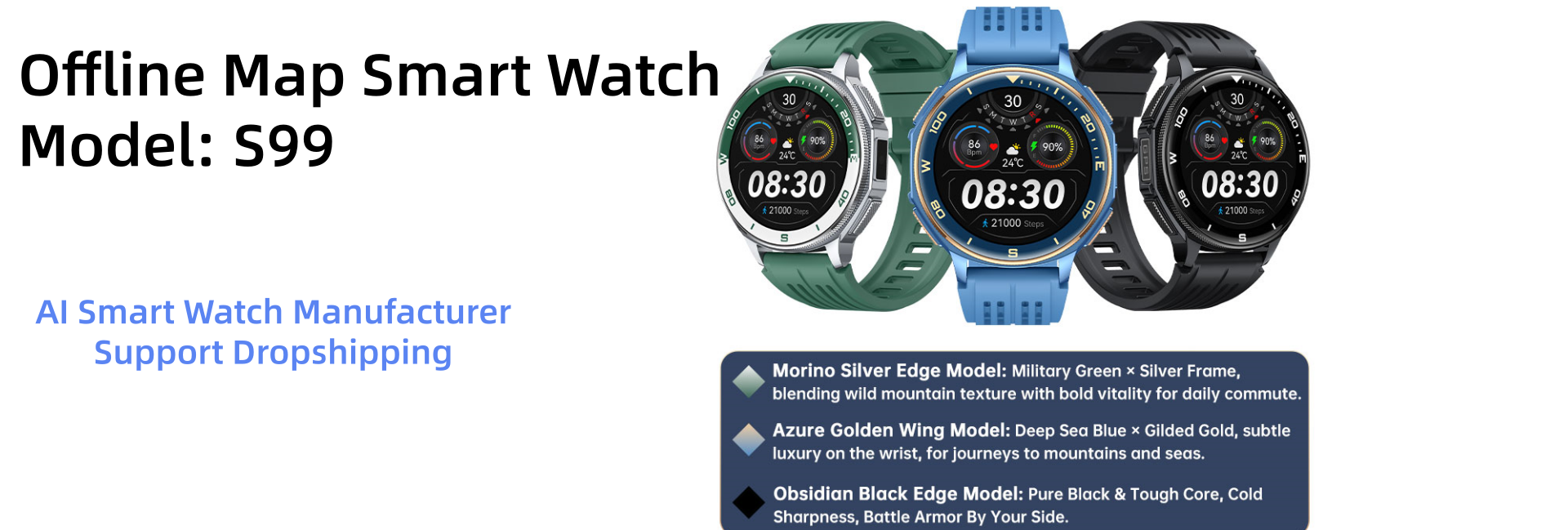
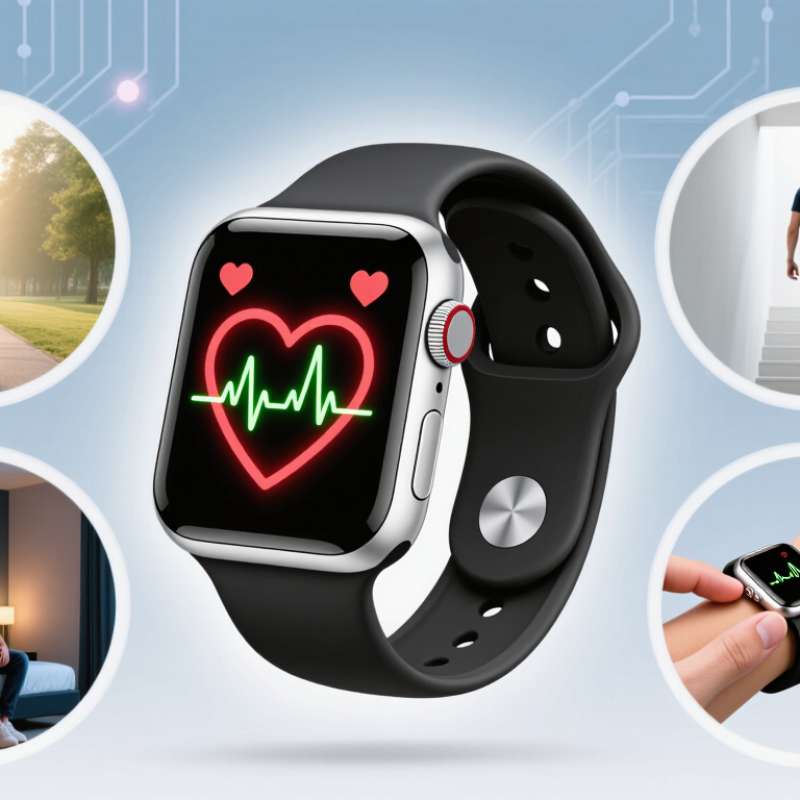
A Heart Rate Monitor Smartwatch can turn an abstract health number into something you can follow during an ordinary day. A morning walk, a quick climb up the stairs, or a quiet moment before bed can each show a different heart-rate pattern. Dr. Eric Topol, a cardiologist and digital-medicine researcher, captured the broader shift with the phrase, “The future of medicine is the consumer.” A smartwatch puts some health information closer to its wearer. It does not, however, make every reading meaningful or accurate.
Fit matters. A loose band, wrist movement, or a cold hand can affect readings from optical sensors. Check the watch’s fit, review trends over time, and compare measurements under similar conditions. The numbers are useful. They are not the whole story. Heart rate can change with exercise, stress, illness, medication, and sleep, so a single reading should not be treated as a diagnosis. That distinction matters. A Heart Rate Monitor Smartwatch may help you notice patterns and prepare clearer questions for a healthcare professional, but it cannot replace clinical advice or an ECG. It can also make some people check too often; that deserves reflection. The best choice depends on your needs, comfort, battery life, data privacy settings, and how easily you can understand the results. Choose a device you will actually wear. Then use its information with care.
How Smartwatches Measure Heart Rate
A heart-rate smartwatch usually relies on photoplethysmography, or PPG. Small LEDs shine light into the skin, while optical sensors detect changes in reflected light as blood pulses through the wrist. The watch turns those changing signals into an estimated beat rate. It is clever, but not magic. A loose strap, cold hands, motion, or a tattoo beneath the sensor can muddy the signal. During a run, your wrist may bounce with every step; that movement can confuse the reading.
The estimate also depends on the activity and the person wearing the watch. A 2017 study in the Journal of Personalized Medicine tested wrist-worn devices against electrocardiography in 60 adults. Its reported average heart-rate error was 5.6%, though performance differed across devices and conditions. That figure describes the tested devices and study setup, not every smartwatch or every workout. For steadier readings, wear the watch snugly above the wrist bone and pause briefly if the numbers jump unexpectedly. A smartwatch can help you notice patterns over time, but its optical reading is not a clinical diagnosis. And sometimes, it gets it wrong.
Health and Fitness Insights from Continuous Tracking
A heart rate monitor smartwatch can turn scattered readings into a clearer picture of daily activity. Over time, resting heart rate, workout peaks, and overnight trends may show how your body responds to exercise, stress, or recovery. Patterns matter. A single unusual reading may reflect movement, a loose strap, or poor sensor contact.
A 2019 study in the New England Journal of Medicine followed 419,297 participants using an irregular-pulse notification feature. About 0.52% received a notification; among those who returned ECG patches, 34% had atrial fibrillation detected. This shows how wearables may prompt follow-up, not confirm a diagnosis. Readings can vary, and a smartwatch cannot replace clinical assessment. It is also easy to overread one spike; that limitation deserves attention.
Tips: Wear the watch snugly, especially during exercise, and compare trends across several days rather than reacting to one number. Note how you felt alongside the reading. If results concern you, discuss them with a qualified healthcare professional.
Everyday Uses Beyond Exercise
Why Choose a Heart Rate Monitor Smartwatch?
Everyday Uses Beyond Exercise
A heart-rate smartwatch can be useful on ordinary days, not just during workouts. On a slow commute, it may show how your pulse responds to stairs, coffee, poor sleep, or a tense meeting. The American Heart Association gives 60–100 beats per minute as a typical adult resting range, though fitness, medication, and other factors can affect it. A single reading is only a snapshot. Not a diagnosis. Repeated changes matter more than one unusual number, and health concerns belong in a conversation with a clinician.
Sleep tracking can also reveal bedtime drift or restless nights. The American Academy of Sleep Medicine recommends adults regularly get at least seven hours of sleep. Wearable sleep-stage estimates are imperfect, so treat them as clues, not clinical measurements. A watch might also prompt movement breaks during desk-heavy days or help you notice a pattern after late caffeine. ACSM’s 2024 Worldwide Survey ranked wearable technology first among fitness trends. It surveyed 2,000 fitness professionals. That signals growing interest, not perfect accuracy. I still find overnight readings easy to overthink; context matters more than a lone spike.
Accuracy, Privacy, and Practical Limitations
A heart rate monitor smartwatch can make everyday patterns easier to notice. During a brisk walk, you might see your pulse rise on a gentle hill and settle after you sit down. That information is useful, but it is an estimate, not a medical measurement. Wrist movement, a loose band, cold skin, and tattoos can affect the optical sensor. A snug fit helps. Still, readings may jump or lag during intervals, weight training, or sudden changes in pace.
Privacy deserves attention too. Health data may be stored on the watch, a phone, or a cloud service, depending on its settings. Check what is collected, how long it is kept, and whether sharing is enabled. Turn off features you do not use. A small setting can matter.
Use trends as context, not a verdict. Compare readings under similar conditions, such as after waking or during the same walk. If a number looks unusual, rest and check again rather than reacting to one screen. These devices cannot diagnose a condition, and their comfort can be imperfect: a tight strap may irritate skin, while a loose one gives poorer readings. Persistent symptoms or concerns call for advice from a qualified health professional.
Choosing a Smartwatch That Fits Your Needs
A heart rate monitor smartwatch is most useful when it fits your routine, not when it offers the longest feature list. Think about when you will wear it: during runs, at work, or overnight. If you exercise outdoors, choose a clear display you can read in sunlight and controls that work with damp hands. For daily wear, comfort matters more. A watch that feels bulky at bedtime may end up on the nightstand.
Check that the band fits snugly without pinching, since loose contact can make readings less consistent. Compare battery life with your habits; frequent GPS use may mean more charging. Look for clear explanations of heart-rate trends, not just colorful charts. These readings can support personal tracking, but they are estimates and can be affected by movement, fit, and skin contact. They are not a medical diagnosis. More data is not always more helpful. I might choose a simpler model and later wish it had better sleep details; that trade-off is worth considering.
Tips: Wear the watch slightly above the wrist bone, and keep the sensor clean. Try it on, if possible, before buying. Check whether its app presents data in a way you can understand, rather than leaving you guessing at every spike.
Conclusion
A Heart Rate Monitor Smartwatch uses light-based sensors on the wrist to estimate your pulse, offering a convenient way to observe how your heart rate changes throughout the day. By tracking patterns during rest, activity, and sleep, it can help you reflect on fitness progress, recognize how different routines affect your body, and decide when you may want to take a break. These insights are most useful as general wellness information rather than a substitute for professional medical advice.
Beyond workouts, continuous heart rate tracking can support everyday awareness, from noticing changes during a busy day to reviewing overnight trends. Before choosing a device, consider comfort, battery life, ease of use, and whether its features match your goals. Readings may be affected by movement, fit, or other practical factors, and personal health data deserves careful attention. A suitable smartwatch balances useful tracking with realistic expectations and clear privacy controls.