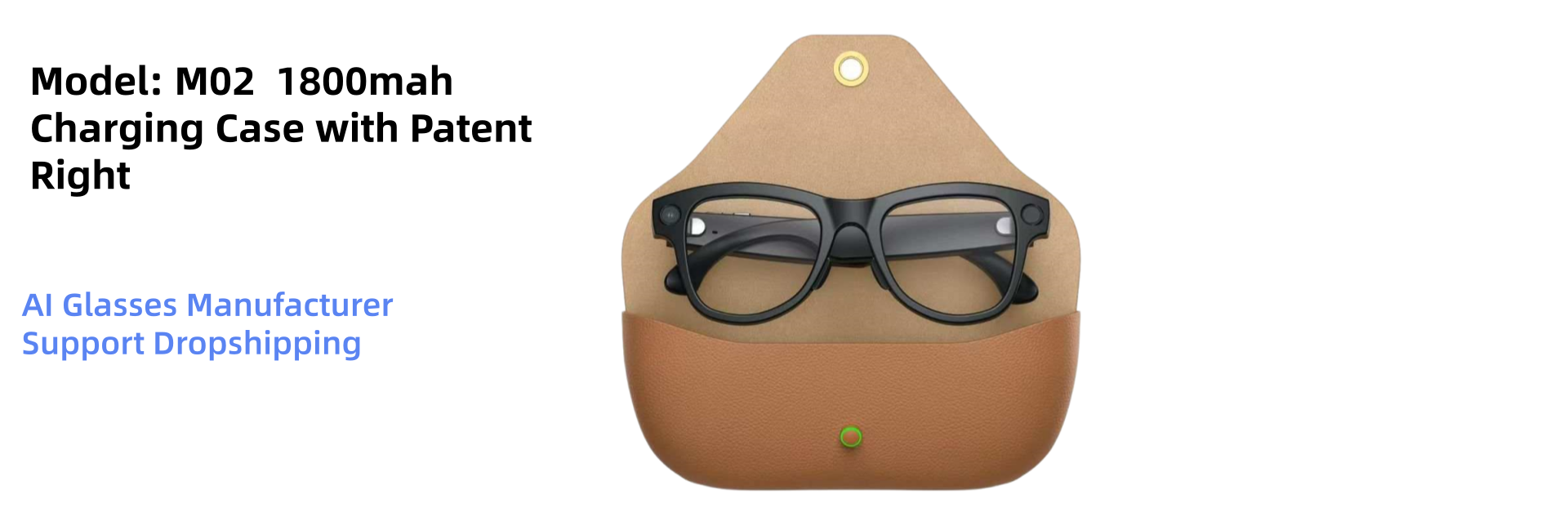
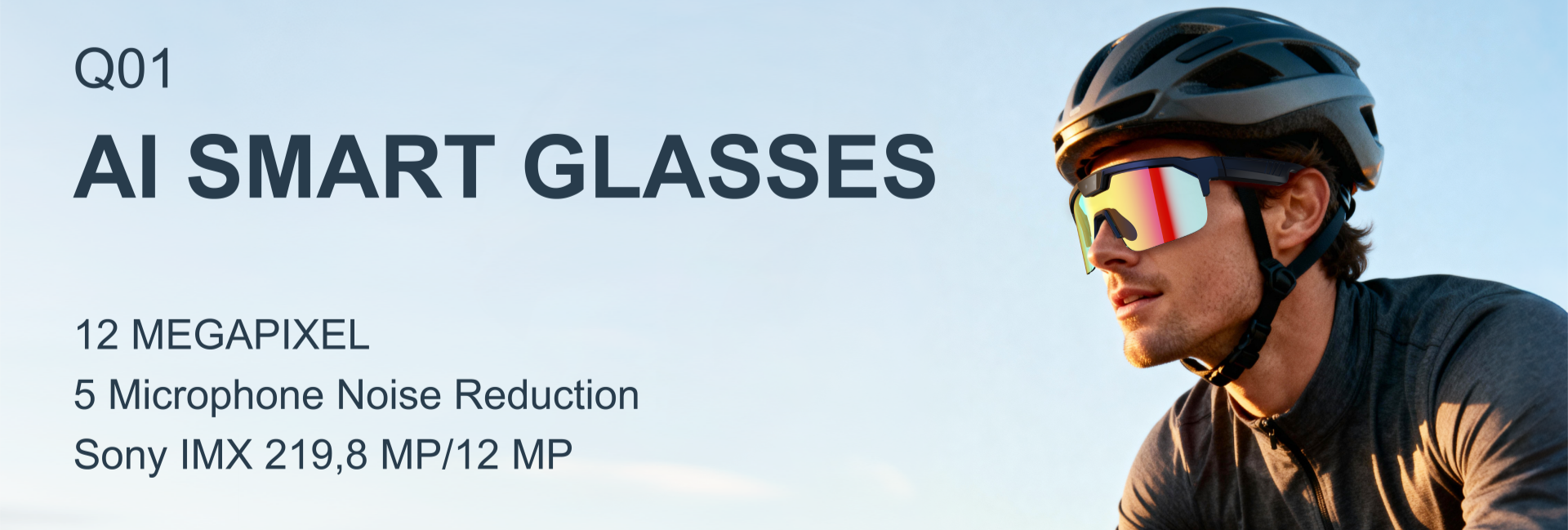
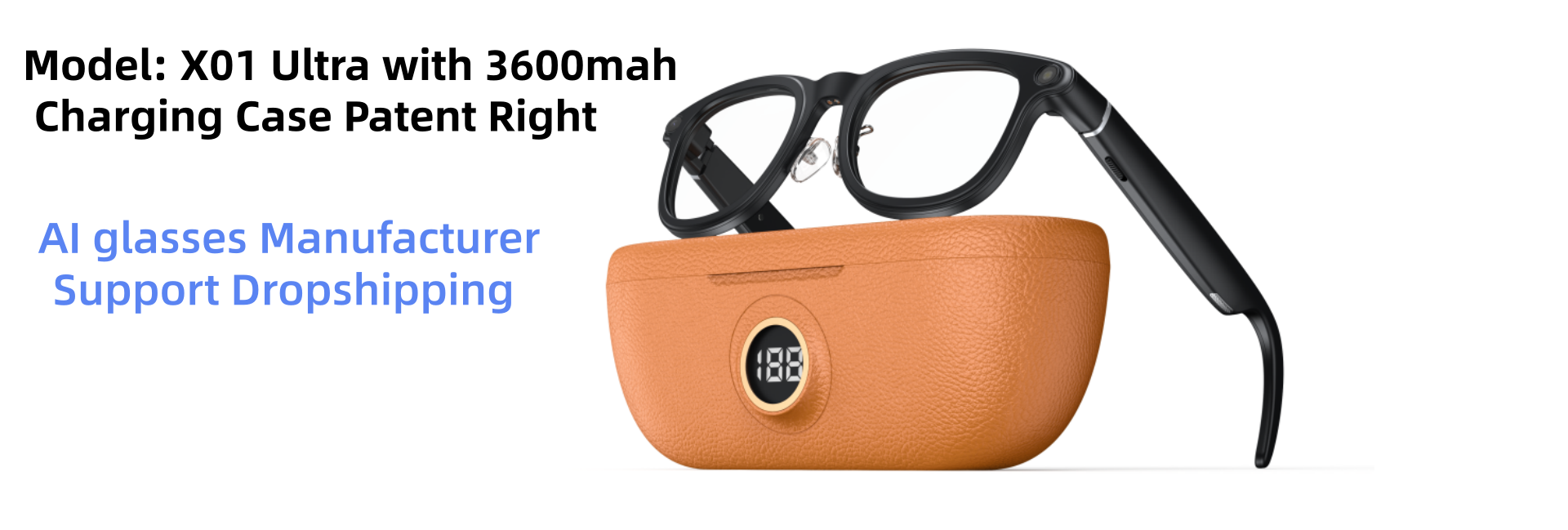
M02X AI Smart Glasses 8MP Anti-Shake
Camera eyewear with voice AI assistant, WiFi transfer and image translation — engineered for resale-ready branding.
- AI Glasses Manufacturer
- OEM / ODM
- Dropshipping Ready
Camera eyewear with voice AI assistant, WiFi transfer and image translation — engineered for resale-ready branding.
ChatGPT-class voice assistant, 40+ language translation and hands-free capture in one lightweight frame.
4K / 1080P capture, interchangeable sunglass lenses and a pocket charging case for all-day shooting.
Own-tooling platform with 8MP camera, anti-shake stabilisation and exclusive territory options for brands.
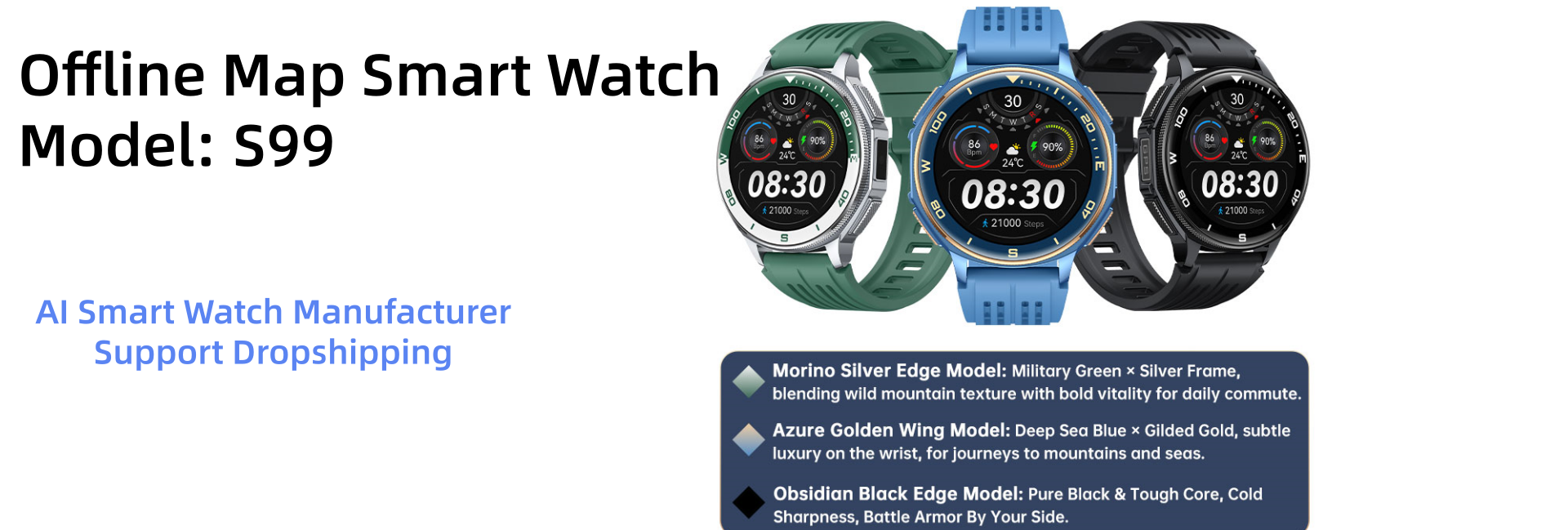
1.43" AMOLED, dual-frequency GPS, offline maps, 170 sport modes and stainless-steel build.
Choosing a Health Tracking Smart Ring in 2026 means looking past sleek finishes and impressive app screenshots. The right choice should fit your daily routine, feel comfortable overnight, and provide data you can interpret. A ring that pinches during a long walk or slips while you sleep may produce less useful readings. Fit matters.
Compare the health metrics each model tracks, such as sleep patterns, resting heart rate, skin temperature, and activity. Then check how clearly the company explains its measurements and their limitations. Read independent testing where available, and treat marketing claims with care. No device is perfect. Sensor readings can vary with fit, movement, skin characteristics, and personal routines, so one unusual result should not be treated as a diagnosis. A smart ring can support awareness, but it cannot replace professional medical advice.
Daily details matter, too. Check battery life, charging time, app fees, phone compatibility, water resistance, and the steps required to export or delete your data. Review the privacy policy before syncing sensitive information. If possible, try the sizing kit and wear the sample ring overnight; a comfortable daytime fit may feel different in bed. I would not choose by price alone, though budget still matters. The best Health Tracking Smart Ring is the one whose measurements, comfort, privacy practices, and ongoing costs suit your needs—and whose limits you understand. Some trade-offs are unavoidable.
A health tracking smart ring is most useful when it answers a specific question about your routine. If sleep is your priority, look for overnight heart rate, skin-temperature trends, and clear sleep summaries. For training, check whether it tracks activity and recovery without requiring constant manual input. Interested in stress patterns? Choose features that show changes over time, not just a single score. Keep it simple. A crowded dashboard can make it harder to notice what actually affects your day.
Think about how you will use the information. A ring can help you spot patterns, but its readings are estimates, not a diagnosis. That matters. Check how often data syncs, how long the battery lasts, and whether the app explains its metrics in plain language. Fit is important too: a ring that feels tight at night may end up on your bedside table. In practice, comparing a few weeks of sleep trends may be more useful than checking scores every morning. I’d also ask whether the device tracks the health measures you care about, rather than assuming more metrics mean better insight. Some goals, such as understanding persistent symptoms, call for advice from a qualified health professional.
| Health Goal | Essential Tracking Features | What the Ring Can Help You Monitor | Key Limitations to Check | Priority When Comparing Rings |
|---|---|---|---|---|
| Understand sleep patterns | Sleep duration and timing, sleep-stage estimates, overnight heart rate, and movement | Night-to-night trends in sleep schedules, estimated sleep duration, and periods of restlessness | Sleep stages are estimates derived from sensors and algorithms; they are not equivalent to a clinical sleep study. | Check overnight comfort, battery life, and whether the app presents long-term trends clearly. |
| Monitor recovery and general wellness | Resting heart rate, heart-rate variability (HRV), sleep trends, and activity history | Changes in personal baseline measurements that may relate to sleep, stress, illness, or training load | HRV varies among people and can be affected by many factors. A single reading does not diagnose a condition or measure recovery with certainty. | Look for consistent overnight measurements and explanations that emphasize personal trends rather than universal scores. |
| Build more daily movement | Step estimates, activity duration, movement reminders, and workout recording | Daily movement patterns and progress toward personally chosen activity goals | Wrist or finger-based movement estimates can differ from dedicated exercise equipment, especially for activities with limited hand motion. | Check whether the ring detects your usual activities and whether data can be viewed or exported in the app. |
| Notice changes in overnight temperature | Skin-temperature trends measured during sleep | Deviations from your usual overnight skin-temperature baseline | Skin temperature is not the same as core body temperature and is influenced by room conditions, fit, and other factors. It is not a fever diagnosis. | Choose a ring that explains baseline comparisons and does not present temperature trends as a medical diagnosis. |
| Review blood oxygen estimates | Overnight blood oxygen saturation (SpO₂) estimates, if supported | Estimated oxygen-saturation patterns during measured periods | Consumer ring readings may be affected by fit, movement, circulation, and other factors. They are not a substitute for medical-grade assessment or emergency care. | Confirm that the feature is available in your region and review the device’s stated limitations and measurement schedule. |
| Track cycle-related patterns | Cycle logging and, where supported, skin-temperature trends | Recorded cycle dates and possible patterns across cycles, depending on the app’s features and the information entered | Cycle predictions are estimates and can be inaccurate. A smart ring should not be relied on as contraception or as a diagnostic tool. | Check privacy settings, data controls, and whether the app supports the specific cycle information you want to track. |
| Follow heart-rate trends during rest and activity | Optical heart-rate measurements and resting heart-rate trends | Changes in recorded heart rate over time and, on supported models, during selected activities | Optical readings can be less reliable during movement or with a poor fit. A ring is not a replacement for a prescribed heart monitor. | Review measurement frequency, fit guidance, and compatibility with your preferred health-data platform. |
| Choose a practical everyday device | Comfortable fit, suitable battery life, water-resistance information, app compatibility, and clear data policies | Whether the ring can be worn consistently enough to provide useful personal trends | Fit, charging habits, software features, and water-resistance limits vary by model; verify specifications before purchase. | Prioritize correct sizing, comfort, transparent privacy controls, and any ongoing app or subscription costs. |

Note: Smart rings are consumer wellness devices. Their readings and estimates should not be used to diagnose, treat, or prevent a medical condition. Consult a qualified healthcare professional about health concerns.
How to Choose a Health Tracking Smart Ring in 2026?
Sensor accuracy matters most when readings stay consistent across ordinary days. A ring uses light-based sensors to estimate signals such as heart rate and blood oxygen. Movement, a loose fit, cold fingers, and skin contact can affect results. Small details matter. Compare how each device handles gaps in data, not just its best-case accuracy claims.
Look for clear explanations of the metrics. Heart rate and overnight trends can help you notice patterns, while sleep stages are estimates rather than direct measurements. Some rings also report skin temperature changes or blood oxygen levels. Check when readings are taken and whether the maker shares validation methods against established measurement tools. A precise-looking graph is not proof of precision. Not a diagnosis.
Fit can change sensor performance, so consider whether the ring stays snug without pinching during sleep. Compare several nights of readings with your own routine, and note unusual conditions such as exercise, travel, or a cold room. I would give more weight to repeatable trends than to one surprising number. Even then, consumer sensors can be imperfect, and I still find it easy to trust a neat chart too quickly. Use the data as context, and seek qualified medical advice for health concerns.
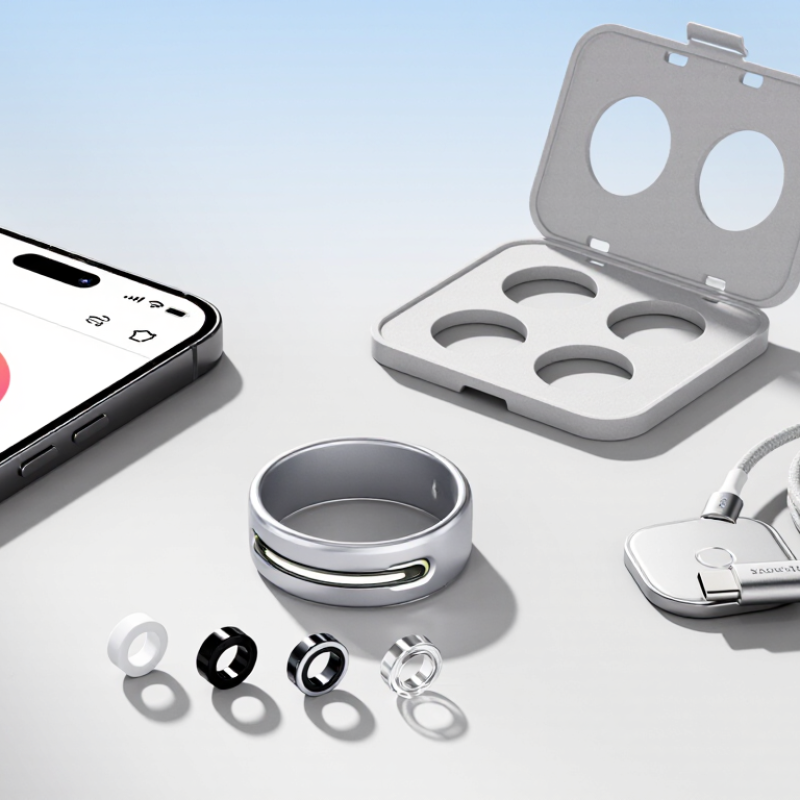
A health-tracking ring should feel secure without pinching. Fingers can swell with heat, exercise, or overnight, so test the fit at different times of day. It should slide over the knuckle with gentle resistance and not spin freely. A sizing kit is useful, but no chart can predict every hand perfectly.
Material affects comfort and durability. Titanium is lightweight; stainless steel can feel heavier, while inner coatings may suit sensitive skin better. Check the maker’s material disclosures and return window before buying. Battery claims also need context: continuous overnight tracking, frequent syncing, and temperature features can shorten real-world runtime. Counterpoint Research estimated global smart-ring shipments rose 88% year over year in 2024, signaling a fast-growing category, not proof that every design suits every user.
Tips: Wear the sample size for a full day and night. Compare stated battery life with charging time and your preferred tracking features. Small details matter. If the ring leaves a deep mark or feels loose after waking, reconsider the size; comfort is easy to underestimate.
Before buying a health tracking smart ring in 2026, check whether its app works with your phone’s operating system and health platform. Confirm that sleep, activity, and heart-rate records can be exported, not just viewed inside one app. Test the setup screens in a store if possible; a tiny display and unclear permissions can make daily use frustrating. Privacy deserves the same attention. Read what data is collected, how long it is stored, and whether deletion is available. IBM’s 2024 Cost of a Data Breach Report put the global average breach cost at $4.88 million. That figure covers organizations, not ring users, but it shows why careful data handling matters.
Then calculate the full cost, including any monthly fee. Ask which features stop working if you cancel, and whether basic sleep history remains accessible. Deloitte’s 2024 Digital Media Trends report found that 39% of consumers had canceled at least one paid streaming service in the previous six months. That is not ring-specific, but it signals real subscription fatigue. A small fee can add up. Compare the ring’s total cost over two years, not only its checkout price. I would still treat privacy promises cautiously: clear controls are useful, but they cannot guarantee perfect protection. A simpler app with readable settings may suit you better than a crowded dashboard.
Comfort should come before extra features. A ring that feels fine at noon may feel tight overnight, especially when fingers swell. Check the sizing guide and wear a sample size for several days, if available. Test it while typing, washing your hands, and sleeping. Small details matter. A raised edge or loose fit can become irritating, and poor contact may affect sensor readings.
For reliability, look beyond polished app screens. Check how consistently the ring records sleep, heart rate, and activity across ordinary days. These devices estimate health signals; they do not replace medical assessment. Compare trends over time rather than reacting to one unusual reading. Notice whether data syncs without repeated troubleshooting, and whether the ring suits your phone. Battery life matters, too. Frequent charging can leave gaps in overnight records. That can frustrate.
Value includes more than the purchase price. Check for recurring fees, replacement costs, warranty terms, and which features remain available without a subscription. Read recent reviews for patterns, not isolated praise or complaints. A clear return window helps if the fit or app disappoints. It is easy to overvalue a long feature list; I would rather have fewer useful measurements that arrive consistently. Still, comfort is personal, and no comparison chart can settle that for everyone.
Suggested decision weights for comparing ring options—not measured product scores or market statistics.
Prioritize reliability when comparing tracking consistency and day-to-day performance. Consider comfort for fit and overnight wear, and value for the overall cost relative to the features you will use.
Compare heart rate, overnight trends, sleep estimates, skin temperature, and blood oxygen readings. Check when each metric is measured. A polished graph alone does not prove accuracy.
Light-based sensors estimate body signals, and results can vary with movement, cold fingers, or loose fit. Repeated patterns matter more than one surprising reading. Still, the data can be imperfect.
No. Sleep stages are estimates, not direct measurements. Use them to notice broad patterns, not as exact records of every hour.
It should stay snug without pinching, including during sleep. Compare readings across several nights, and note changes after exercise, travel, or time in a cold room. Fit matters.
Confirm the app works with your phone and health platform. Check whether you can export sleep, activity, and heart-rate records. A tiny setup screen can make permissions hard to review.
Read what information is collected, how long it is stored, and whether you can delete it. Clear controls help, but they cannot guarantee perfect protection. I would stay cautious.
Yes. Calculate the total cost over two years, not just the checkout price. Ask which features stop working after cancellation and whether basic sleep history remains available. Small fees add up.
No. Treat readings as context, not a diagnosis. Seek qualified medical advice about health concerns, even when a chart looks reassuring.
Choosing a Health Tracking Smart Ring in 2026 starts with understanding your personal health goals. Decide which features matter most, such as sleep insights, heart rate, activity tracking, or recovery trends. Compare how consistently each ring measures its key metrics, and remember that readings are most useful when they are clear, reliable, and easy to interpret.
Comfort and practicality are just as important as tracking features. Find a fit that feels secure without being restrictive, consider materials that suit everyday wear, and check how often the ring needs charging. Before choosing, confirm that its app works with your devices, review how your health data is handled, and account for any ongoing subscription costs. Weigh comfort, reliability, and total value together to find an option that fits your routine and is easy to use over time.