Awia Electronic Commerce Co., Ltd. AI Smart Glasses & Wearables Manufacturer since 2014
Shenzhen, Guangdong, China Verified Supplier & TÜV Rheinland Assessed Email: [email protected]
Awia Electronic Commerce Co., Ltd. logo AWIA Smart Wearable Factory
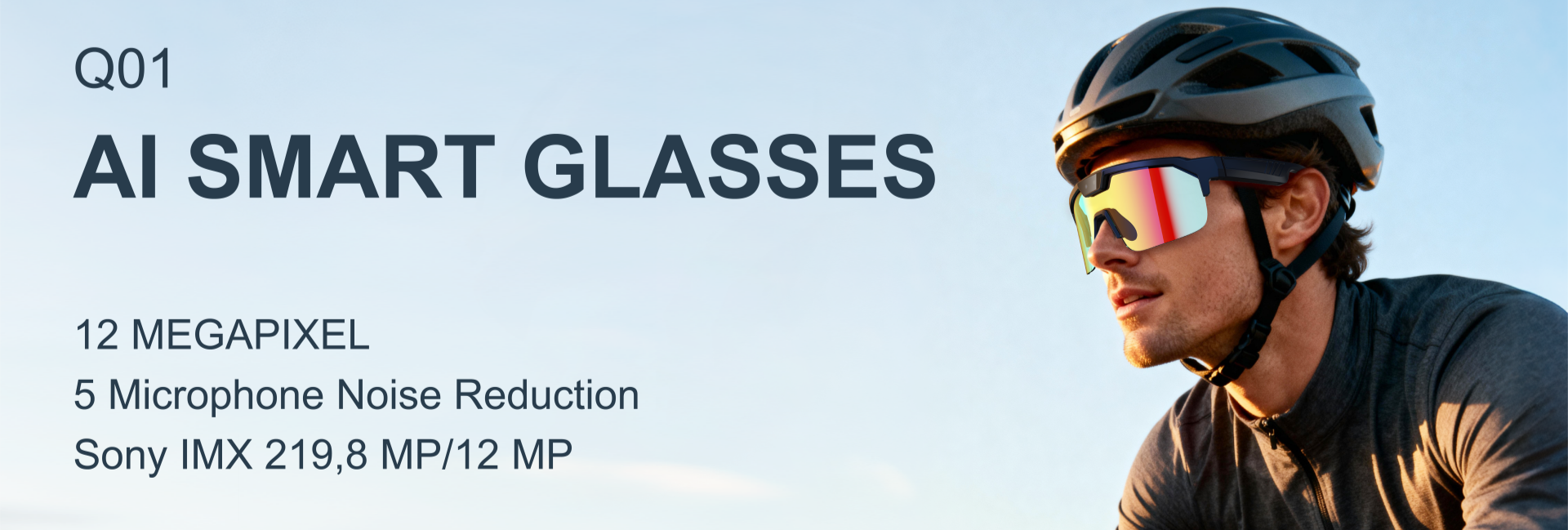
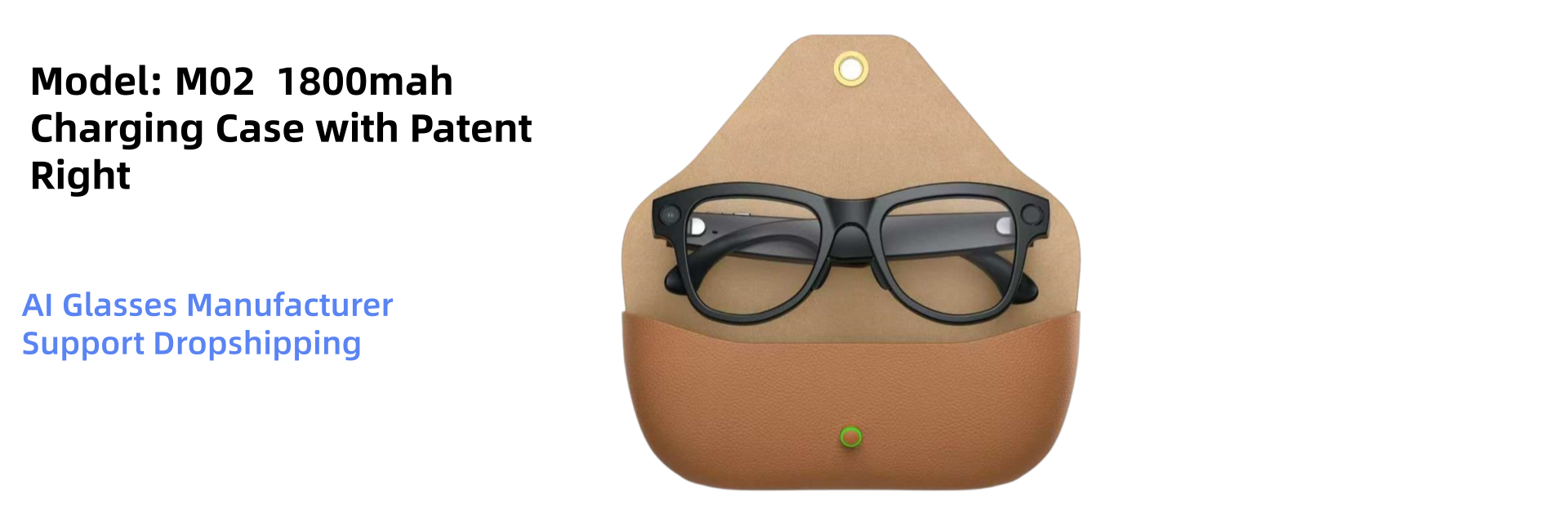
M02X AI smart glasses with 8MP anti-shake camera and charging case
Top Sales

M02X AI Smart Glasses 8MP Anti-Shake

Camera eyewear with voice AI assistant, WiFi transfer and image translation — engineered for resale-ready branding.

  • AI Glasses Manufacturer
  • OEM / ODM
  • Dropshipping Ready
AI smart glasses product line with translation and ChatGPT voice assistant
AI Wearables

Real-Time Translation Eyewear

ChatGPT-class voice assistant, 40+ language translation and hands-free capture in one lightweight frame.

  • CE / FCC / RoHS
  • Custom Firmware
  • Private Mould
M02X Ultra 4K camera sunglasses with charging case
Amazon Hot Selling

4K Camera Sunglasses With Charging Case

4K / 1080P capture, interchangeable sunglass lenses and a pocket charging case for all-day shooting.

  • 4K Video
  • 3600mAh Case
  • Retail Packaging
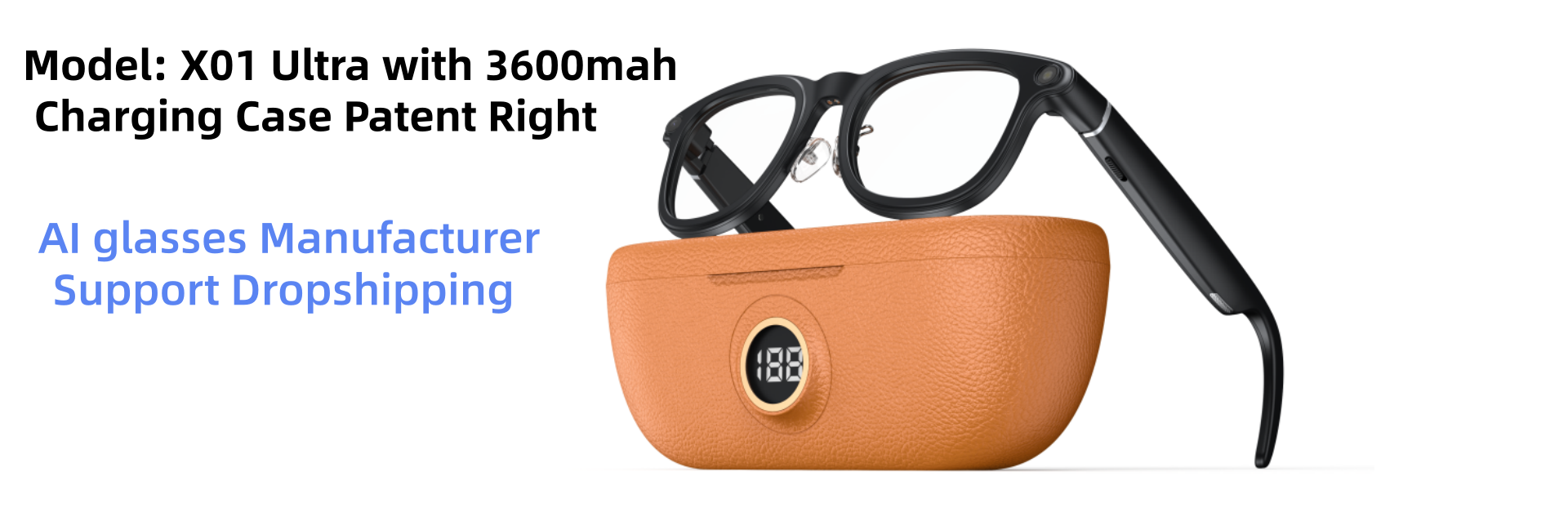
X01 smart AI glasses with charging case and voice assistant
Private Mould

X01 Glasses + Charging Case

Own-tooling platform with 8MP camera, anti-shake stabilisation and exclusive territory options for brands.

  • In-House Mould
  • Exclusive Design
  • Brand Support
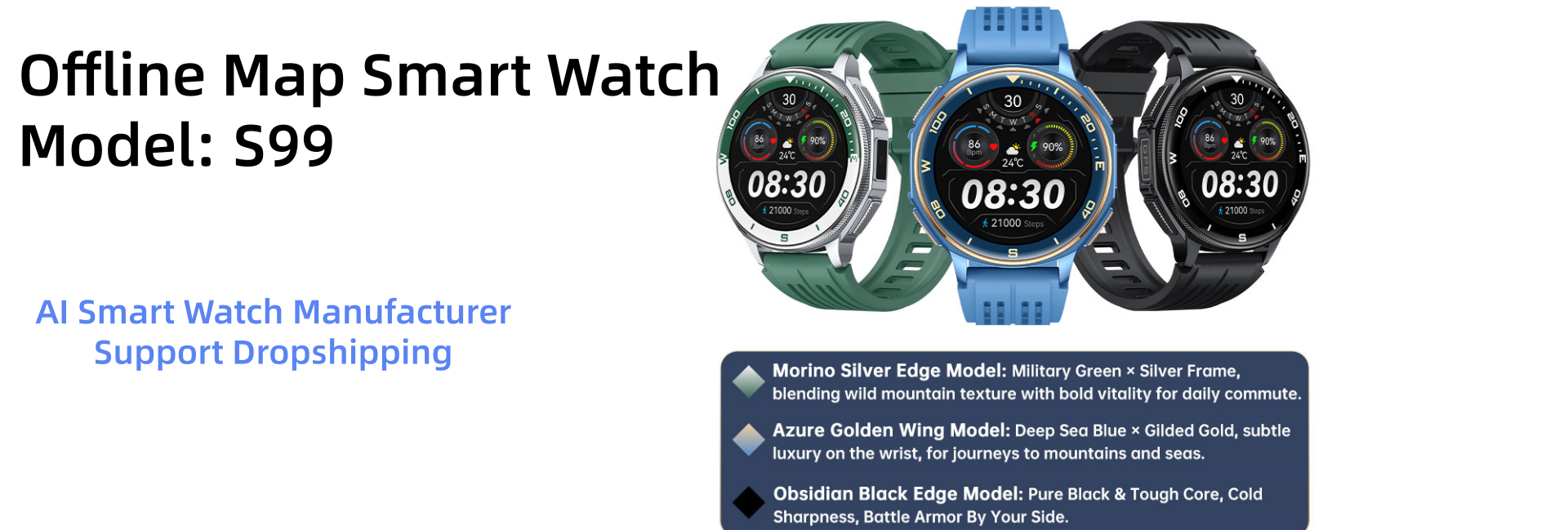
S99 AMOLED dual-frequency GPS outdoor smart watch
Outdoor Series

S99 AMOLED GPS Sport Watch

1.43" AMOLED, dual-frequency GPS, offline maps, 170 sport modes and stainless-steel build.

  • Offline Maps
  • 5ATM Rated
  • 170 Sport Modes
0%

AI Smart Glasses are moving from novelty products toward practical tools for translation, navigation, photography, and hands-free assistance. IDC reported that global augmented and virtual reality headset shipments reached 9.6 million units in 2024, showing renewed interest in immersive hardware. However, smart glasses remain a smaller and less clearly defined category. Market estimates vary widely, so buyers should treat impressive forecasts carefully.

Meta CEO Mark Zuckerberg described glasses as “the ideal form factor for AI,” reflecting their main advantage: information can appear while your hands remain free. That benefit feels real when captions appear during a conversation or directions guide you across a busy airport. It also creates limits. Battery life, privacy indicators, prescription compatibility, regional availability, and voice recognition quality still differ sharply between models.

This guide compares seven AI Smart Glasses for global buyers using practical criteria, including assistant capabilities, camera performance, comfort, connectivity, language support, and after-sales service. Counterpoint Research has identified strong growth in smart-glasses shipments, particularly through Ray-Ban Meta’s popularity. Yet sales momentum does not guarantee universal usefulness. A fashionable frame may still struggle in bright sunlight or noisy streets.

The selection is not perfect. Product software changes quickly, and some features depend on country-specific services. Buyers should verify warranty coverage and data policies before ordering internationally. The best pair is not always the most advanced. It is the pair that works reliably during ordinary moments.

7 Best AI Smart Glasses for Global Buyers

AI Smart Glasses Defined: Displays, Cameras, Sensors, and Voice Assistants

AI smart glasses combine four working layers: a display, cameras, sensors, and a voice assistant. The display may show navigation arrows, captions, or short messages near the user’s view. Cameras interpret text, objects, and surroundings. Motion, light, depth, and audio sensors help the system understand movement and context. Voice assistants connect these inputs to hands-free commands.

Market forecasts explain the growing interest. Grand View Research estimated the global smart glasses market at about USD 1.6 billion in 2023, with rapid growth expected through 2030. MarketsandMarkets also projects strong expansion for augmented-reality hardware during this decade. These figures describe broad categories, not every AI model. That distinction matters.

For global buyers, test the complete experience rather than the feature list. Read a restaurant menu in bright light. Then try a quiet voice command outdoors. Check whether captions lag, camera indicators remain visible, and controls work without constant cloud access. A useful display should stay readable without blocking normal vision. Sensors should react smoothly, not overcorrect every head movement. Privacy deserves equal attention. Review storage settings, microphone controls, processing locations, and deletion options.

The category is still uneven. Some assistants misunderstand accents. Some cameras struggle at night. I would not trust a first impression. Independent reviews, technical specifications, software support, and local compliance information provide stronger evidence than polished demonstrations. Small details decide comfort: frame weight, heat near the temples, battery life, and prescription compatibility.

Market Evidence: Grand View Research Projects 27.4% CAGR Through 2030

7 Best AI Smart Glasses for Global Buyers

Grand View Research projects a 27.4% compound annual growth rate for the AI smart glasses market through 2030. That figure signals strong demand, but it is not a guarantee of product quality or sales performance. Buyers should examine the evidence behind each device. Voice accuracy, camera response, battery endurance, and software support matter more than a polished product video.

A useful test starts in ordinary conditions. Read a short message beside a busy street. Ask the assistant for directions inside a dim shop. Check whether captions remain readable after several minutes. Lightweight frames help during long commutes, while balanced weight reduces pressure near the nose and ears. Clear microphones also matter in windy outdoor spaces. Small details decide daily comfort.

The market still has weaknesses. Batteries may last only part of a working day, and some features depend on a stable internet connection. Translation can fail with accents or background noise. That is easy to overlook. Buyers should also review local privacy requirements before using cameras or recording functions in public. Independent reviews, warranty terms, repair access, and update history provide stronger evidence than launch claims. A high CAGR suggests opportunity, yet careful comparison remains necessary for global purchasing decisions.

Evaluation Framework: AI, Battery Life, Connectivity, Privacy, and Price

Choosing AI smart glasses for global use requires more than comparing camera resolution. I test voice prompts in quiet rooms, busy sidewalks, and weak indoor lighting. The best systems recognize speech accurately, respond quickly, and reduce phone handling. AI quality should include language support, offline behavior, and clear limits. A confident wrong answer remains a failure. My early scoring sheet ignored this point. Small details matter.

Battery life needs practical measurement. Record calls, translations, navigation prompts, and standby time separately. A claimed full day may shrink after frequent camera use. Charging speed matters when ten minutes restores only a small percentage. Connectivity also deserves field testing. Check Bluetooth range, Wi-Fi handoff, phone compatibility, and connection recovery. Test them in crowded stations, not only at a desk. That feels different.

Privacy is not decorative. Check recording indicators, storage controls, account permissions, deletion tools, and cloud-processing explanations. Users should know when audio or images leave the device. Requirements differ by country, workplace, and public setting, so verify local rules before buying. For price, compare lenses, prescription support, accessories, subscriptions, repairs, and replacement coverage. A cheaper frame can become expensive. Privacy gets complicated. I still find policies difficult to compare, making transparent documentation more valuable than polished advertising.

Seven Best AI Smart Glasses Compared by Features, Regions, and Use Cases

7 Best AI Smart Glasses for Global Buyers
Seven Best AI Smart Glasses Compared by Features, Regions, and Use Cases

Choosing the seven best AI smart glasses depends on more than camera quality. Real-world value comes from comfort, battery life, microphone clarity, privacy controls, and reliable phone support. A camera-first pair suits travelers and creators who need quick photos. An audio-first design works better for calls, podcasts, and hands-free directions. A translation-focused model helps in airports, shops, and meetings, but language coverage can vary by region. Check this carefully.

The strongest navigation glasses use voice prompts, location services, and open-ear speakers. They are useful for walking, cycling, and unfamiliar streets. Accessibility-focused glasses can read signs, describe objects, or enlarge visual details. Work-oriented models may support notes, reminders, and remote assistance. Outdoor versions need stronger lenses, water resistance, and stable controls under bright sunlight. Seven categories, seven different priorities.

Regional support changes the buying decision. Some features require local applications, cloud access, or approved language services. Connectivity may also differ between Europe, Asia, North America, and smaller markets. A good evaluation should test setup time, speech accuracy, heat, and one-handed controls. Privacy deserves equal attention. Choose visible recording indicators and clear data settings. I would not trust every advertised battery figure. My own preference is practical: comfortable frames, dependable audio, and fewer impressive but unreliable features. The “best” pair may still feel limited after a long afternoon.

Global Buyer Guide: Standards, Compatibility, Data Protection, and Support

Choosing among the seven best AI smart glasses requires more than checking camera quality. Standards decide daily usability.

Look for Bluetooth and Wi-Fi support, USB-C charging, and compatibility with both major mobile operating systems. Check the exact app requirements before purchase. A polished specification sheet can still hide regional restrictions. In practical testing, pairing stability matters more than a higher theoretical data rate. Confirm the protection rating against IEC 60529, but remember that water resistance can decline after impacts or repairs.

Data protection deserves equal attention. The 2024 Verizon Data Breach Investigations Report analyzed 30,458 security incidents, including 10,626 confirmed breaches. Choose glasses with visible recording indicators, encrypted transfers, permission controls, and clear deletion settings. Ask where voice recordings and images are processed. IBM’s 2024 Cost of a Data Breach Report placed the global average breach cost at 4.88 million dollars. That figure concerns organizations, but it shows why cloud handling should not be an afterthought. Firmware support, warranty coverage, local repair options, and response times also separate reliable products from attractive experiments.

Tips: Test pairing in your country before ordering. Read the privacy policy twice. Confirm language support, return rules, and replacement-part availability. I would also keep expectations modest; gesture control and voice recognition still fail in noisy streets.

FAQS

What should buyers examine before choosing AI smart glasses?

Check voice accuracy, camera response, battery endurance, software updates, warranty terms, and repair access. Polished videos prove little.

How can buyers test voice performance realistically?

Try short voice prompts indoors, beside traffic, and in dim shops. Background noise matters. A confident wrong answer remains a failure.

How long should the battery last?

Measure calls, translations, navigation, camera use, and standby separately. Frequent camera use may shorten a claimed full day. Ten minutes of charging might restore very little.

What connectivity features are important?

Check Bluetooth range, Wi-Fi handoff, phone compatibility, and reconnection speed. Test pairing in crowded stations, not only at a desk.

Do AI smart glasses work without internet access?

Some functions may depend on stable internet connections. Check offline behavior and language support before buying. Do not assume.

How should users evaluate privacy?

Look for recording indicators, encrypted transfers, permission controls, cloud-processing details, and deletion tools. Confirm where audio and images are processed. Read the policy twice.

What comfort details matter during daily use?

Lightweight, balanced frames reduce pressure near the nose and ears. Check caption readability after several minutes. Small discomfort grows.

What should global buyers check for compatibility and support?

Confirm mobile-system compatibility, charging standards, regional app access, return rules, and replacement-part availability. Water resistance can decline after impacts or repairs.

How should buyers compare prices?

Include lenses, prescription support, accessories, subscriptions, repairs, and replacement coverage. A cheaper frame can become expensive. I sometimes underestimate those hidden costs.

Are AI smart glasses reliable in every environment?

No. Accents, wind, weak lighting, and crowded streets can reduce performance. Expect occasional failures. Compare independent testing with official claims.

Conclusion

AI Smart Glasses are wearable devices that combine compact displays, cameras, sensors, microphones, and voice assistants to deliver hands-free information and interaction. This article explains how these technologies work and examines the market’s growth, including the projected 27.4% CAGR through 2030. It also introduces a practical evaluation framework covering artificial intelligence capabilities, battery life, connectivity, privacy controls, comfort, durability, and price.

The guide compares seven leading categories of AI Smart Glasses according to features, regional availability, and common use cases such as navigation, communication, productivity, accessibility, and entertainment. For global buyers, it highlights important considerations including wireless and charging standards, smartphone and operating-system compatibility, language support, data protection, warranty coverage, software updates, and local customer service. The goal is to help readers choose suitable smart glasses responsibly, balancing innovation, usability, privacy, and long-term value.

Ethan

Ethan

Ethan is a professional marketing specialist dedicated to helping customers better understand the value, quality, and practical applications of our company’s products. With extensive knowledge of product features, industry trends, customer needs, and market development, he creates clear, reliable,......