Awia Electronic Commerce Co., Ltd. • AI Smart Glasses & Wearables Manufacturer since 2014
Shenzhen, Guangdong, China • Verified Supplier & TÜV Rheinland Assessed Email: info@awiatech.com
Awia Electronic Commerce Co., Ltd. logo AWIA Smart Wearable Factory
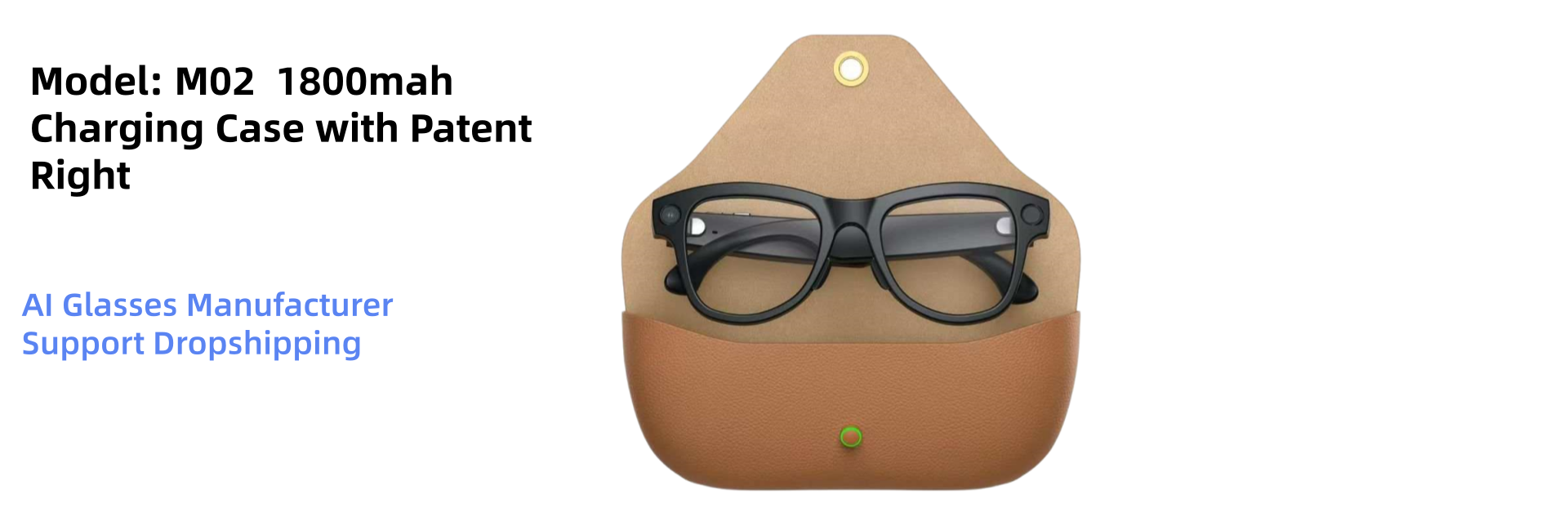
M02X AI smart glasses with 8MP anti-shake camera and charging case
Top Sales

M02X AI Smart Glasses 8MP Anti-Shake

Camera eyewear with voice AI assistant, WiFi transfer and image translation — engineered for resale-ready branding.

  • AI Glasses Manufacturer
  • OEM / ODM
  • Dropshipping Ready
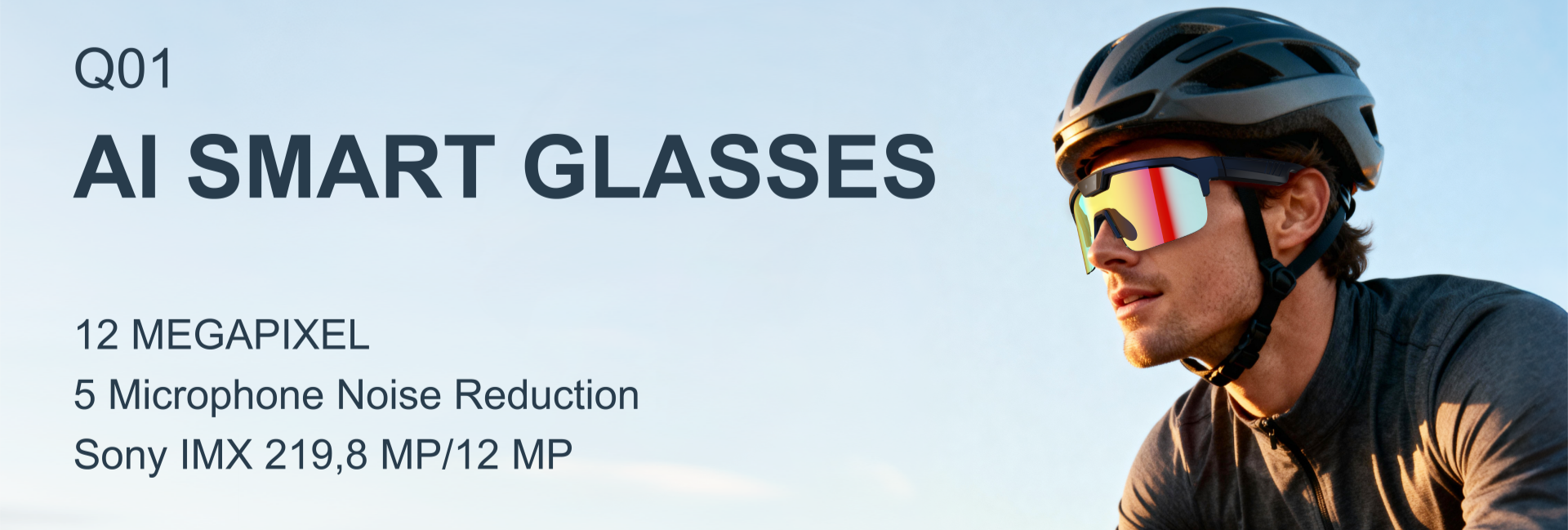
AI smart glasses product line with translation and ChatGPT voice assistant
AI Wearables

Real-Time Translation Eyewear

ChatGPT-class voice assistant, 40+ language translation and hands-free capture in one lightweight frame.

  • CE / FCC / RoHS
  • Custom Firmware
  • Private Mould
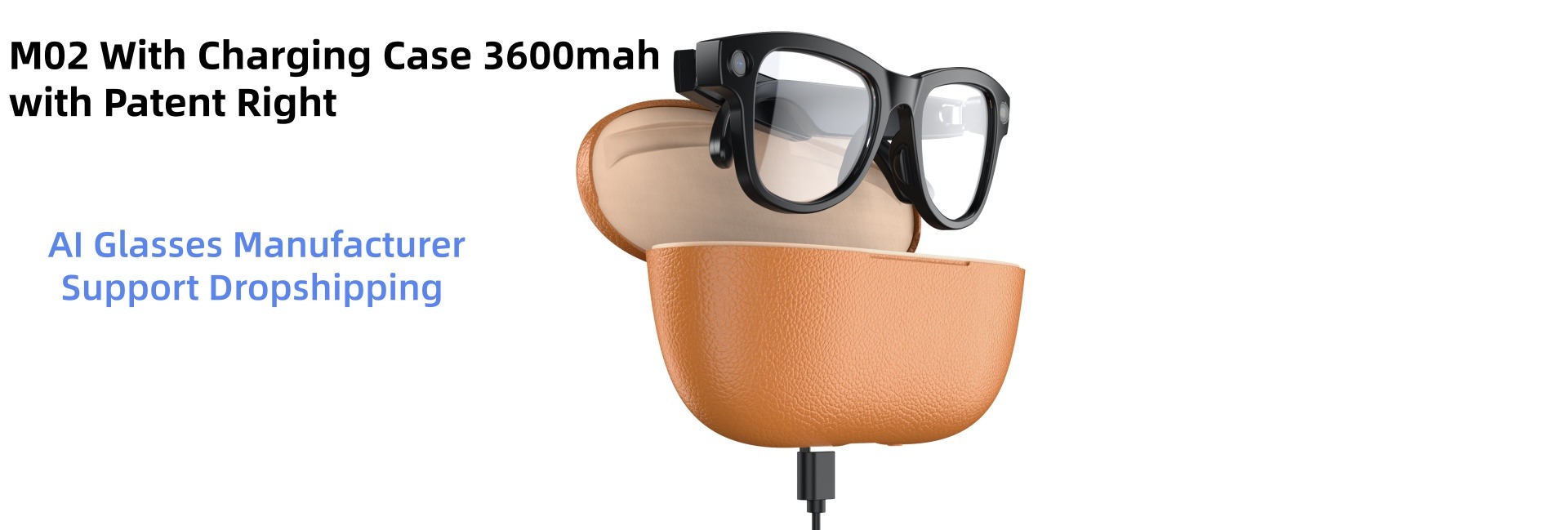
M02X Ultra 4K camera sunglasses with charging case
Amazon Hot Selling

4K Camera Sunglasses With Charging Case

4K / 1080P capture, interchangeable sunglass lenses and a pocket charging case for all-day shooting.

  • 4K Video
  • 3600mAh Case
  • Retail Packaging
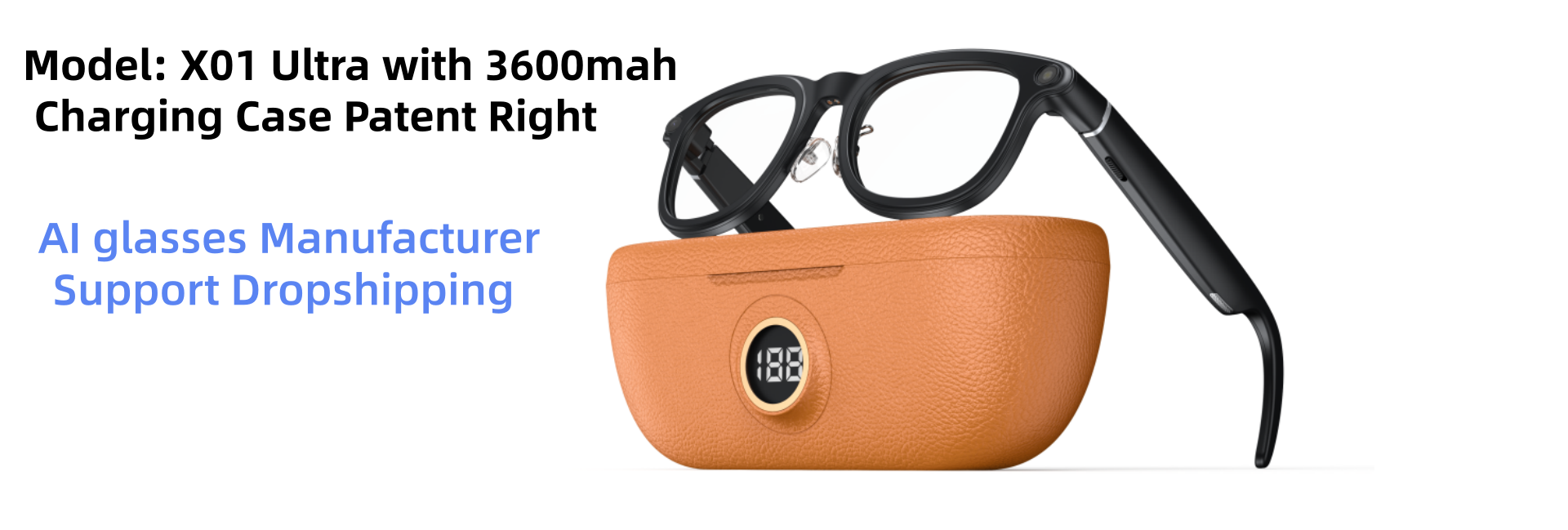
X01 smart AI glasses with charging case and voice assistant
Private Mould

X01 Glasses + Charging Case

Own-tooling platform with 8MP camera, anti-shake stabilisation and exclusive territory options for brands.

  • In-House Mould
  • Exclusive Design
  • Brand Support
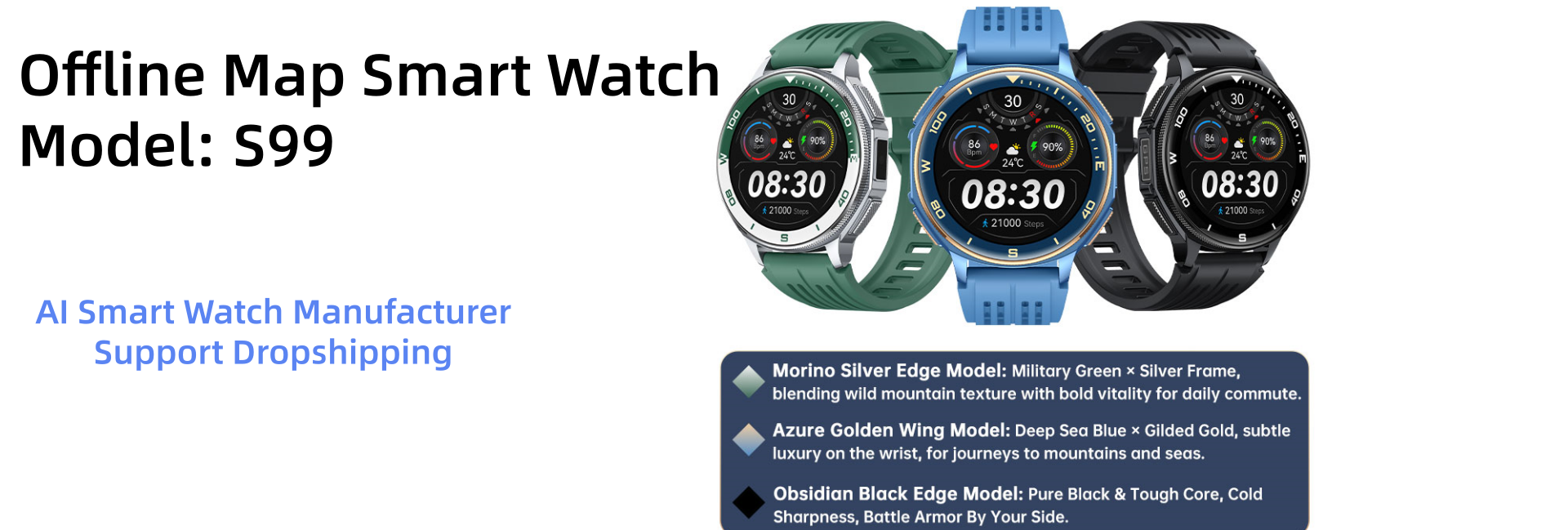
S99 AMOLED dual-frequency GPS outdoor smart watch
Outdoor Series

S99 AMOLED GPS Sport Watch

1.43" AMOLED, dual-frequency GPS, offline maps, 170 sport modes and stainless-steel build.

  • Offline Maps
  • 5ATM Rated
  • 170 Sport Modes
0%

Choosing a Sports Smart Bracelet manufacturer is no longer just a matter of comparing step counts. Buyers need dependable heart-rate readings, clear app dashboards, stable battery life, and production quality that holds across large orders. The market is expanding. IDC reported that worldwide wearable-device shipments reached 534.6 million units in 2024, up 6.1% year over year. The American College of Sports Medicine’s 2025 Worldwide Fitness Trends survey also ranked wearable technology as the leading fitness trend. These figures signal strong demand, but they cover broad wearable categories—not sports bracelets alone. The gap matters.

A useful perspective comes from wearable-technology executive Tim Cook. In a 2019 CNBC interview, he said, “If you zoom out into the future, and you look back, and you ask, ‘What was Apple’s greatest contribution to mankind?’ It will be about health.” His remark speaks to the wider promise of wearable devices, not to the performance of any single bracelet. For global buyers, the practical test is more specific: Can the manufacturer support sensor testing, firmware updates, app localization, and consistent quality between samples and bulk production? A polished product photo proves little. Ask for test records, inspect the companion app, and compare real battery performance under continuous tracking. Details matter.

This guide to 2026’s top Sports Smart Bracelet manufacturers considers product capability, customization, manufacturing experience, and buyer support. Rankings can never capture every factory’s performance. Supplier claims still need verification. A strong shortlist is a starting point, not a substitute for due diligence.

2026 Top Sports Smart Bracelet Manufacturers for Global Buyers

What Sports Smart Bracelets Are and How They Are Used

A sports smart bracelet is a lightweight wearable that tracks activity from your wrist. Depending on its sensors and settings, it may record steps, heart rate, workout duration, sleep patterns, or distance estimates. During a morning run, the screen might show elapsed time and pace while the device logs movement for later review. Simple, but useful.

People use these records to notice routines, set manageable training goals, and check whether activity changes over time. A bracelet can also provide vibration alerts for calls or reminders, helping users keep a phone tucked away during exercise. Features vary by model, and wrist-based readings can become less reliable when the fit is loose, movement is intense, or skin contact is poor. Treat the numbers as guidance, not a diagnosis. I sometimes find trend data more useful than a single daily score, though even trends need context.

Tips: Wear the bracelet snugly, but not painfully tight. Check its sensor and water-resistance details before choosing a sport. Compare readings across several sessions rather than reacting to one unusual result. Remove it and clean the contact area after sweaty workouts.

2026 Top Sports Smart Bracelet Manufacturers for Global Buyers - What Sports Smart Bracelets Are and How They Are Used

Sports smart bracelets are wrist-worn electronic devices that track activity and, on many models, exercise and health-related measurements. The specifications below describe common product options, not guaranteed features or performance; actual capabilities vary by model and manufacturer.

Product or Feature What It Is Common Data or Capability How It Is Used What Global Buyers Should Check
Everyday fitness bracelet A lightweight wrist-worn tracker designed for daily activity monitoring. Common functions include step counting, estimated distance, active-time tracking, and sleep tracking. Users monitor general movement and review activity summaries in a paired mobile app. Check phone and app compatibility, supported languages, data privacy terms, charging method, and availability of app updates.
Heart-rate tracking Many bracelets use optical sensors that detect changes in blood flow at the wrist. May provide periodic or continuous heart-rate estimates, depending on the model and settings. Used to review heart-rate trends during rest and exercise. Wrist readings can be affected by fit, movement, skin contact, and other factors. Ask how measurements are collected and displayed. Do not present a consumer bracelet as a medical diagnostic device unless it has the relevant authorization for the target market.
Workout modes Software profiles that organize activity data for selected exercise types. Common options include walking, running, cycling, and indoor workouts; available modes vary by model. Users select a mode before or during exercise to record workout duration and related estimates. Confirm which activities are supported, whether workout data can be exported, and whether the interface and documentation are localized.
GPS and location tracking Some bracelets include a built-in satellite-positioning receiver; others use location data from a paired phone. Location-enabled models may record routes and outdoor distance. Built-in GPS generally uses more battery during tracking. Used for mapping outdoor routes and reviewing pace or distance after a workout. Clarify whether GPS is built in or phone-dependent, which satellite systems are supported, and how location data is handled.
Motion sensors Accelerometers and, in some products, gyroscopes detect movement and changes in orientation. Sensor data can support step counts, activity recognition, and movement-based estimates. Used to help identify activity and provide movement summaries; outputs are estimates rather than direct measurements of every activity. Request information about supported functions and validation methods. Avoid assuming that a sensor’s presence guarantees a particular level of accuracy.
Sleep and recovery features Software estimates sleep periods using signals such as movement and, on some models, heart-rate data. May show sleep duration, timing, or estimated sleep stages, depending on the product. Users review patterns over time to support personal wellness routines. Check how the product describes estimates, what data is stored, and whether users can delete or export their information.
Water resistance A product’s resistance to water is specified by its manufacturer using a stated rating or test conditions. Capabilities differ by model. A water-resistance claim does not automatically mean a device is suitable for every water activity. May support use in conditions specified in the product documentation, such as exposure to rain or swimming for certain models. Request the exact rating, test basis, and care instructions. Check any limits for hot water, diving, salt water, and wear over time.
Battery and charging Battery capacity, display type, sensor settings, GPS use, and software affect operating time. Battery life is model- and usage-dependent; frequent GPS use and an always-on display can increase power consumption. Users recharge the bracelet using its supplied cable, dock, or other specified charging method. Ask for battery-life test conditions, charging time, battery type, replacement or service options, and charger requirements for the destination market.
Bluetooth and mobile app Many bracelets connect wirelessly to a phone to sync data and settings. Features depend on the wireless implementation, phone operating system, app, and regional availability. Used to view activity history, adjust settings, receive selected notifications, and install available software updates. Verify supported operating-system versions, pairing requirements, regional app access, notification support, and the manufacturer’s data-security practices.
Fit, strap, and display Bracelets may use different case sizes, strap materials, fastening systems, and display types. Design choices affect comfort, readability, fit range, and suitability for different users. A comfortable fit helps keep the device in place during daily wear and exercise. Review dimensions, adjustable wrist range, material specifications, replacement-strap availability, display readability, and applicable material-compliance documents.
Manufacturing and sourcing review A buyer assessment of a supplier’s production, quality, and documentation processes. Relevant evidence can include product specifications, inspection records, test reports, and traceability procedures. Used to assess whether a product is suitable for the buyer’s market, order requirements, and intended use. Request samples and current documentation; verify applicable radio, electrical, chemical, labeling, and battery-transport requirements for each destination market.

Key Technologies and Features in 2026 Sports Smart Bracelets

In 2026, sports smart bracelets combine optical sensors, motion tracking, and low-power wireless links in compact wrist-worn devices. Green and red LEDs illuminate the skin, while photodiodes detect blood-volume changes to estimate heart rate. During intervals, a loose strap or cold hands can distort readings. Fit matters more than a crowded dashboard.

A three-axis accelerometer and gyroscope can distinguish walking, running, and repeated arm movement, while GNSS support may map outdoor routes. Built-in GNSS uses more power, so some bracelets rely on a paired phone for location data.

Useful detail. Sleep and recovery scores interpret trends rather than diagnose conditions. Algorithms differ, and one score can mislead.

For buyers, check display readability under noon sun, button use with sweaty fingers, and battery life with GPS active. Water resistance ratings, charging contacts, and strap comfort deserve hands-on testing. Bluetooth syncing should recover smoothly after a phone loses connection, and app permissions should be clear. Sensor readings still vary. That limitation deserves honest documentation, not just a polished chart.

How to Evaluate Sports Smart Bracelet Manufacturers

How to Evaluate Sports Smart Bracelet Manufacturers

A supplier’s product page is only a starting point. Check whether its sample matches the final production unit, including strap material, screen brightness, and sensor placement. The ACSM Worldwide Survey of Fitness Trends 2025 ranked wearable technology as the leading fitness trend, drawing on responses from more than 2,000 fitness professionals. That demand makes dependable measurements and repeatable production especially important. Ask manufacturers for heart-rate test methods, workout-condition results, and device-to-device consistency data—not just headline accuracy claims.

Review factory quality controls, component traceability, battery test records, and how defects are handled. IDC reported 534.6 million wearable-device shipments worldwide in 2024; this broad category includes more than sports bracelets, but it signals a crowded, fast-moving supply chain. Request a pilot batch and inspect units after charging, sweating, and repeated strap adjustments. A polished demo can still hide inconsistent assembly. I would also check whether the supplier can explain failed tests plainly; vague answers are a warning sign.

Tips: Ask for a written sample-to-mass-production checklist, test a small batch with real workouts, and confirm how firmware updates are managed. Don’t rely on one impressive sample.

Profiles of Leading Sports Smart Bracelet Manufacturers

A strong sports smart bracelet manufacturer is more than an assembly line. Global buyers should examine its experience with optical heart-rate sensors, motion tracking, battery tuning, and waterproof enclosure design. IDC reported 534.6 million wearable-device shipments worldwide in 2024, up 6.1% year over year, in its Worldwide Quarterly Wearable Device Tracker. That broad market figure is not specific to sports bracelets, but it signals growing competition and higher expectations for reliable daily tracking.

Leading manufacturers typically fall into three profiles. Engineering-led OEMs help buyers refine sensor placement, firmware, and app connections. High-volume ODMs offer established designs and faster production, though customization may be limited. Specialist factories focus on details such as sweat-resistant straps, clear outdoor displays, and stable readings during interval training. Ask for repeatability data, battery results under continuous GPS use, and sample units tested across different wrist sizes. A polished demo is not enough.

Look closely at quality controls: incoming sensor checks, production-line calibration, and documented final inspections. Request test reports and clarify how firmware updates and defect claims are handled. Small details matter. Even so, a factory audit cannot guarantee every batch will perform identically; buyers should verify samples independently and keep checking early shipments. That extra work can feel slow. It is often where supplier profiles become meaningfully different.

2026 Top Sports Smart Bracelet Manufacturers for Global Buyers — Profiles of Leading Sports Smart Bracelet Manufacturers

A buyer-focused reference for evaluating whether a sports bracelet can track weekly activity targets. The ranges shown are WHO recommendations, not manufacturer specifications or company rankings.

WHO recommends adults complete 150–300 minutes of moderate-intensity aerobic activity, or 75–150 minutes of vigorous-intensity activity, per week. Use these benchmarks when comparing activity tracking and reporting features.

Global Sourcing, Compliance, and Supplier Comparison Factors

Global sourcing for sports smart bracelets starts with a clear destination-market list. Ask each supplier which radio, battery, material, and labeling requirements apply to those markets. Requirements differ, so verify claims against current local guidance and qualified testing documentation. Ask for dated reports, product model numbers, and the tested configuration. A report for a similar device may not cover your exact version.

Check practical shipment and data details, too. Confirm battery transport documents, packaging specifications, and who handles customs paperwork. For app-connected bracelets, request a plain explanation of data storage, access controls, and update support. Small details matter. Paperwork alone does not prove steady production quality; inspect a pre-production sample and, where possible, arrange an independent factory or product check.

Compare suppliers using the same scorecard. Record sample accuracy across repeat walks, heart-rate readings during movement, water-resistance test conditions, and battery life with stated settings. Ask about minimum order quantities, lead times, spare units, defect remedies, and firmware changes after delivery. Ask for evidence. A low quote can hide costly rework, while a polished sample may not match bulk output. Even a detailed comparison can miss something; I would recheck the test setup before treating one supplier as the clear choice.

FAQS

How do sports smart bracelets estimate heart rate?

Green or red LEDs shine onto the skin. Photodiodes detect blood-volume changes and estimate heart rate. Fit matters.

Why can heart-rate readings become unreliable during exercise?

A loose strap, cold hands, or vigorous arm movement can affect readings. The screen may still look convincing.

How do bracelets track movement and outdoor routes?

Accelerometers and gyroscopes recognize movement patterns, such as walking or running. Some models use built-in GNSS; others use a paired phone.

Does built-in GNSS affect battery life?

It can use more power, especially during continuous route tracking. Check battery performance with GPS active, not only in standby.

Should sleep and recovery scores be treated as medical results?

No. They interpret trends, not diagnose conditions. Algorithms differ, so one score can be misleading.

What should buyers test on a sample bracelet?

Check screen readability in noon sunlight, button use with sweaty fingers, strap comfort, and charging contacts. Try it during real workouts.

How can buyers assess a manufacturer’s quality controls?

Ask for sensor test methods, battery records, component traceability, and documented final inspections. Vague answers deserve a closer look.

Why request a pilot batch before placing a larger order?

Test several units after charging, sweating, and repeated strap adjustments. One polished sample proves little.

What details matter when comparing manufacturer profiles?

Ask about sensor placement, firmware updates, waterproof enclosure testing, and production consistency. Customization may be limited. That can be easy to miss.

Conclusion

A Sports Smart Bracelet is a wearable device designed to support training, activity tracking, and everyday wellness. In 2026, these bracelets may combine motion sensors, heart-rate monitoring, sleep and recovery insights, GPS connectivity, and companion-app features. The most suitable design depends on how it will be used, whether for running, fitness classes, outdoor activities, or general health tracking, as well as expectations for comfort, battery life, durability, and data accuracy.

For global buyers, evaluating manufacturers involves more than comparing product features. Buyers should assess engineering and customization capabilities, quality-control processes, production capacity, communication, lead times, and after-sales support. They should also review relevant product documentation, testing evidence, labeling needs, and destination-market requirements before sourcing. Comparing suppliers against consistent criteria can help businesses identify reliable partners, manage quality and delivery risks, and select a bracelet that fits their users, budget, and intended markets.

Seraphina

Seraphina

Seraphina is a seasoned marketing professional with a strong understanding of customer needs, market trends, and effective digital communication. As a key contributor to our company, she combines strategic insight with hands-on product expertise, helping audiences understand how our solutions can......