M02X AI Smart Glasses 8MP Anti-Shake
Camera eyewear with voice AI assistant, WiFi transfer and image translation — engineered for resale-ready branding.
- AI Glasses Manufacturer
- OEM / ODM
- Dropshipping Ready
Camera eyewear with voice AI assistant, WiFi transfer and image translation — engineered for resale-ready branding.
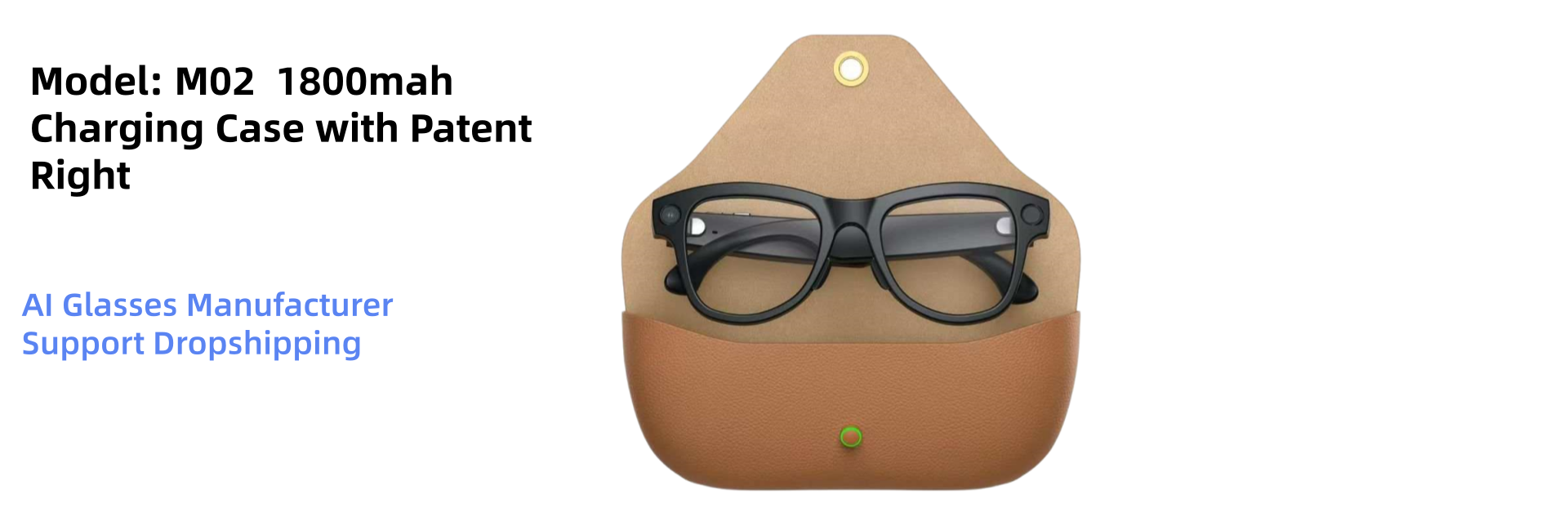
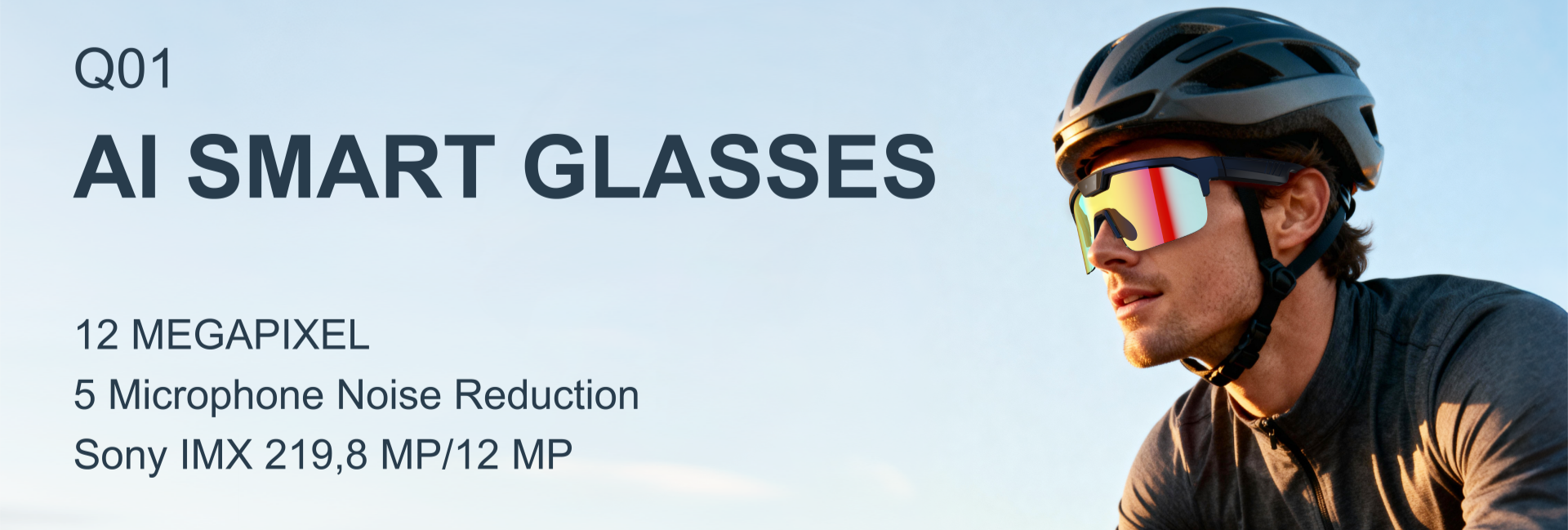
ChatGPT-class voice assistant, 40+ language translation and hands-free capture in one lightweight frame.
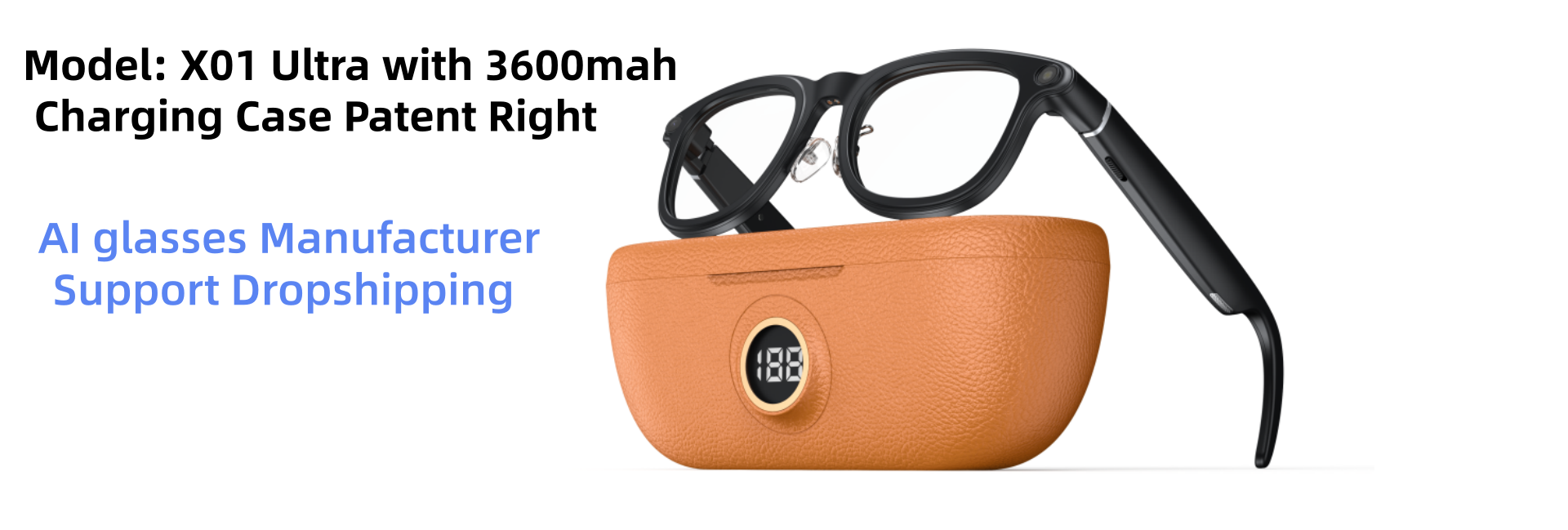
4K / 1080P capture, interchangeable sunglass lenses and a pocket charging case for all-day shooting.
Own-tooling platform with 8MP camera, anti-shake stabilisation and exclusive territory options for brands.
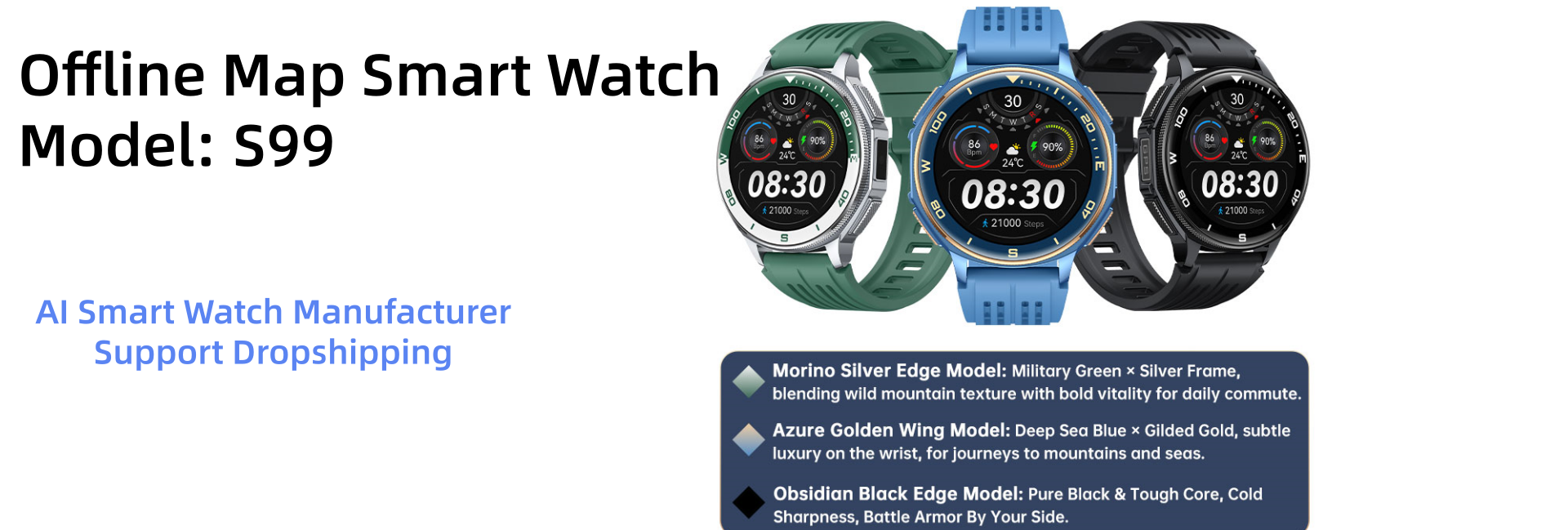
1.43" AMOLED, dual-frequency GPS, offline maps, 170 sport modes and stainless-steel build.
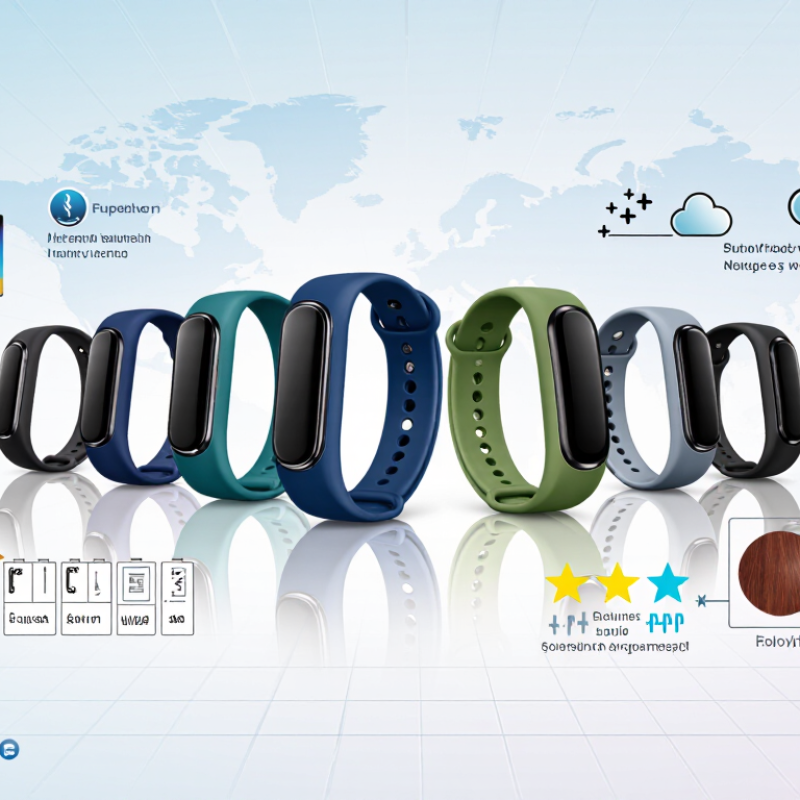
Global buyers are looking beyond bright displays for simpler ways to track everyday activity. A Screen-Free Fitness Band can record steps, sleep, and movement without placing another screen on the wrist. Yet a clean product concept does not guarantee a dependable supply partner. Small details matter.
This 2026 supplier overview is intended to help purchasing teams compare manufacturers with practical questions in mind. Consider sensor consistency, battery life, strap materials, charging design, minimum order quantities, and the quality of sample units. Ask how production changes are communicated, too. A small adjustment to a clasp or charging contact can affect the finished product more than a polished catalog suggests.
For international orders, review realistic lead times, packaging options, customization capacity, and the support available for firmware and companion apps. Confirm specifications directly with each supplier; product pages may not reflect current production details. No supplier is the right fit for every buyer. Price matters, but so do clear communication and repeatable quality. It is easy to overlook the basics when comparing attractive offers. A careful review can help global buyers shortlist Screen-Free Fitness Band suppliers while leaving room to verify claims before committing to a large order.
A screen-free fitness band tracks movement without placing charts on your wrist. Most models use an accelerometer for steps and activity, with optical sensors estimating heart rate. Some also record sleep and breathing patterns. A quiet vibration can mark a walking goal or remind you to move. Simple on the surface.
The American College of Sports Medicine’s 2024 Worldwide Survey of Fitness Trends ranked wearable technology first among 45 fitness trends. That signals strong professional interest, not proof that every band measures well. The World Health Organization recommends adults complete 150–300 minutes of moderate activity weekly. A band can help users notice progress toward that range, but it cannot judge every workout perfectly. Optical heart-rate readings may shift during fast intervals or when the strap sits loosely. A real wrist detail matters.
For buyers, check sensor transparency, battery life, comfort, and phone compatibility. Ask whether the band works without constant app access, and how activity data is stored. Screen-free design reduces wrist distractions, yet offers fewer instant checks during exercise. That trade-off is real. Suppliers should provide clear test methods and explain which features vary by model, rather than presenting estimates as medical measurements.
| Evaluation Area | Typical Technology or Capability | What Global Buyers Should Verify |
|---|---|---|
| Display-free design | No conventional visual screen; some models use a small LED indicator or haptic feedback for basic notifications. | Confirm which functions work on the band itself and which require a companion phone app. |
| Activity sensing | An accelerometer is commonly used to detect movement and estimate steps or activity; results are estimates, not clinical measurements. | Request the supported activity metrics, validation method, and known limitations for different wear positions and activities. |
| Heart-rate monitoring | Some bands use optical sensors to estimate pulse from light signals at the skin. Availability varies by model. | Check whether monitoring is continuous or on demand, and avoid presenting consumer readings as a medical diagnosis. |
| Sleep and recovery insights | Software may use movement and, where available, heart-rate data to estimate sleep duration or patterns. | Review the app’s data definitions, privacy settings, supported languages, and user-data export or deletion options. |
| Wireless connection | Bluetooth Low Energy is commonly used to synchronize wearable data with a compatible smartphone. | Test pairing and synchronization on the intended iOS and Android versions; confirm app availability in target markets. |
| Battery and charging | Runtime depends on battery capacity, sensor use, connection frequency, and software settings. Charging methods differ by model. | Ask for test conditions behind any runtime claim, charging time, battery cycle expectations, and replacement or recycling arrangements. |
| Water resistance | Water-resistance ratings and permitted use are model-specific; a rating does not mean a device is suitable for every water activity. | Check the tested rating, applicable standard, care instructions, and warranty exclusions for swimming, showering, or hot water. |
| OEM and ODM supply | OEM arrangements generally manufacture to buyer specifications; ODM arrangements may adapt an existing design or platform. Scope varies by supplier. | Clarify tooling ownership, firmware and app responsibilities, customization limits, minimum order quantities, lead times, and quality-control procedures. |
| Market access and compliance | Requirements depend on the product and destination market. Wireless products may be subject to radio, electromagnetic compatibility, chemical, and battery rules. | Request applicable test reports and declarations for each destination; verify labeling, importer obligations, and battery transport documentation where relevant. |
| Supplier assessment | A supplier’s manufacturing, software, testing, and after-sales capabilities should be assessed against the buyer’s product requirements. | Compare audited production capability, sample consistency, defect handling, warranty terms, spare-part support, and written delivery commitments. |

Note: Features and compliance obligations vary by model and destination market. Verify specifications and documentation for the exact product before purchase.
For screen-free fitness bands, supplier evaluation should begin with measurement quality, not appearance. IDC’s Worldwide Quarterly Wearable Device Tracker reported 538.9 million wearable-device shipments in 2024, across several product categories. That scale makes consistent production important. Ask suppliers for sensor-validation methods, batch-level inspection records, and sample data from different wrist sizes and activity levels. A polished demo is not enough.
Check the details users will notice during a normal week. Request battery-life results with continuous heart-rate tracking and vibration alerts enabled, not just standby figures. Confirm water-resistance claims with test documentation, and inspect how the band handles sweat, charging, and repeated strap removal. Ask how firmware updates are managed and whether activity data can be exported in a usable format. Small gaps matter.
Review quality systems, component traceability, defect handling, minimum order quantities, and realistic lead times. IDC’s shipment figure includes smartwatches and other wearables, so it should not be read as fitness-band demand alone. Still, it signals a crowded category where supplier claims deserve careful checks. Compare production samples with pre-production units, then repeat key tests after a pilot run. A neat specification sheet can hide uneven manufacturing. No checklist is perfect. I would treat a flawless sample as a starting point, not proof.
Illustrative allocation of buyer evaluation weight across key supplier criteria for screen-free fitness bands. Percentages are a planning framework, not measured market data.
Prioritize product reliability, battery performance, and data privacy, then verify certifications, production capacity, and commercial terms during supplier due diligence.
Screen-free fitness bands suit buyers seeking simple activity tracking without a display. When comparing suppliers, examine sensor specifications, battery life, app compatibility, and data export options. Ask for test reports and sample units before approving a large order. A band may feel comfortable in a brief trial but irritate skin after a full day of wear.
Reliable suppliers should explain how they verify step counts, heart-rate readings, and water resistance. Request details on testing conditions; broad claims alone are difficult to assess. Check whether the companion app supports your target devices and languages. Small details matter. Packaging, charging cables, and clear user instructions can affect returns just as much as the sensor itself.
For global purchasing, confirm production capacity, sample lead times, quality checks, and shipping terms in writing. Ask how defects are recorded and handled, then compare the answer with the supplier’s stated warranty.
Screen-free fitness bands suit buyers who want activity tracking without a display, but supplier capabilities vary. Ask how step counts, sleep estimates, and heart-rate readings are tested across different wrist sizes. Request sample units and compare them during ordinary walks and overnight wear. Small differences matter. A loose strap can distort readings, while a stiff clasp may frustrate users.
Customization often covers strap colors, materials, packaging, and app interfaces. Some suppliers can also adjust firmware settings or provide data exports, but these changes may require engineering time and a larger order. Confirm ownership of artwork and the process for approving production samples. Ask for written details, not just a polished demonstration. One overlooked issue is whether replacement straps will remain available months later.
Pricing depends on order volume, materials, customization, and quality checks. Compare item cost with tooling, sample fees, packaging, freight, and inspection charges. A low quote may exclude useful testing. Request a tiered quotation, such as prices for 500, 2,000, and 5,000 units, and check the minimum order quantity. Lead times deserve equal attention. Seasonal delays can disrupt launches. Supplier claims should be verified with dated test reports, clear warranty terms, and a small pilot order. That takes effort, and it is not foolproof, but it can reveal fit or consistency problems before a larger commitment.
Selecting a screen-free fitness band supplier starts with checking whether the company can make the product consistently, not just show a polished sample. Request business details, factory location, production capacity, and references from recent buyers. Ask for a video call that shows the assembly area and packaging line. Then order samples from different production runs, if possible.
Compare strap flexibility, clasp strength, weight, and charging behavior against written specifications.
Small details matter.
A useful reminder: one clean sample proves little.
Ask the supplier to explain how it checks step tracking, battery performance, water resistance, and defects before shipment. Request test records and agree on acceptable tolerances in writing. Clarify production timelines, payment milestones, packaging, shipping terms, and who handles quality issues.
Use a pre-shipment inspection for larger orders, with photos and a clear checklist. Keep decisions in email or shared documents, not only chat messages. Time zones can slow replies. Build that delay into your schedule.
If answers change between the sales contact and factory team, pause and ask for confirmation before paying a deposit. Even careful checks cannot remove every risk, so start with a manageable order and review the results before scaling up.
Start with measurement quality, not appearance. Ask how the supplier validates sensors and inspects each production batch.
Request readings from different wrist sizes and activity levels. A polished demo is not enough.
Ask for results with continuous heart-rate tracking and vibration alerts enabled. Standby figures alone can mislead.
Request test documentation. Inspect how the band handles sweat, charging, and repeated strap removal.
Confirm support for target devices and languages. Ask whether activity data can be exported in a usable format.
Get production capacity, sample lead times, minimum order quantities, quality checks, and shipping terms in writing.
Compare pre-production samples with units from a pilot run. Repeat key tests. A flawless sample proves little.
Fit, movement, and individual users can affect readings. Not always. I would treat consistent results as something to verify, not assume.
This guide explores what makes a Screen-Free Fitness Band useful, including activity tracking, comfort, battery life, durability, and reliable data synchronization without relying on a display. It also explains how global buyers can assess suppliers by examining product quality, manufacturing capacity, communication, customization options, certifications, and the consistency of their production processes.
The article compares supplier capabilities and pricing considerations, from standard models to customized designs, while emphasizing that the lowest quote may not represent the best overall value. Buyers are encouraged to request samples, confirm specifications and lead times, clarify quality-control procedures, and agree on clear communication and delivery expectations. A careful verification and supplier-management process can help reduce sourcing risks and support a dependable long-term partnership.