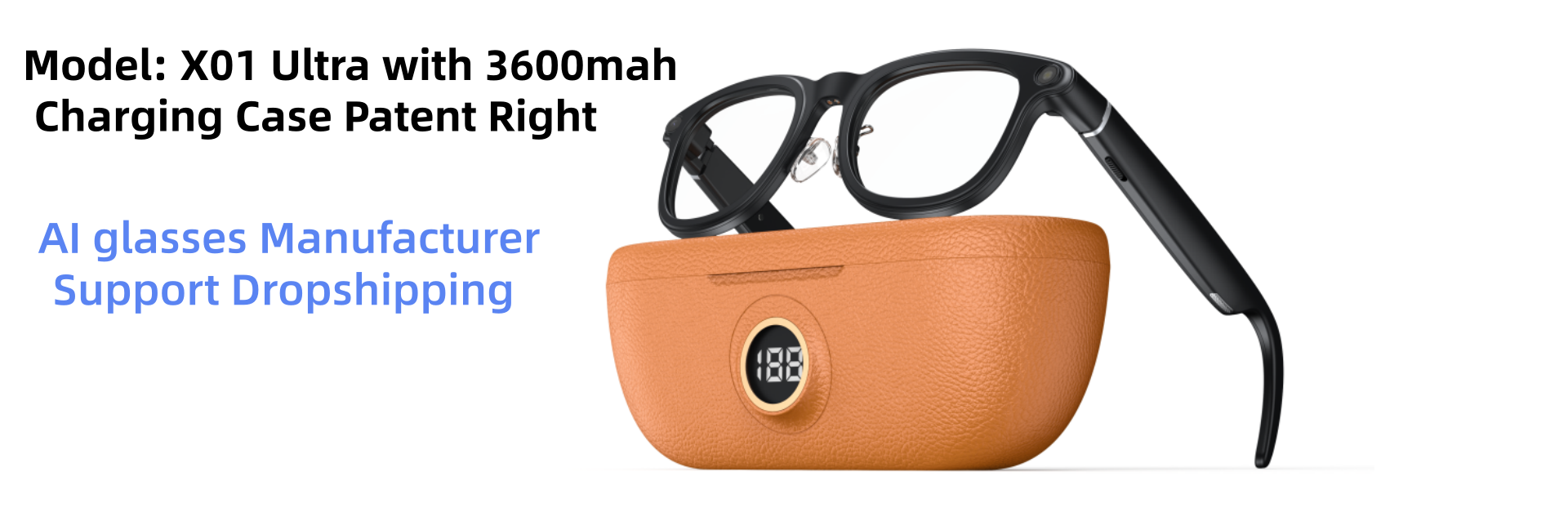
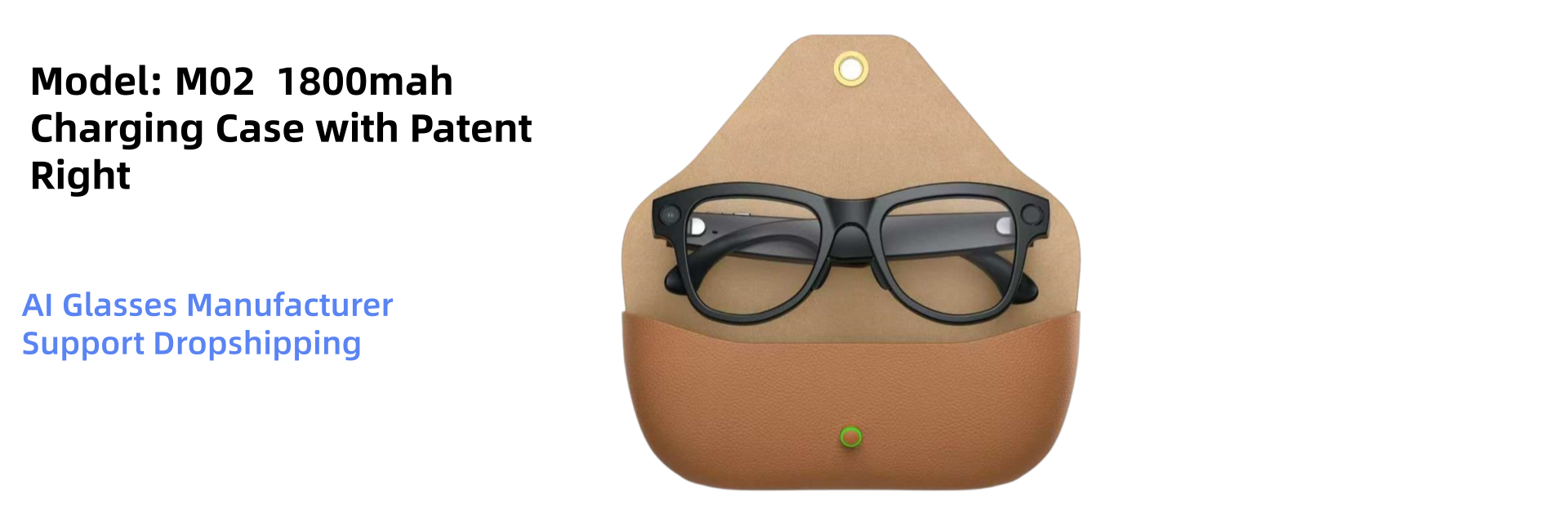
M02X AI Smart Glasses 8MP Anti-Shake
Camera eyewear with voice AI assistant, WiFi transfer and image translation — engineered for resale-ready branding.
- AI Glasses Manufacturer
- OEM / ODM
- Dropshipping Ready
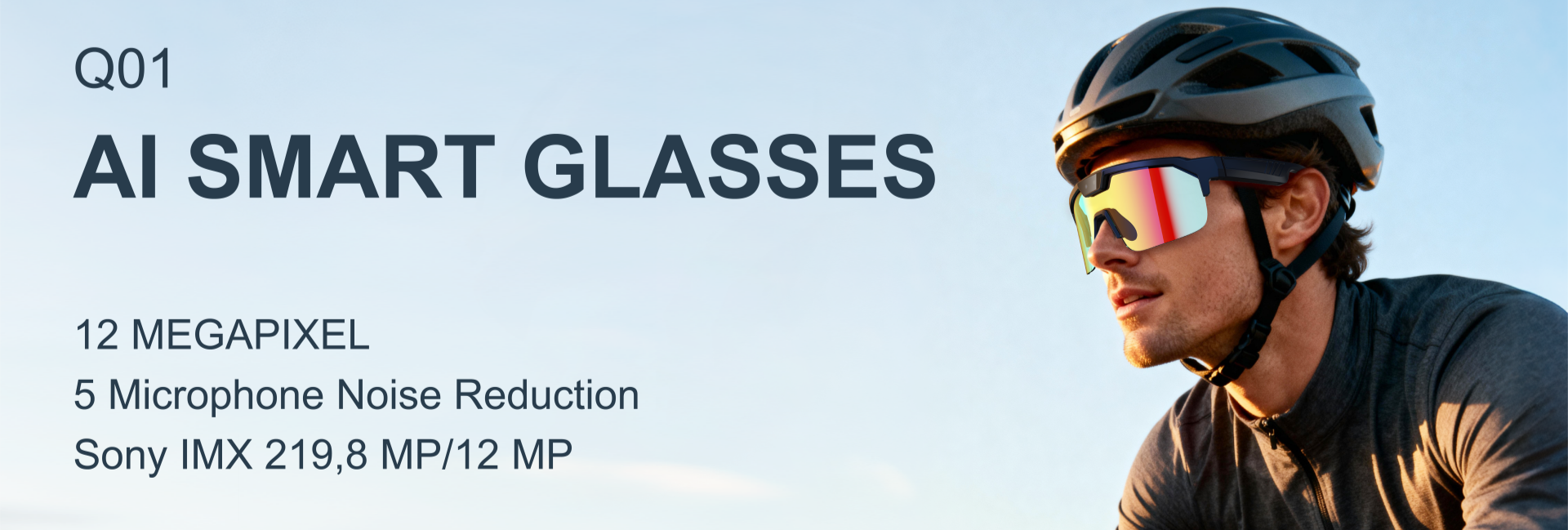
Camera eyewear with voice AI assistant, WiFi transfer and image translation — engineered for resale-ready branding.
ChatGPT-class voice assistant, 40+ language translation and hands-free capture in one lightweight frame.
4K / 1080P capture, interchangeable sunglass lenses and a pocket charging case for all-day shooting.
Own-tooling platform with 8MP camera, anti-shake stabilisation and exclusive territory options for brands.
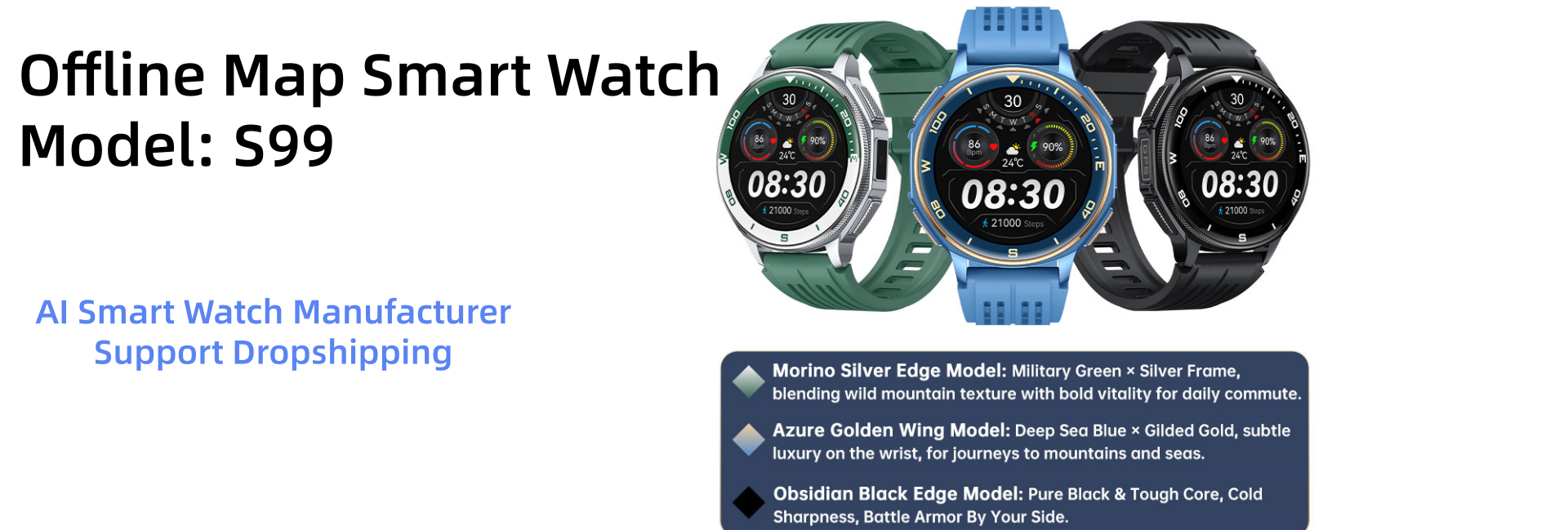
1.43" AMOLED, dual-frequency GPS, offline maps, 170 sport modes and stainless-steel build.
Choosing 4K Camera Sunglasses is not just a search for the sharpest number on a product page. Resolution matters, but so do stabilization, battery life, storage, lens comfort, and how easily the controls work outdoors. A crisp sample clip can still look shaky after a walk. Small details matter.
This guide explains the features worth checking before you buy. It compares image quality claims with practical questions: Does the camera handle bright skies and shaded streets? Can you transfer files without a confusing app setup? Are replacement lenses or clear specifications available? Product descriptions vary, so check the manufacturer’s documentation and independent footage where possible. A 4K label alone does not guarantee clear results.
Comfort deserves equal attention. Frames that feel fine for five minutes may press against your temples during a longer outing. Battery estimates can also change with recording settings, temperature, and use. That part is easy to overlook. Consider where you will record, how long you need the glasses to run, and whether their design suits your everyday routine. Check the product’s privacy features and follow applicable local rules when recording others. This is not a glamorous checklist, but it can prevent a poor fit or an expensive mismatch. Even careful research has limits; real-world performance depends on the wearer and conditions. The sections ahead offer a practical way to compare options without treating headline specifications as the whole story.
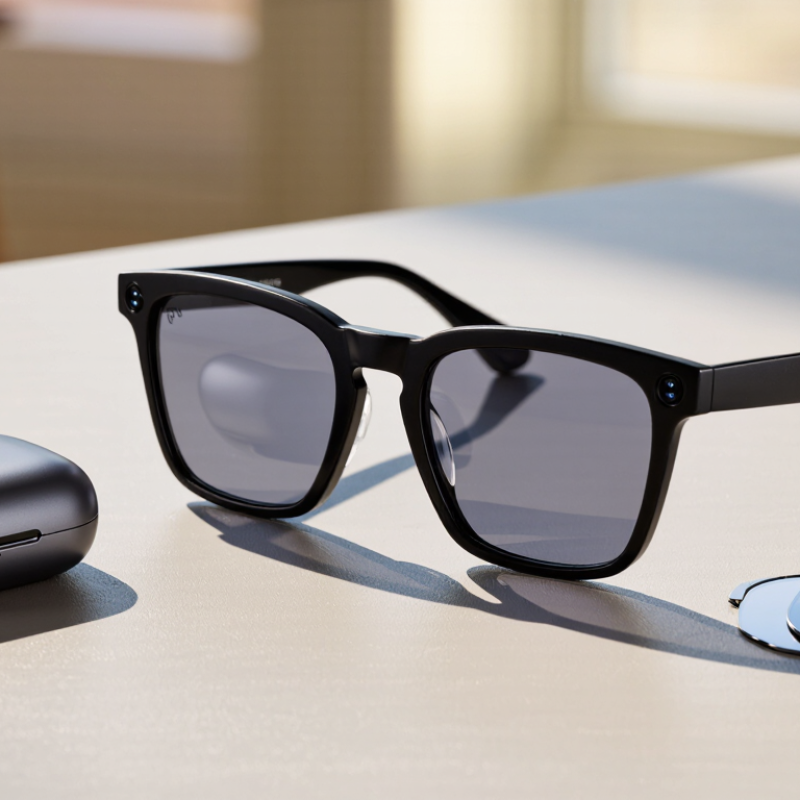
4K camera sunglasses are eyewear with a miniature camera built into the frame. A tiny lens captures light, while an image sensor turns it into digital video. An onboard processor compresses the footage and saves it to internal storage or a memory card, depending on the design. Some models also include a microphone. That sounds simple. The components must fit around the temples without making the frames awkward or heavy.
“4K” usually means video around 3,840 by 2,160 pixels. More pixels can reveal fine details, but they do not guarantee sharp footage. Lens quality, sensor size, lighting, and movement all matter. In practice, walking footage may look shaky, and dim rooms can appear grainy. Stabilization can help, though it cannot fix every bump. One detail is easy to miss: 4K files take up substantial storage and can drain a small battery quickly. Recording time may also be limited by heat inside the compact frame. I would check sample footage in daylight and shade before judging image quality. It is a little inconvenient, but product specifications alone rarely show how the glasses perform on a real walk.
ITU-R Recommendation BT.2020 defines 4K UHD as 3,840 × 2,160 pixels. That is frame size, not guaranteed detail. A tiny lens, soft focus, or heavy compression can make footage look less sharp. Check the sensor, lens, and recorded sample—not just the product label. Pixels are only part.
Frame rate and bitrate affect motion and detail. At 30 frames per second, walking footage may look different from 60 fps, which captures smoother motion but uses more storage. For models with removable cards, the SD Association’s V30 rating specifies a minimum sustained write speed of 30 MB/s. Also check recording limits, battery life, and heat management. Heat matters. A 4K label alone can still mislead; compare sample clips in daylight and indoors.
Tips: Record a short test while walking, then inspect faces, signs, and moving edges on a larger screen. Check whether audio stays clear outdoors. Ask how long the glasses can record continuously; published maximums may not match everyday use.
A 4K label tells only part of the story. Compare frame rate, lens field of view, and stabilization, because each affects usable footage. A wide lens captures more of a room, but may bend straight edges near the corners. Inspect sample clips on a larger screen, not only a phone. Fine text, moving faces, and dim indoor scenes can reveal compression or shaky footage quickly. Small details matter.
Battery claims are hard to compare unless recording settings match. Continuous 4K capture usually uses more power than standby, and wireless features can drain it further. Look for runtime figures tied to a stated resolution and frame rate. If possible, test a full recording session; a short shop demonstration proves little. Heat can also interrupt recording, especially in a warm car or under direct sun. That trade-off is real.
Check how storage works before buying. Confirm the supported card type and capacity, then estimate file sizes from sample clips; high-resolution video fills space quickly. Connectivity should fit your routine: Wi-Fi may help transfer clips, while Bluetooth can handle simpler controls. Test pairing and transfer speed, since a connection that drops during a large upload becomes frustrating. I would not assume the advertised maximum storage means every card will work equally well. Read the device’s specifications carefully.
A 4K label does not guarantee useful footage if the glasses slide down your nose. Check the bridge fit, temple pressure, and weight during a longer try-on. Small shifts matter. They can tilt the camera toward the pavement or a bright window. If you wear prescription lenses, confirm compatibility before buying. One detail is easy to overlook: a snug frame may feel tiring after an hour.
Durability depends on more than a sturdy-looking frame. Inspect the hinges, charging contacts, and lens coating, and check the maker’s water-resistance guidance. Sweat and a sudden drizzle are different tests from swimming. Not always obvious. Ask how replacement parts and repairs work, since a tiny broken hinge can sideline the whole device. Also compare battery life while recording, not just standby time.
Privacy deserves equal attention to image quality. Learn how recording is signaled, where files are stored, and how deletion works. Avoid filming people in sensitive settings, and ask permission when practical. Rules for recording vary by location and situation; check current local requirements before use, including rules for private venues. A public sidewalk is not a universal permission slip. I would treat discreet recording claims cautiously: convenience can make bystanders uneasy, even when recording is allowed.
Resolution is only one part of the decision. 4K UHD (3840 × 2160) contains about four times as many pixels as Full HD (1920 × 1080). Before buying, check that the frame fits securely and comfortably, review its materials and water-resistance details, and consider how recording is signaled and controlled. Privacy requirements and recording laws vary by location, so check local rules before use.
Choosing the best 4K camera sunglasses starts with how you plan to use them. For walking, prioritize a stable image and a wide, natural-looking view. For cycling or travel, check wind noise, microphone placement, and controls you can use without looking. Fit matters. Frames that slip can ruin footage and become uncomfortable during a long outing.
Check whether 4K means native 3840 × 2160 capture, and note the frame rate. The ITU-R BT.2020 specification defines 3840 × 2160 as an ultra-high-definition format, but resolution alone cannot promise sharp footage. Small sensors, dim rooms, and fast movement can still produce soft or noisy video. Ask for sample clips in daylight and indoors. Specs can mislead.
Storage and battery life deserve equal attention. The SD Association’s speed-class specifications define V30 cards as supporting a minimum sustained write speed of 30 MB/s; confirm your device’s stated requirements before buying. One easy-to-miss detail: a frame may feel fine in a shop, then press behind the ears after an hour. Check weight, nose-pad comfort, recording time per charge, and file-transfer steps. No single spec settles it. Choose the trade-offs that fit your routine, and be willing to reconsider if the sample footage looks worse than expected.
No. Check frame rate, lens view, and stabilization. Review clips on a larger screen for fine text, moving faces, and dim rooms.
Compare runtime at the same resolution and frame rate. Continuous recording uses more power than standby, and wireless features can drain it further. A short test proves little.
Check supported card types and capacities. Estimate file sizes from sample clips; high-resolution video fills space quickly. Not every card works equally well.
Try pairing and transferring a large clip. Wi-Fi may help with transfers, while Bluetooth can handle simpler controls. Dropped connections get frustrating.
Check the bridge, temple pressure, and weight during a longer try-on. Small shifts matter. The camera may tilt toward the pavement or a bright window.
Check hinges, charging contacts, lens coating, and water-resistance guidance. Sweat and drizzle are different from swimming. Ask how repairs and replacement parts work.
Learn how recording is signaled, where files are stored, and how deletion works. Avoid sensitive settings, and ask permission when practical. People may still feel uneasy.
No. Rules depend on location and situation, including private venues. Check current local requirements before use. A public sidewalk is not automatic permission.
This guide explains what 4K Camera Sunglasses are and how their miniature cameras capture and store video. It outlines the factors that shape recording quality, including resolution, frame rate, stabilization, lighting performance, and audio. It also shows how to compare camera capabilities with battery life, storage capacity, and connection options so you can understand the practical trade-offs between models.
Comfort and reliability matter as much as specifications. Consider fit, materials, weather resistance, and ease of use, along with privacy-conscious recording and awareness of local rules. By matching these features to your intended activities, budget, and preferred recording habits, you can choose 4K Camera Sunglasses that suit your needs without overlooking everyday usability.